The Ultimate Watch Collecting Guide: What Beginners Must Know Before Buying
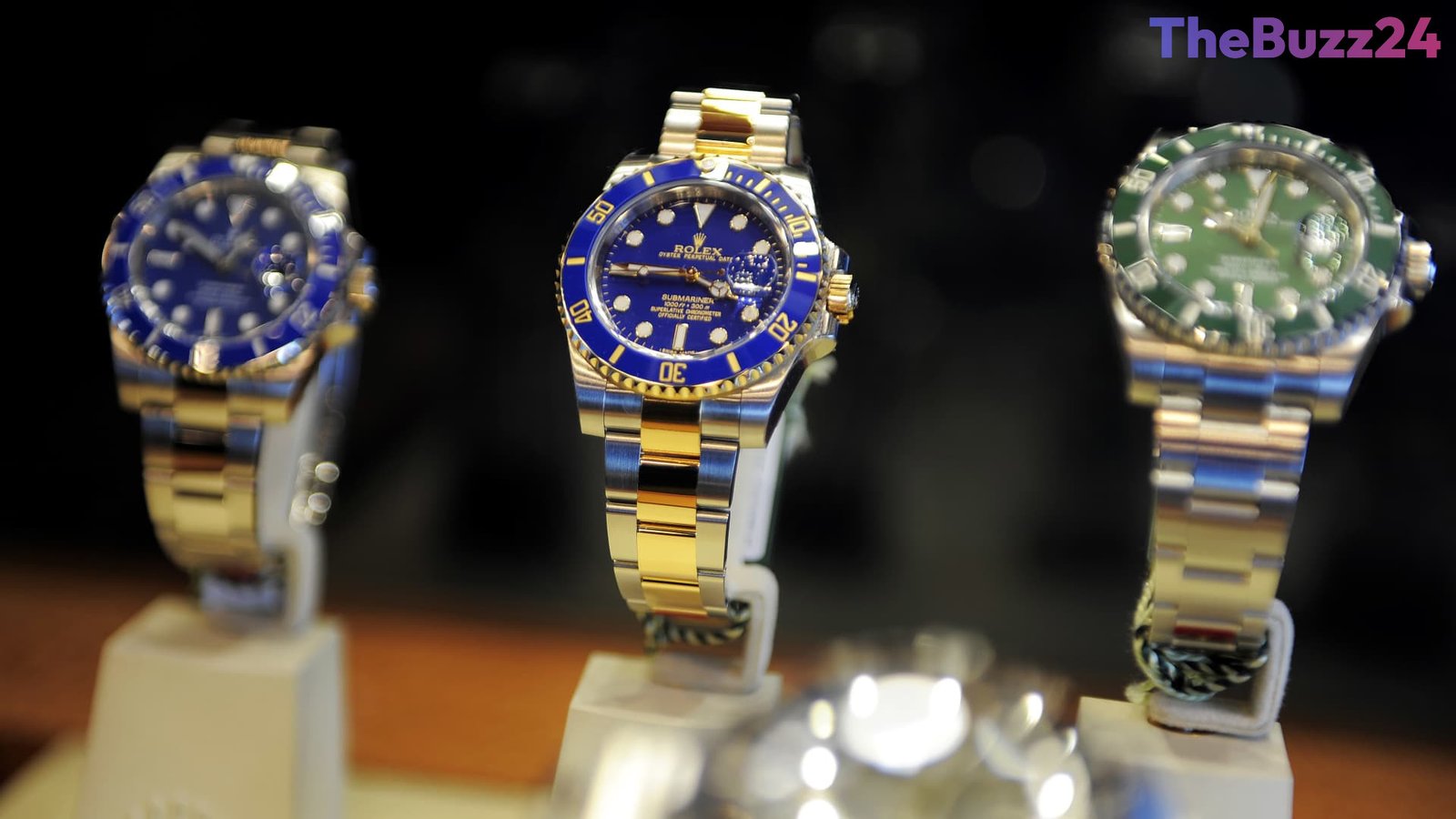
Entering the world of luxury watch collecting can be an exciting journey, but newcomers should approach the hobby with realistic expectations. Industry experts emphasize that the vast majority of timepieces depreciate in value over time. While certain iconic models from prestigious makers like Rolex, Patek Philippe, and Audemars Piguet can command impressive resale figures, identifying these rare winners requires deep market knowledge, patience, and impeccable timing. Consequently, novices are strongly advised to build their collections primarily for personal enjoyment, aesthetic appreciation, and mechanical fascination rather than banking on guaranteed financial windfalls.
Navigating the secondary market introduces another layer of complexity, requiring buyers to exercise rigorous due diligence. Purchasing pre-owned watches demands a careful examination of the item’s overall condition, originality, comprehensive service history, and supporting documentation. Unlike buying brand new items directly from an authorized boutique, the secondhand market hides potential pitfalls, ranging from replaced components and over-polished cases to sophisticated counterfeit models. Furthermore, mechanical timepieces require regular maintenance every seven to ten years to ensure optimal performance, adding ongoing ownership costs that collectors must factor into their budgets.
Despite the proliferation of smartphones and wearable fitness tech, the global luxury watch industry continues to thrive as a multibillion-dollar market. For those stepping into the hobby for the first time, starting small with reputable entry-level brands such as Seiko, Hamilton, or Tissot offers a safer and more affordable learning curve. Ultimately, successful collecting hinges on buying from trusted sources, prioritizing authenticity over perceived bargains, and remembering that true horological passion should always outweigh speculative investment strategies.
Key Takeaways
- Most luxury watches depreciate over time, making personal enjoyment a better motivation than financial investment.
- Purchasing pre-owned timepieces requires careful checks for authenticity, original parts, and comprehensive service histories.
- Mechanical watches demand periodic maintenance every few years, which can introduce unexpected service costs.
Editor’s Analysis & Impact
The luxury watch secondary market has experienced significant maturation over the past decade, shifting from a niche hobby into a recognized alternative asset class. While pandemic-era booms created unrealistic expectations of hyper-appreciation, current market corrections have normalized pricing. This trend underscores a return to fundamentals: horological appreciation, craftsmanship, and community-driven collecting. Moving forward, buyers are likely to become more discerning, placing higher premiums on verified provenance and original documentation. Industry players who prioritize transparency and authentication services will likely capture the bulk of consumer trust in an increasingly crowded online marketplace.
Frequently Asked Questions
Q: Do watches make good financial investments?
A: For the most part, no. The vast majority of watches depreciate in value the moment they are purchased. Only a tiny fraction of rare models appreciate significantly, and they are difficult to predict or acquire at retail price.
Q: How often do mechanical watches need to be serviced?
A: Mechanical watches typically require professional servicing every seven to 10 years to clean, lubricate, and repair internal gears and springs that wear down with regular use.
Q: What is a 'franken-watch'?
A: A franken-watch is a deceptive timepiece built using mixed components from different watches, often fraudulently marketed and sold to unsuspecting buyers as an entirely original piece.
AI Disclosure: This article is based on verified data and official reports. Our Team and AI have cross-referenced every financial detail with primary sources to ensure total accuracy.
More from this Category