The AI Wearable Dilemma: Privacy Backlash and Market Uncertainty Stall Industry Growth
The burgeoning market for artificial intelligence-powered wearables is facing a significant reality check as tech giants and startups alike grapple with public skepticism, privacy concerns, and shifting investor sentiment. While companies like Apple, Google, and Meta continue to push the boundaries of hardware—ranging from smart rings and pendants to camera-equipped glasses—the industry is struggling to prove that these devices offer enough utility to justify their intrusive nature.
Recent market signals highlight this instability, most notably with the smart ring manufacturer Oura abruptly postponing its highly anticipated initial public offering. While the company cited general market uncertainty, industry observers are questioning whether deeper issues regarding product adoption or brand reputation may be at play. This hesitation comes at a time when the broader wearable sector is under intense scrutiny, with many consumers expressing discomfort over the ‘always-on’ nature of recording devices and AI-driven personal assistants.
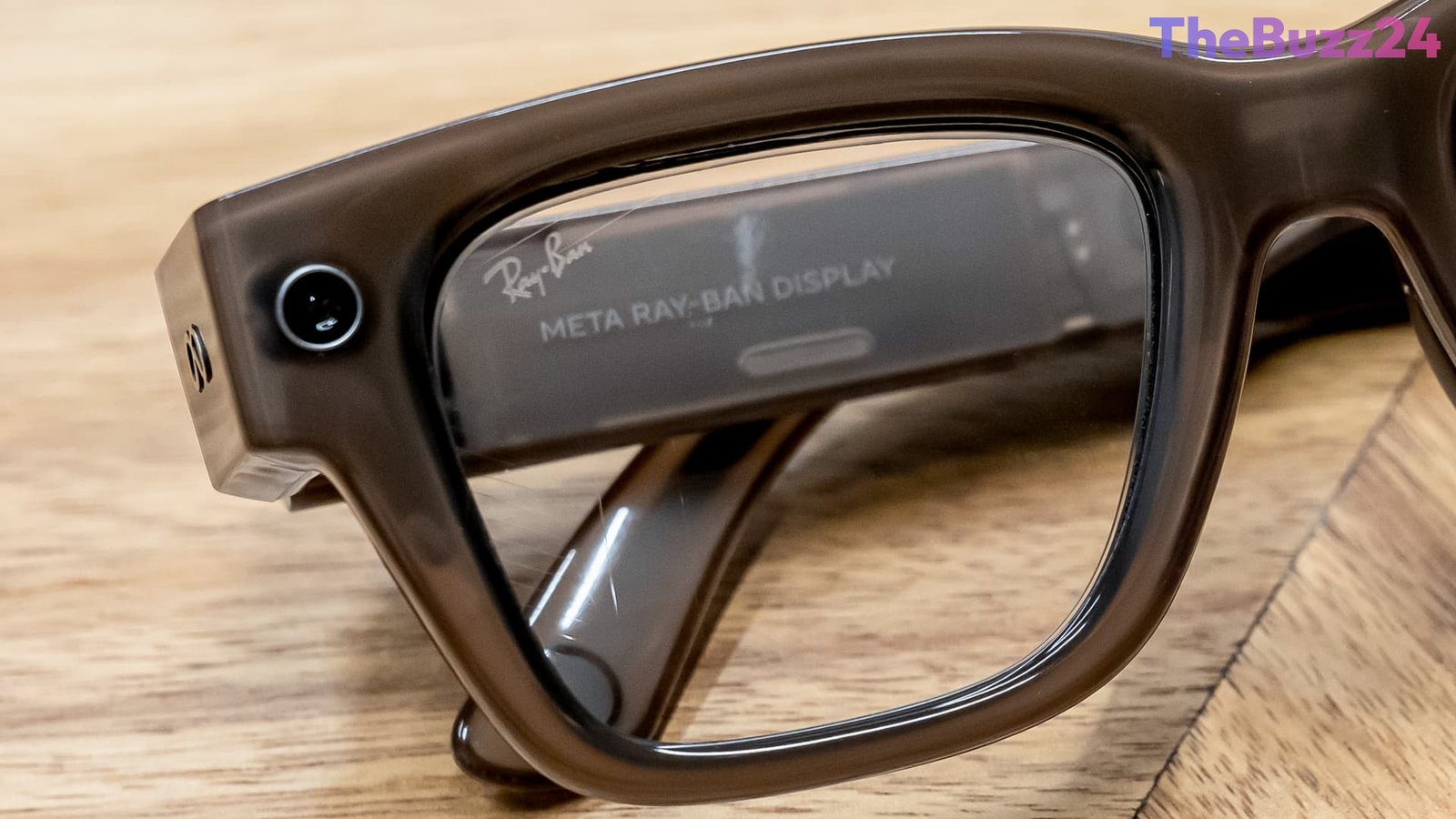
Public perception has become a major hurdle for companies like Meta, whose smart glasses have faced significant social stigma. Reports of unauthorized recording and harassment have led to the devices being labeled as invasive, prompting some users to reject the technology entirely. Even as manufacturers attempt to pivot toward camera-free alternatives or emphasize health-tracking features, the fundamental challenge remains: convincing the public that the convenience of AI wearables outweighs the potential loss of privacy and the social friction they create.
Ultimately, the industry is at a crossroads. While health-focused wearables have found a stable niche, more experimental devices—such as AI pins and pendants—have struggled to demonstrate a clear advantage over the modern smartphone. As policymakers and the public continue to debate the ethics of surveillance and data collection, the success of the next generation of wearables will depend less on flashy hardware and more on the ability of developers to build trust and deliver genuinely indispensable utility.
Key Takeaways
- Oura's decision to delay its IPO has sparked industry debate regarding the long-term viability and market readiness of AI-focused wearable companies.
- Privacy concerns, particularly regarding camera-equipped smart glasses, have created a significant social stigma that is hindering mass adoption.
- The wearable market is currently divided between successful health-tracking devices and experimental AI gadgets that have yet to prove they offer more value than a standard smartphone.
Editor’s Analysis & Impact
The AI wearable sector is currently experiencing a ‘trough of disillusionment.’ While the initial hype cycle drove significant investment into hardware like smart pins and glasses, the lack of a ‘killer app’ that differentiates these devices from the smartphone has left consumers cold. The market is currently bifurcated: health-centric wearables (like those from Apple or Oura) are thriving because they provide clear, quantifiable value, whereas social-facing AI wearables are struggling against a growing ‘surveillance state’ narrative. For the industry to mature, companies must pivot away from intrusive form factors and focus on seamless, privacy-first integration. If they fail to address the social backlash, these devices risk being relegated to niche status for the next decade, much like early iterations of smart eyewear.
Frequently Asked Questions
Q: Why are consumers hesitant to adopt AI smart glasses?
A: Many consumers are concerned about privacy, specifically regarding the ability of these devices to record video or audio in public spaces without the explicit consent of those around them.
Q: What is the main challenge facing new AI wearable hardware?
A: The primary challenge is proving that the device offers a unique, 'magical' utility that cannot already be performed more efficiently by a smartphone.
AI Disclosure: This article is based on verified data and official reports. Our Team and AI have cross-referenced every financial detail with primary sources to ensure total accuracy.
More from this Category