Global Oil Reserves May Require Up to Two Years to Recover Amid Ongoing Middle East Conflict
Rebuilding worldwide petroleum inventories could stretch across a two-year timeline, driven by persistent supply constraints tied to the ongoing geopolitical conflict involving the United States and Iran. Speaking at a prominent energy gathering in London, Saudi Aramco CEO Amin Nasser cautioned that downward pressure on energy supplies will likely persist until critical maritime corridors fully resume normal operations and market stability is restored.
The military hostilities have heavily impacted transit through the Strait of Hormuz, a crucial shipping lane responsible for roughly 20 percent of global petroleum and liquefied natural gas shipments. Industry leadership emphasized that even when the waterway reopens completely, balancing daily demand while simultaneously restocking depleted reserves will remain an uphill battle for the global energy sector.
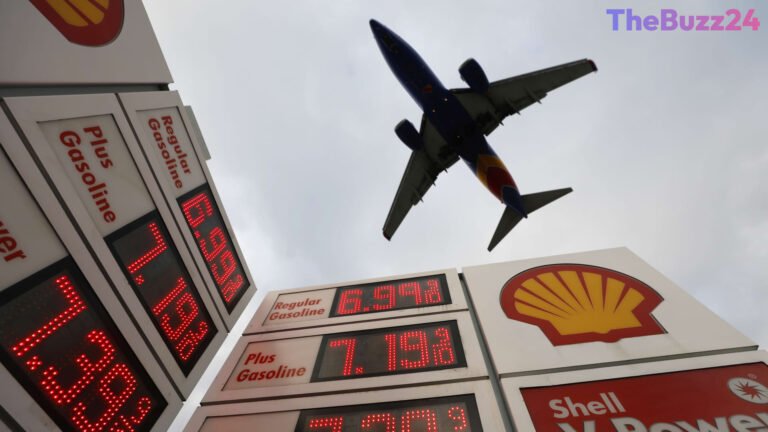
Since the outbreak of hostilities in late February, nearly 3 billion barrels of petroleum supply have vanished from the market, while approximately 1 billion barrels have been drained from existing reserves to cushion the shock. Major global economies recently moved to authorize the release of emergency diesel and crude stocks to stabilize pricing, though industry analysts warn that a significant portion of remaining global storage is practically inaccessible for daily commerce.
Meanwhile, maritime security incidents in the region continue to underline the fragility of supply routes. Commercial vessels navigating near key regional ports have faced direct warnings from military forces, prompting tankers to alter courses and maintain caution. Despite a slight recovery in crude flows through alternative infrastructure like Saudi Arabia’s East-West pipeline, benchmark energy futures continue to exhibit volatility as markets digest the long-term outlook for global supply chains.
Key Takeaways
- Restoring global oil inventories to pre-crisis levels could take up to two years, according to industry leadership.
- The ongoing U.S.-Iran conflict has resulted in a loss of nearly 3 billion barrels of oil supply.
- Critical shipping routes like the Strait of Hormuz remain vulnerable, causing continued volatility in international crude prices.
Editor’s Analysis & Impact
The prolonged disruption in the Strait of Hormuz highlights the extreme vulnerability of global energy supply chains to geopolitical flashpoints. With billions of barrels lost and emergency reserves being tapped by G7 nations, the energy sector faces a multi-year recovery horizon even under the most optimistic scenarios of geopolitical de-escalation. For markets and industries, this translates to sustained higher input costs, inflationary pressures on manufactured goods and transportation, and an accelerated push toward energy diversification and domestic security. In the long term, this crisis may permanently alter how multinational corporations manage strategic inventory buffers, reducing reliance on just-in-time logistics for critical commodities like oil and gas.
Frequently Asked Questions
Q: Why is the Strait of Hormuz so important to the global oil market?
A: The Strait of Hormuz is a narrow waterway that handles approximately 20% of the world's petroleum and liquefied natural gas supplies, making it a critical choke point for international energy trade.
Q: How much oil has been lost since the conflict began?
A: Industry reports indicate that nearly 3 billion barrels of oil supply have been lost since the conflict started in late February, with an additional 1 billion barrels drawn from existing stocks.
Q: What measures have governments taken to counter the supply shortage?
A: G7 governments agreed to release 100 million barrels of diesel and crude from emergency reserves to help stabilize prices and mitigate the immediate impact of the supply squeeze.
AI Disclosure: This article is based on verified data and official reports. Our Team and AI have cross-referenced every financial detail with primary sources to ensure total accuracy.
More from this Category