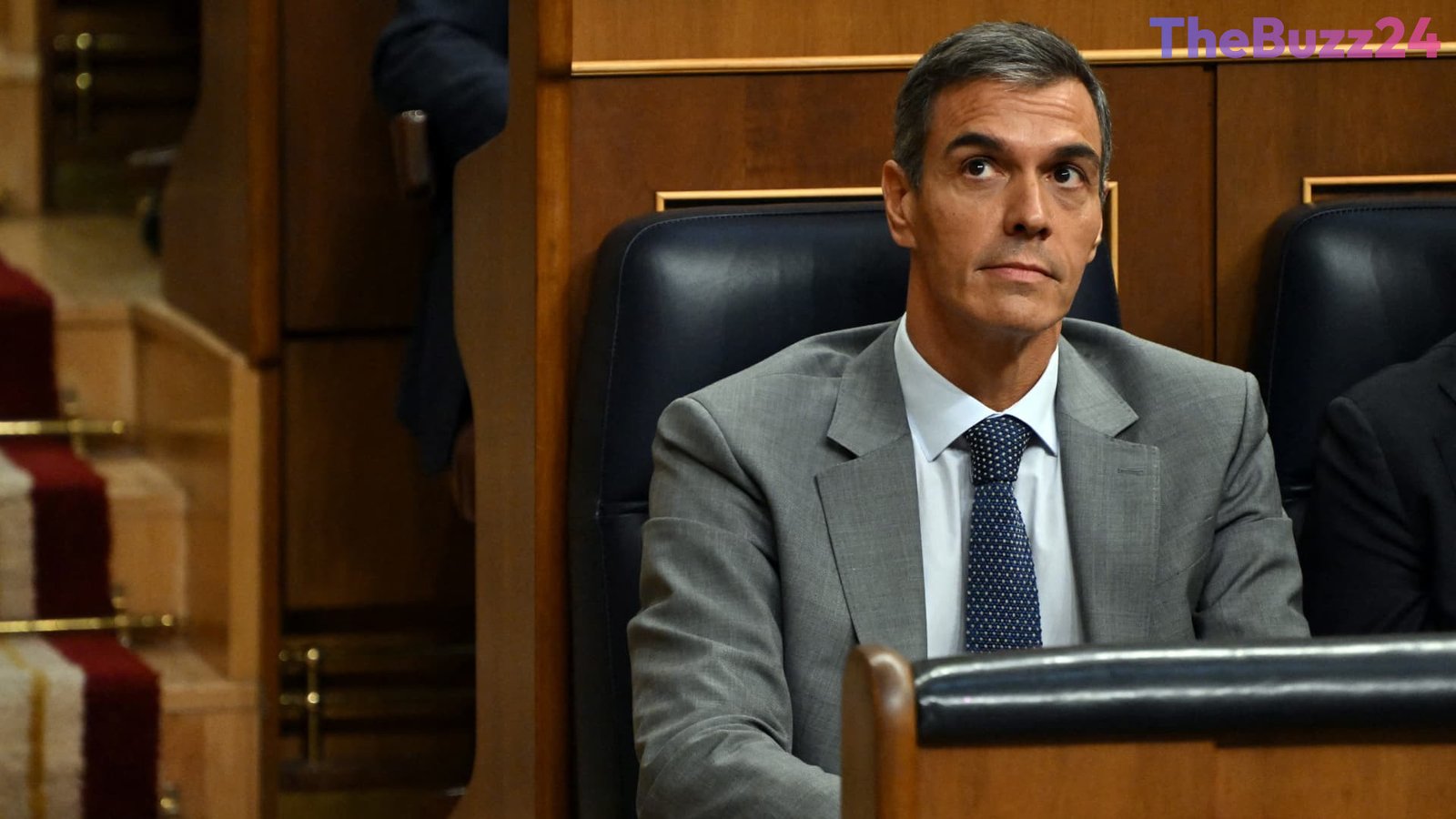
Spain’s Sánchez Calls Snap Election Amid Housing Crisis and Political Turmoil
Spanish Prime Minister Pedro Sánchez has announced a snap general election for November 29, following a significant parliamentary setback. The decision comes after his government’s crucial property sector reforms, designed to address widespread public anger over housing, were rejected by lawmakers. This move is seen by some analysts as a strategic gamble to mobilize his political base amidst growing domestic discontent.
The immediate catalyst for the election is the escalating housing crisis, characterized by unaffordable rents and a severe shortage of housing stock, particularly in popular tourist destinations. Recent weeks have seen tens of thousands take to the streets in protest, culminating in widespread calls for action after the highly publicized eviction of an 87-year-old disabled woman. Beyond housing, public debate is increasingly dominated by concerns over wages, the rising cost of living, and immigration, with the government still grappling with the influx of migrants into the North African enclave of Ceuta. This widespread dissatisfaction persists despite Spain’s economy demonstrating a robust recovery post-pandemic, consistently outpacing the euro area average.
Sánchez, leader of the Spanish Socialist Workers’ Party, has led a fragile left-wing coalition since November 2023, which has struggled to pass key reforms due to parliamentary deadlock. His administration has also faced scrutiny from corruption investigations involving party allies. Despite these challenges, the Prime Minister is known for his political resilience and ability to rally voters. However, current polling suggests a potential shift towards a right-wing coalition, with the People’s Party and the far-right Vox party possibly securing a parliamentary majority. This scenario presents both an opportunity for Sánchez to galvanize the center-left electorate around a core social issue and a significant risk given his government’s long tenure.
A change in government could have notable implications for Spain’s international standing and economic policies. A right-of-center administration might re-evaluate Spain’s commitments to NATO spending and its trade relations with the United States. Furthermore, it could signal a shift in the European Union’s approach to China, potentially moving away from the current administration’s push for a less confrontational stance. Sánchez himself has been a vocal critic of certain U.S. foreign policies, notably clashing with former President Donald Trump over issues like the Iran conflict and NATO contributions, and taking a strong stance on the conflict in Gaza.
Key Takeaways
- Spanish Prime Minister Pedro Sánchez called a snap election for November 29 after his housing reform bills were rejected, aiming to capitalize on public discontent over the cost of living.
- The election is primarily driven by significant domestic issues like the housing crisis, unaffordable rents, and immigration, despite Spain's strong post-pandemic economic recovery.
- Polling suggests a potential shift to a right-wing coalition, which could alter Spain's foreign policy stance on NATO spending and its trade relations with the U.S. and China.
Editor’s Analysis & Impact
The snap election in Spain introduces a period of heightened political and economic uncertainty. For investors, this means potential volatility as the market awaits clarity on future government policies, particularly concerning fiscal spending, housing regulations, and international trade stances. A shift to a right-wing government could signal more market-friendly reforms but might also face social resistance if core issues like housing affordability are not adequately addressed. Broader implications extend to the European Union, where a change in Spain’s leadership could alter the bloc’s collective approach to critical geopolitical challenges, including its relationship with China and its unified front on global security. This election underscores a wider European trend where domestic economic grievances are increasingly shaping national political landscapes.
Frequently Asked Questions
Q: Why did Prime Minister Sánchez call a snap election?
A: Prime Minister Pedro Sánchez called a snap election after his proposed housing reforms, aimed at addressing the country's severe housing crisis and public discontent, were rejected by parliament. He may be attempting to rally left-wing voters around this key issue.
Q: What are the main issues driving the Spanish election?
A: The election is primarily driven by domestic concerns such as the escalating housing crisis, unaffordable rents, the rising cost of living, and immigration. These issues have fueled widespread public protests across the political spectrum.
Q: How might the election outcome affect Spain's international relations?
A: A potential shift to a right-wing government could lead to changes in Spain's foreign policy, particularly concerning its contributions to NATO and its trade and diplomatic relations with the United States and China. This could also influence the European Union's broader geopolitical strategies.
AI Disclosure: This article is based on verified data and official reports. Our Team and AI have cross-referenced every financial detail with primary sources to ensure total accuracy.
More from this Category