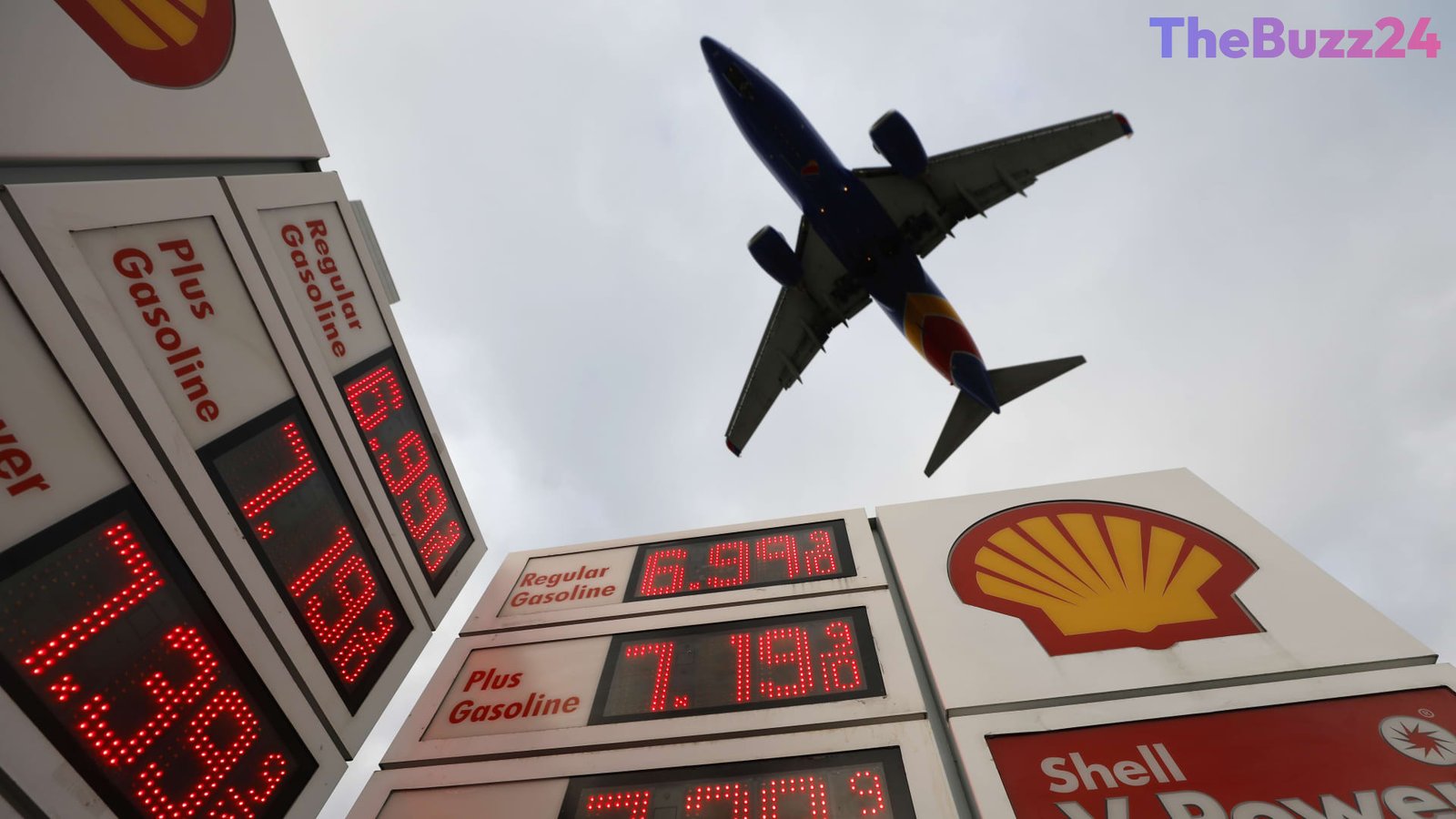
Sky-High Fares: Why Travelers Are Paying More While Airline Profits Remain Grounded
Travelers across the United States are facing significantly higher airfares, with prices surging by 23.4% in August compared to the previous year. Holiday travel, particularly for Thanksgiving and Christmas, is also seeing sharp increases, with domestic round-trip tickets for Thanksgiving up 31% and Christmas fares up 23% from last year.
This upward trend in ticket prices is largely driven by elevated and volatile jet fuel costs, which represent airlines’ second-largest expense after labor. Geopolitical events, such as the conflict in Iran and disruptions in the Strait of Hormuz, have contributed to multi-year highs for fuel prices. Airlines are actively passing these increased operational costs onto consumers through higher fares, fuel surcharges, and increased baggage fees. Despite these price hikes, travel demand remains remarkably resilient, with many customers booking essential holiday trips earlier than usual, even if they dislike the fare.
While airlines are reporting double-digit revenue growth for the third quarter, fueled by increased spending per customer, these gains are being significantly eroded by the soaring cost of jet fuel. Executives, including Qantas Airways CEO Vanessa Hudson and American Airlines CEO Robert Isom, acknowledge the strong demand environment but also the challenges posed by fuel expenses. Consequently, Wall Street analysts and carriers themselves are cutting or reassessing profit expectations, with some, like American Airlines, forecasting losses for the quarter.
Looking ahead, the industry faces continued uncertainty. Analysts anticipate that airlines will likely lower their earnings outlooks for the fourth quarter and beyond. If jet fuel prices remain high, carriers may opt to further rationalize capacity by cutting unprofitable routes or reducing flight frequencies. This strategic reduction in available seats, coupled with the recent collapse of budget carrier Spirit Airlines which removed 1-2% of U.S. market capacity, could further empower airlines to maintain or even increase fares, despite the pressure on their bottom lines. Investors will be closely monitoring capacity growth decisions as a key indicator of future profitability.
Key Takeaways
- U.S. airfares have significantly increased, especially for holiday travel, due to elevated jet fuel costs and constrained airline capacity.
- Despite rising revenues from higher ticket prices, airlines are struggling to maintain profitability as increased fuel expenses offset gains, leading to revised profit forecasts.
- Travel demand remains resilient even with higher fares, but airlines may further cut capacity if fuel costs persist, potentially driving future ticket prices even higher.
Editor’s Analysis & Impact
The current landscape for the airline industry presents a paradox: robust consumer demand and rising revenues are being overshadowed by escalating operational costs, primarily jet fuel. This dynamic is forcing airlines to walk a tightrope, leveraging pricing power while simultaneously managing profitability expectations. The industry’s shift towards premium seating and strategic capacity management reflects an effort to maximize revenue per passenger in a high-cost environment. Looking forward, sustained high fuel prices could lead to further consolidation or more aggressive capacity cuts, potentially making air travel even more expensive for consumers. The broader implications extend to the tourism sector and overall consumer spending, highlighting the travel industry’s vulnerability to global energy markets and geopolitical stability.
Frequently Asked Questions
Q: Why are airfares so high right now?
A: Airfares are elevated primarily due to persistently high and volatile jet fuel costs, which are airlines' second-largest expense, and constrained airline capacity. Geopolitical events have contributed to fuel price instability.
Q: Are airlines making more profit despite higher ticket prices?
A: While airlines are seeing increased revenue from higher ticket sales, their profit margins are being squeezed. The significant rise in jet fuel expenses is largely offsetting these revenue gains, leading many carriers and analysts to cut or reassess profit expectations.
Q: Will airfares decrease anytime soon?
A: Airline executives do not anticipate significant relief in fuel costs or a drop in travel demand in the near future. If jet fuel prices remain high, airlines may further reduce flight capacity, which could keep fares elevated or even push them higher due to fewer available seats.
AI Disclosure: This article is based on verified data and official reports. Our Team and AI have cross-referenced every financial detail with primary sources to ensure total accuracy.
More from this Category