Skydance Seals $110 Billion Warner Bros. Discovery Acquisition After Year-Long Battle
The media landscape is set for a seismic shift as Skydance, led by David Ellison, officially closes its monumental $110 billion acquisition of Warner Bros. Discovery (WBD) on Tuesday. This landmark deal, culminating over a year of intense negotiations, competing bids, and legal challenges, will unite two of Hollywood’s most storied entertainment entities under a new banner.
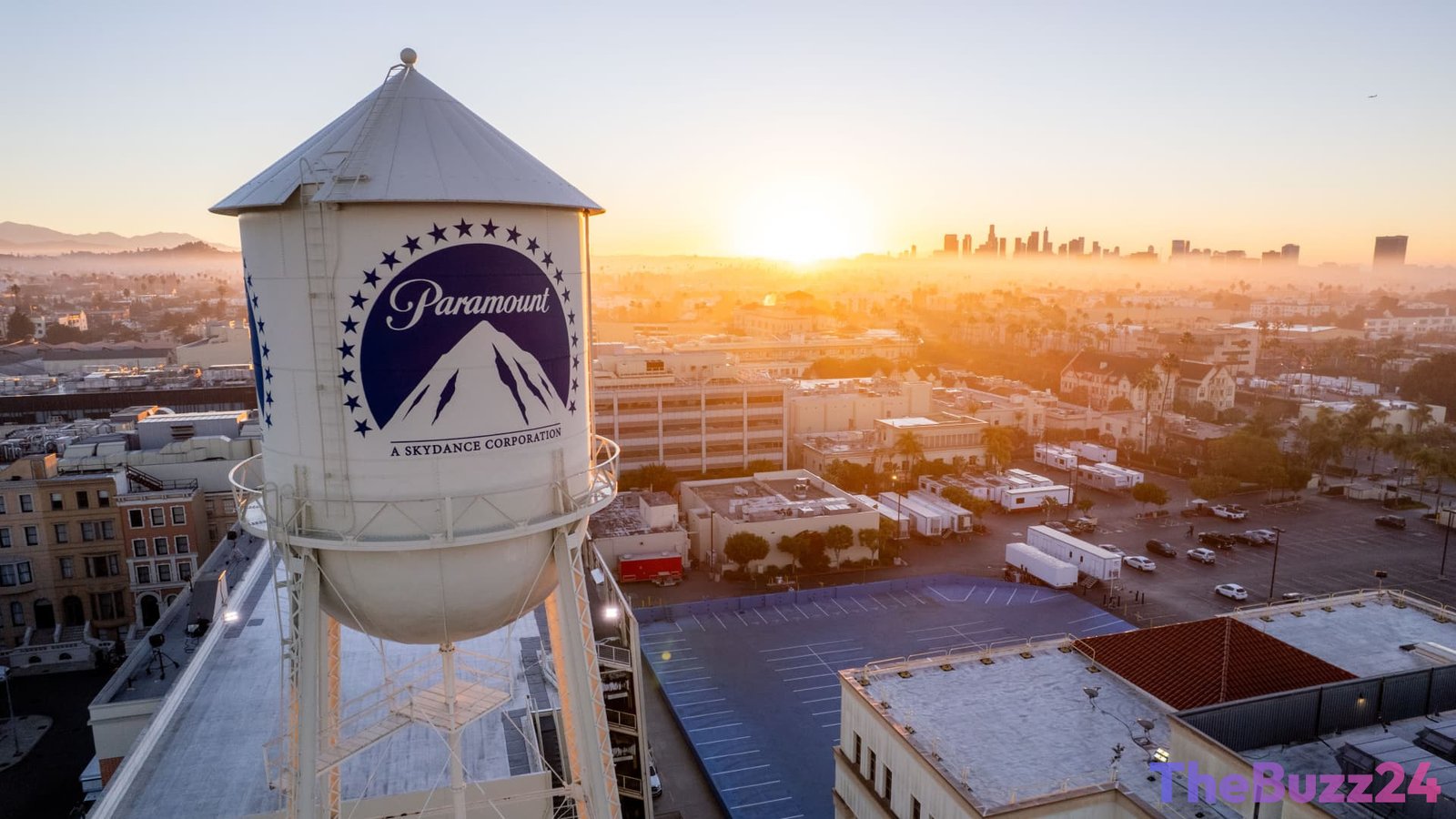
The newly formed conglomerate will operate as Skydance and will be publicly traded under the ticker symbol “SKYD.” The acquisition brings together WBD’s extensive portfolio, including its renowned film studio, a vast array of television networks, and the premium streaming service HBO Max, under Skydance’s control. This strategic move positions the combined entity as one of the largest media conglomerates in history, poised to influence a significant portion of the global entertainment market.
The path to this acquisition was fraught with obstacles. Skydance, founded by Ellison, the son of Oracle co-founder Larry Ellison, faced numerous rejections of its initial offers. The process was further complicated by a bidding war involving major players like Netflix and Comcast, as well as an antitrust lawsuit filed by state attorneys general concerned about market consolidation. Despite these challenges, including a temporary restraining order and regulatory scrutiny from both the Department of Justice and European Union antitrust regulators, Skydance persevered. Key concessions were made to secure global regulatory approval, including divesting certain European assets and agreeing to specific content release strategies.
With the final legal hurdles cleared and a settlement reached with state attorneys general, the merger is now complete. The leadership team for the new Skydance has been announced, with David Ellison and former Mattel CEO Ynon Kreiz set to co-lead the company. The integration is expected to redefine content creation and distribution strategies across film, television, and streaming platforms, marking a new era for the combined entity.
Key Takeaways
- Skydance has finalized its $110 billion acquisition of Warner Bros. Discovery, creating a new media giant named Skydance trading as 'SKYD'.
- The year-long acquisition process involved fending off competing bids from Netflix and Comcast, navigating an antitrust lawsuit, and securing regulatory approvals.
- David Ellison and Ynon Kreiz will co-lead the combined company, which aims to leverage the assets of both Warner Bros. Discovery and Skydance to define the future of entertainment.
Editor’s Analysis & Impact
The completion of the Skydance-Warner Bros. Discovery merger represents a significant consolidation within the media industry, creating a formidable competitor with vast intellectual property and distribution channels. The $110 billion price tag underscores the immense value placed on content and audience reach in the current market. The integration of these two powerhouses will likely lead to strategic realignments in content production, streaming offerings, and advertising models. Investors will be watching closely to see how Skydance leverages its expanded scale to navigate the evolving media landscape, particularly in the face of intense competition from tech giants and other established players. The future outlook hinges on effective synergy realization and the ability to innovate in a rapidly changing consumer entertainment environment.
Frequently Asked Questions
Q: What is the new name of the combined company?
A: The newly formed company will be named Skydance and will trade under the ticker symbol "SKYD".
Q: Who are the key leaders of the new Skydance entity?
A: David Ellison, founder of Skydance, and Ynon Kreiz, former CEO of Mattel, will serve as co-CEOs of the combined company.
Q: What were some of the major challenges in acquiring Warner Bros. Discovery?
A: The acquisition faced significant hurdles including competing bids from major companies like Netflix and Comcast, an antitrust lawsuit from state attorneys general, and the need to secure approval from various global regulatory bodies.
AI Disclosure: This article is based on verified data and official reports. Our Team and AI have cross-referenced every financial detail with primary sources to ensure total accuracy.
More from this Category