India-U.S. Trade Negotiations Stall Amid Deepening Disagreement on Imbalance
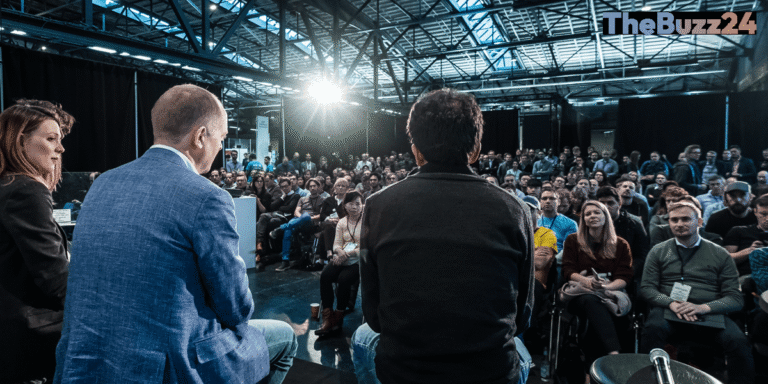
India’s Finance Minister Nirmala Sitharaman has indicated that trade negotiations with the United States have reached a significant impasse, casting further doubt on the prospect of a swift resolution to the long-standing discussions. Speaking at the Munich Leaders Meeting, Sitharaman acknowledged that both sides appear to have arrived at a “plateau,” making further concessions increasingly challenging. This statement marks the first official acknowledgment from India regarding the difficulties in finalizing a comprehensive trade agreement with Washington.
A central point of contention in the stalled talks revolves around the substantial trade imbalance, which currently favors New Delhi. The U.S. has consistently pressed for measures to reduce its deficit with India, a stance that Sitharaman has openly questioned as the sole determinant for the continuation of negotiations. This sentiment was echoed by U.S. Trade Representative Jamieson Greer last week, who stated that a trade agreement was not “imminent,” despite ongoing discussions. The U.S. aims to increase its exports to India, seeking to recover what it perceives as lost ground over recent years.
India, conversely, has been advocating for preferential tariffs from the U.S. to enhance the competitiveness of its exports in the American market. The current trade landscape sees Indian goods facing a 10% tariff in the U.S., a measure implemented following an investigation into forced labor practices in various countries. However, a significant portion of India’s key exports, such as generic pharmaceuticals and smartphones, reportedly remain exempt from this particular duty. Experts warn that a failure to finalize a deal could be detrimental to both nations, potentially leading to higher tariffs for Indian exports and continued market access challenges for U.S. goods.
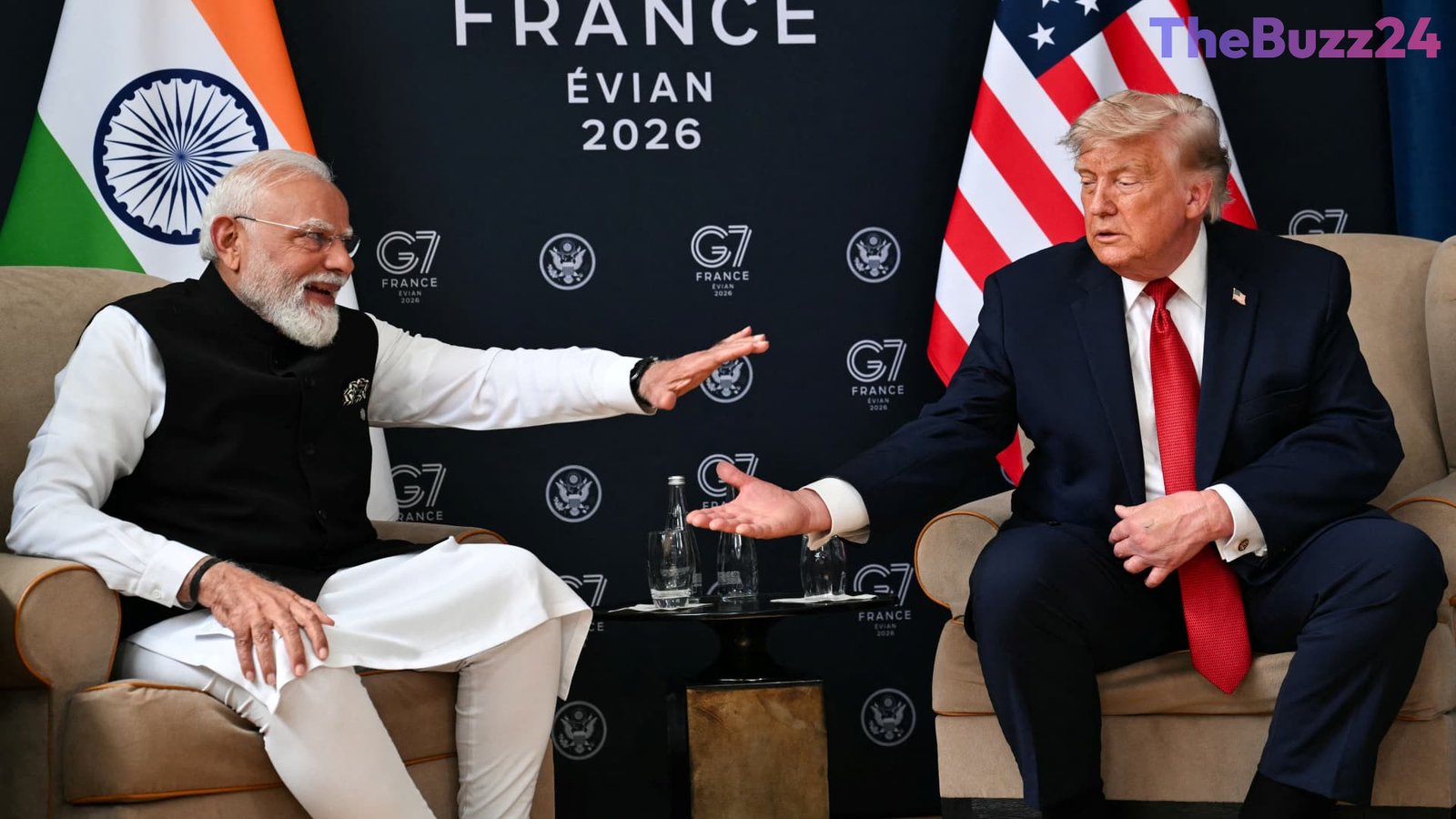
Recent high-level engagements, including a call between Indian Prime Minister Narendra Modi and U.S. President Donald Trump to review bilateral trade, defense, and technology, have yet to break the deadlock. While both leaders described the discussions as “constructive” and “productive,” the lack of a concrete breakthrough on trade underscores the deep-seated disagreements. The ongoing stalemate highlights the complex balancing act required to reconcile differing economic priorities and strategic objectives between two major global economies.
Key Takeaways
- India's Finance Minister Nirmala Sitharaman confirmed a significant slowdown in trade negotiations with the U.S., citing a 'plateau' in discussions.
- A primary sticking point is the U.S. demand to reduce its trade deficit with India, which New Delhi questions as the sole basis for continuing talks.
- Experts warn that both nations risk economic disadvantages, including higher tariffs for Indian exports and continued market access issues for U.S. goods, if a comprehensive trade agreement is not reached.
Editor’s Analysis & Impact
The prolonged stalemate in India-U.S. trade talks introduces significant uncertainty for businesses operating in both economies, particularly those involved in cross-border trade. Industries such as Indian generic pharmaceuticals and technology, which rely on U.S. market access, could face increased pressure if tariffs escalate or preferential treatment is not secured. For the U.S., continued barriers in the Indian market limit growth opportunities for its exports. The future outlook suggests that without a fundamental shift in negotiation priorities or a willingness for greater compromise, the impasse will likely persist. This situation could lead to a more protectionist stance from both sides, potentially impacting global supply chains and investment flows. Broader implications include a potential strain on the overall strategic partnership between India and the U.S., demonstrating the challenges of aligning economic interests even amidst shared geopolitical objectives.
Frequently Asked Questions
Q: What is the main reason for the stalled trade talks between India and the U.S.?
A: The primary sticking point is the U.S.'s insistence on reducing its trade deficit with India, which India's Finance Minister Nirmala Sitharaman has questioned as the sole criterion for negotiations.
Q: What are the potential consequences if a trade deal is not finalized?
A: Both countries stand to lose. Indian exports to the U.S. could face higher tariffs, making them less competitive, while U.S. exports would continue to face existing barriers in the Indian market.
Q: Have there been any recent high-level discussions on this issue?
A: Yes, Indian Prime Minister Narendra Modi and U.S. President Donald Trump recently discussed bilateral trade, defense, and technology. However, U.S. officials indicated a trade agreement was not 'imminent' despite these talks, underscoring the ongoing challenges.
AI Disclosure: This article is based on verified data and official reports. Our Team and AI have cross-referenced every financial detail with primary sources to ensure total accuracy.
More from this Category