Hong Kong Emerges as Primary Gateway for Russian Gold Amid Global Sanctions
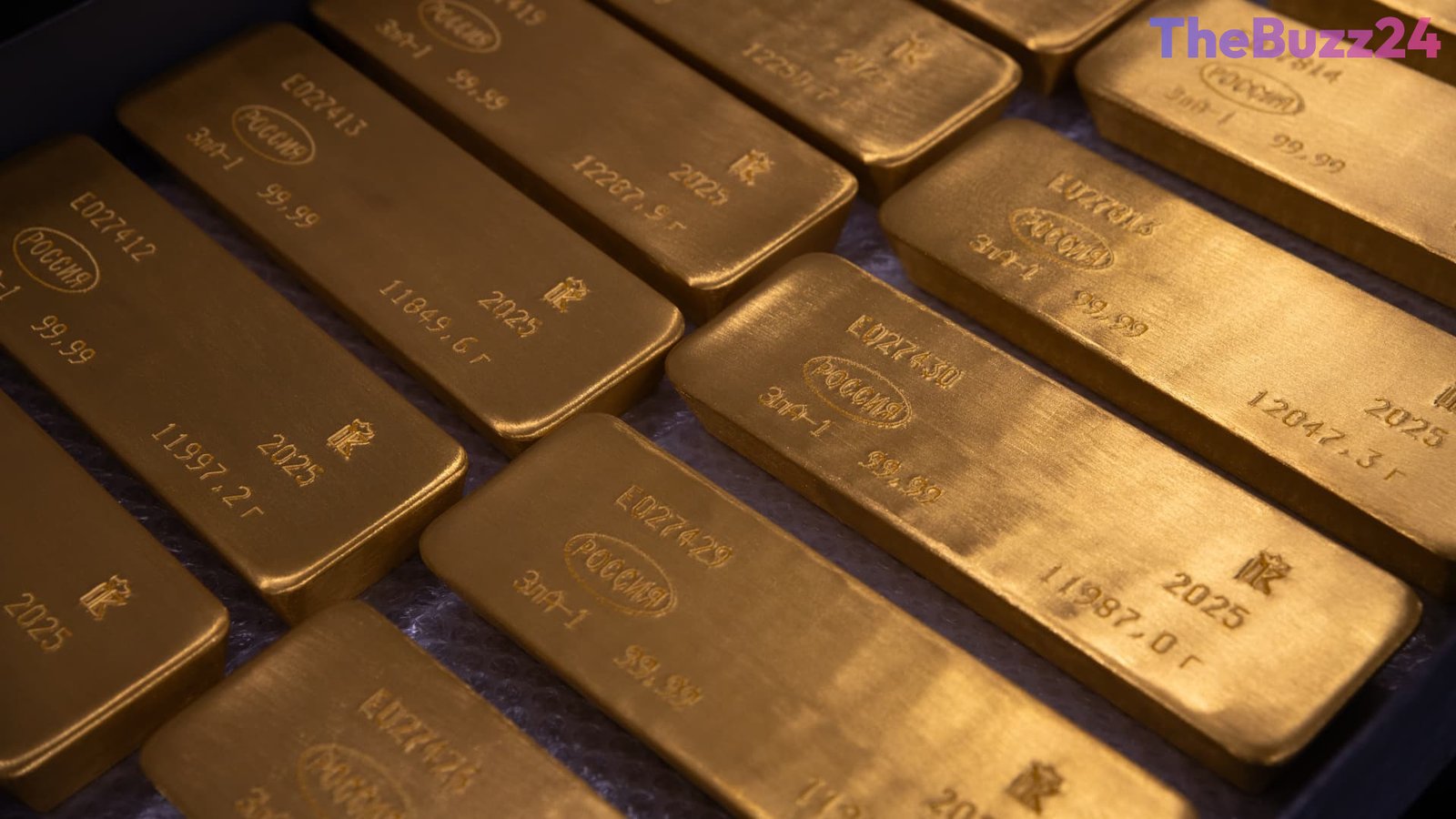
Hong Kong has become a critical conduit for Russian gold, with imports reaching a record 112.7 tonnes during the first seven months of 2026. This massive influx highlights a significant shift in the global bullion trade, as Western sanctions imposed following the 2022 invasion of Ukraine have effectively severed Russia’s access to traditional markets in London and the United States. In contrast to the 3.3 tonnes imported in 2021, the current volume represents a dramatic pivot toward Asian markets, with Russian bullion now accounting for nearly 15% of Hong Kong’s total non-monetary gold imports.
The redirection of these flows is largely driven by the need for Russian producers to find new outlets for their output, which was previously heavily reliant on Western refineries. Hong Kong serves as a strategic entry point into mainland China, the world’s largest consumer of gold, which has not implemented sanctions against Russian precious metals. By utilizing Hong Kong’s established storage and clearing infrastructure, Russian gold is finding a steady path into the Chinese market, where both the central bank and private households have been aggressively increasing their gold holdings as a hedge against economic uncertainty.
This trend is further bolstered by China’s designation of gold as a strategic mineral, encouraging a domestic buying spree that has seen official reserves grow significantly. As Hong Kong competes with other regional hubs like Singapore to maintain its status as a premier financial gateway, the surge in Russian gold imports underscores the deepening bilateral trade ties between Moscow and Beijing. The shift not only circumvents Western restrictions but also reinforces the role of Asian financial centers in reshaping the global commodities landscape.
Key Takeaways
- Hong Kong imported a record 112.7 tonnes of Russian gold in the first seven months of 2026, far exceeding previous annual figures.
- Western sanctions have forced a structural shift in the gold market, moving trade away from London toward Asian hubs like Hong Kong.
- The influx of Russian gold aligns with China's broader strategy of increasing gold reserves and promoting bullion as a secure store of value for its citizens.
Editor’s Analysis & Impact
The rerouting of Russian gold through Hong Kong represents a permanent structural change in the global precious metals market. By bypassing the London Bullion Market Association’s Good Delivery lists, Russia has successfully integrated its supply chain into the Chinese economy, effectively neutralizing the intended impact of Western sanctions on its gold exports. This development signals a broader trend of ‘de-dollarization’ and the creation of parallel commodity trading networks that operate outside the influence of G7 financial systems. Looking ahead, Hong Kong’s role as a primary gateway will likely strengthen, provided it can maintain its infrastructure advantage over regional competitors. The sustained demand from the People’s Bank of China and Chinese retail investors ensures that this trade route will remain highly active, further cementing the shift of the global gold market’s center of gravity toward the East.
Frequently Asked Questions
Q: Why is Russian gold being sent to Hong Kong instead of London?
A: Following the 2022 invasion of Ukraine, Western nations imposed sanctions that banned Russian gold, and the London Bullion Market Association suspended Russian refiners, forcing Russia to seek alternative markets in Asia.
Q: What role does China play in the current gold trade surge?
A: China is the world's largest consumer of gold and has designated it a strategic mineral. By importing Russian gold through Hong Kong, China is able to satisfy its high domestic demand for bullion as a store of value and increase its official central bank reserves.
AI Disclosure: This article is based on verified data and official reports. Our Team and AI have cross-referenced every financial detail with primary sources to ensure total accuracy.
More from this Category