Algorithmic Hedge Funds Outperform Market Amid Volatile Conditions
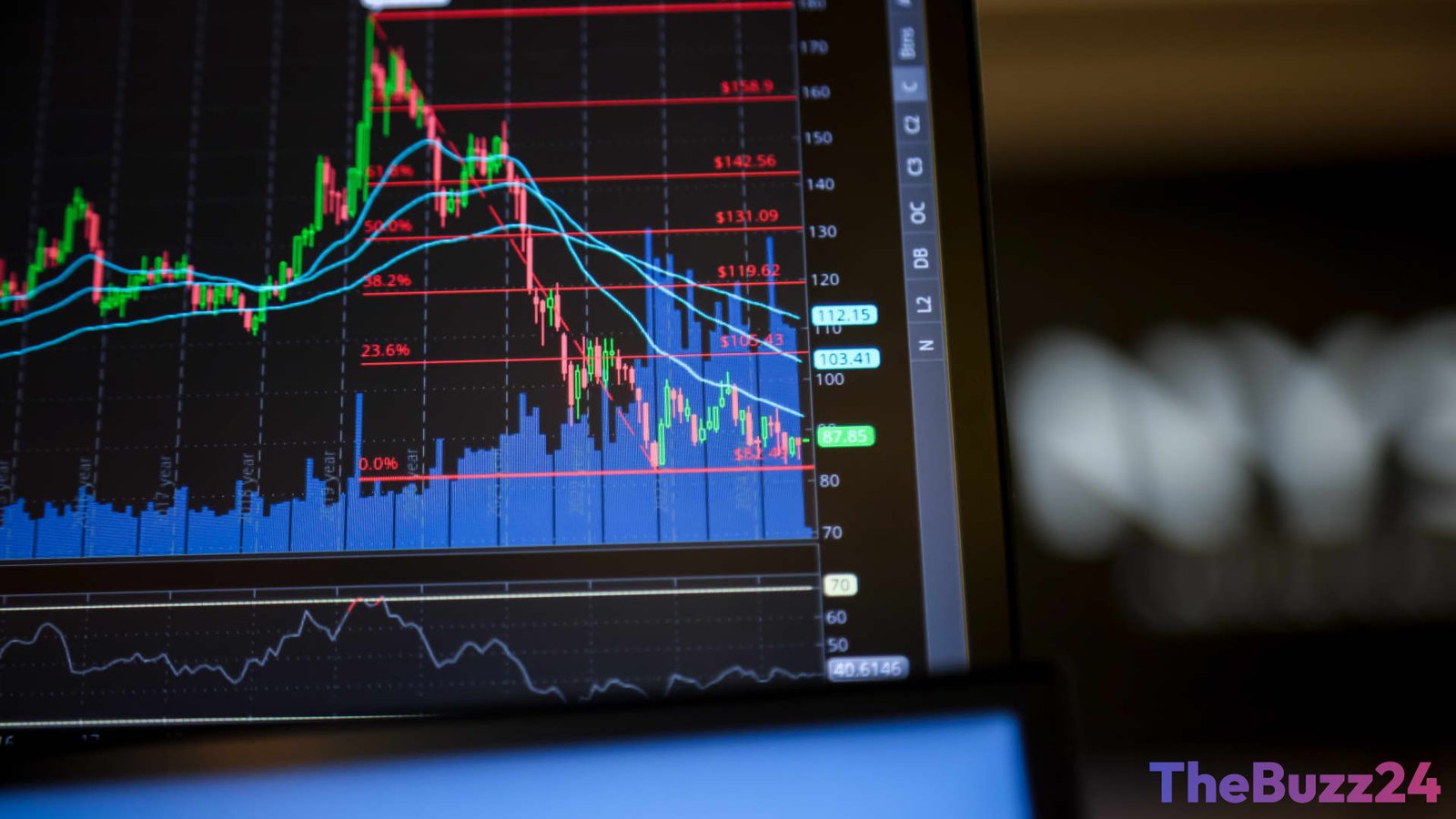
Computer-driven trend-following hedge funds, often referred to as Commodity Trading Advisors (CTAs), have demonstrated remarkable outperformance in the current year’s volatile market landscape. These sophisticated funds, which leverage complex algorithms and machine learning to execute trades, have significantly surpassed traditional investment benchmarks. For instance, the Societe Generale SG CTA Index, a key performance metric tracking major strategies including those from Man Group, PIMCO, AQR, and Winton Capital, recorded a robust 15.7% return in the first nine months of the year, comfortably exceeding the S&P 500’s 11.7% gain over the same period.
The success of these quantitative funds is attributed to their ability to identify and capitalize on substantial, consistent market trends, both upward and downward, across equities, bonds, commodities, and currencies. Industry experts highlight their prescient positioning, notably their correct anticipation of September’s sharp bond sell-off through short positions against U.S. Treasurys. This built upon earlier gains from bullish dollar bets and strategic long positions in oil taken before the escalation of geopolitical tensions involving Iran. Andrew Beer, managing member at Dynamic Beta Investments, characterized their approach as ‘early, contrarian, and right,’ emphasizing their superior ability to time markets compared to human investors.
This year’s market environment has proven particularly challenging for conventional ’60/40′ portfolios, which typically rely on bonds to diversify against equity risk. Nicolas Gaussel, CEO and CIO of Metori Capital Management, pointed out that the strong positive correlation between equities and bonds, coupled with a negative correlation between energy and both asset classes, created a difficult landscape. In contrast, CTAs thrived by leveraging their flexibility to take short positions in fixed income, effectively navigating inflationary pressures and demonstrating that their performance is not dependent on bonds fulfilling their traditional defensive role.
Looking ahead, the continued performance of these trend-following funds into the year-end is expected to be closely tied to movements in energy prices and interest rates. Yung-Shin Kung, chief investment officer at Mast Investments, suggests that the linkages between these factors are increasingly propagating into currency and equity markets. While CTAs are generally well-positioned to offer a buffer for traditional portfolios, Kung also cautions that the risk within many CTA books has become increasingly concentrated, a factor that warrants close observation.
Key Takeaways
- Computer-driven trend-following hedge funds (CTAs) significantly outperformed traditional portfolios and the S&P 500 this year, with the SG CTA Index returning 15.7% compared to the S&P 500's 11.7% over nine months.
- Their success stemmed from accurately identifying and trading major market trends, including shorting bonds during September's sell-off and making early long bets on oil before geopolitical events, demonstrating an 'early, contrarian, and right' approach.
- CTAs thrived in a challenging market environment where traditional 60/40 portfolios struggled due to positive correlations between equities and bonds, leveraging their ability to take both long and short positions across various asset classes.
Editor’s Analysis & Impact
The exceptional performance of trend-following quantitative funds this year underscores a significant shift in the investment landscape, validating the efficacy of algorithmic strategies in navigating complex and volatile markets. This success challenges traditional human-led active management, suggesting that machine-driven approaches can more effectively identify and capitalize on market trends, particularly when human emotions might lead to suboptimal decisions. The ability of these funds to thrive amidst the breakdown of traditional diversification benefits, like those offered by 60/40 portfolios, highlights their adaptability. Looking ahead, this trend is likely to accelerate investment into AI and machine learning in finance, potentially reshaping asset allocation strategies across the industry. However, the increasing concentration of risk within some CTA books warrants careful monitoring, even as they offer a valuable buffer for conventional portfolios.
Frequently Asked Questions
Q: What are trend-following hedge funds (CTAs)?
A: Trend-following hedge funds, or Commodity Trading Advisors (CTAs), are computer-driven funds that utilize complex algorithms, statistical models, and machine learning to identify and profit from consistent price trends (both upward and downward) across various futures markets, including equities, bonds, commodities, and currencies.
Q: Why have CTAs performed so well this year compared to traditional portfolios?
A: CTAs have excelled by accurately predicting and acting on major market shifts, such as shorting bonds during sell-offs and taking early long positions in oil. Their ability to take both long and short positions across diverse asset classes allowed them to navigate market conditions that challenged traditional 60/40 portfolios, where equities and bonds moved in positive correlation, making traditional diversification less effective.
Q: What are the key factors influencing CTA performance going forward?
A: Future performance for trend-following funds is expected to largely depend on the trajectory of energy prices and interest rates. As these factors increasingly influence currencies and equity markets, CTAs, with their trend-following nature, are generally well-positioned, though some experts note a growing concentration of risk within these funds that warrants attention.
AI Disclosure: This article is based on verified data and official reports. Our Team and AI have cross-referenced every financial detail with primary sources to ensure total accuracy.
More from this Category