Starbucks Faces Geopolitical Firestorm Over Xinjiang Expansion
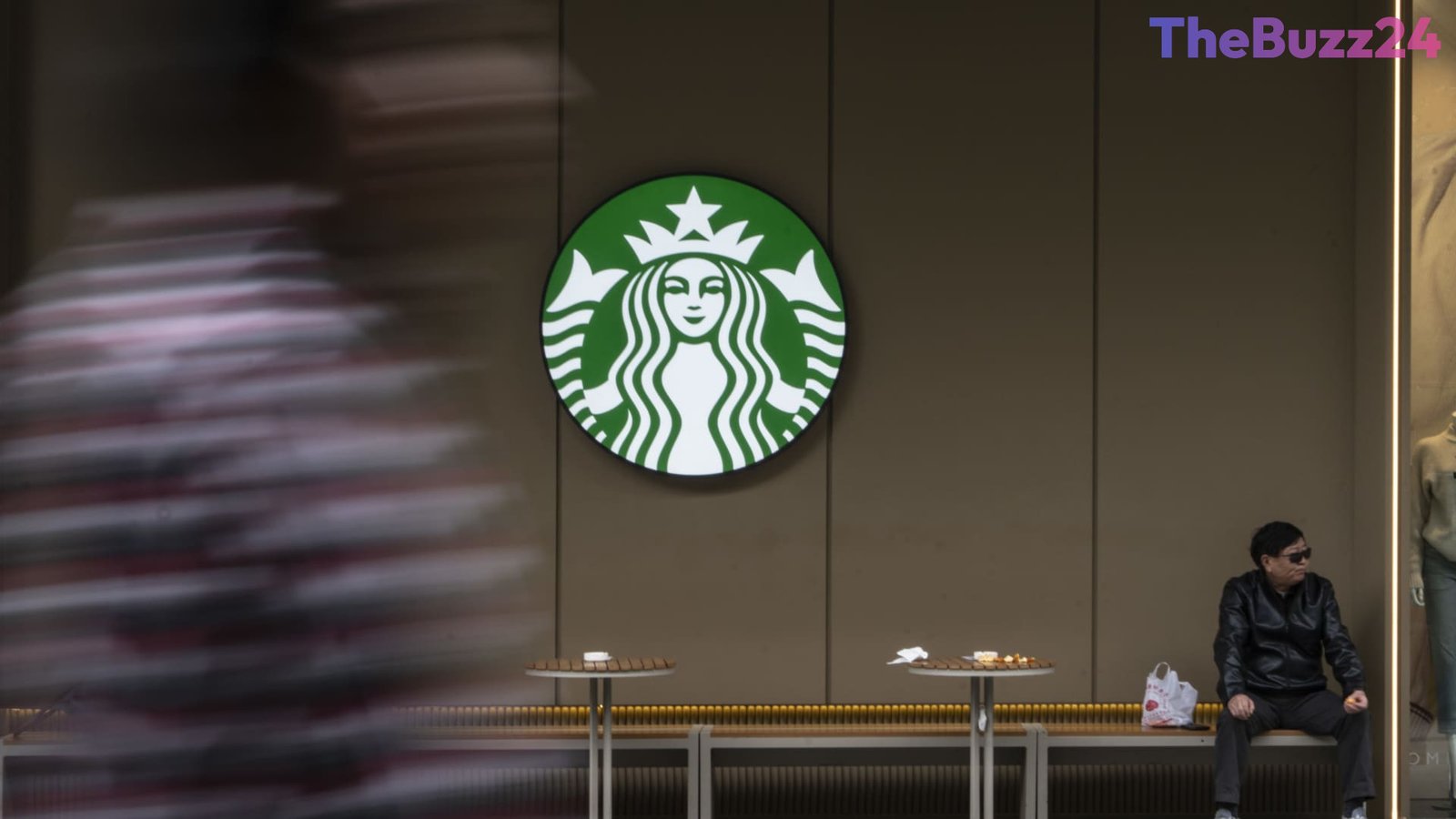
Starbucks has ignited a significant diplomatic controversy by opening new locations in the Xinjiang region, a move that highlights the growing friction between commercial expansion and international human rights concerns. The decision to establish a presence in Urumqi marks a bold step for the coffee giant, which recently offloaded a 60% controlling stake of its Chinese operations to the private-equity firm Boyu Capital. This strategic shift has placed the brand at the center of a heated debate regarding the role of Western corporations in regions subject to intense U.S. government scrutiny.
While Starbucks maintains that its growth strategy is driven by the need to scale its operations in its second-largest global market, critics in Washington have condemned the move. The U.S. House Select Committee on China has publicly denounced the expansion, labeling it morally inconsistent with the company’s stated social responsibility goals. Conversely, Chinese officials have dismissed these allegations, framing the region as a hub of economic stability and prosperity, and suggesting that the presence of global brands serves as a testament to the area’s development.
Industry analysts suggest that the expansion is as much about political alignment as it is about market share. By partnering with Boyu Capital—a firm with deep ties to China’s political elite—Starbucks is navigating a complex landscape where domestic commercial opportunities often require adherence to Beijing’s regional development priorities. As other major American brands like Tesla and McDonald’s continue to operate in the region, the Starbucks case serves as a litmus test for how multinational corporations will balance the hardening rivalry between the world’s two largest economies.
Ultimately, the situation underscores the precarious nature of operating in China for U.S.-based firms. If Starbucks were to retreat under political pressure from the U.S., it could signal to other American businesses that commercial agreements in China are increasingly vulnerable to external geopolitical interference. This uncertainty is already influencing how global companies approach joint ventures and long-term investment strategies within the Chinese market.
Key Takeaways
- Starbucks has opened new stores in Xinjiang, drawing sharp criticism from U.S. lawmakers who cite human rights concerns.
- The expansion is being managed by Boyu Capital, a private-equity firm with significant influence and ties to China's political landscape.
- The move serves as a critical test for multinational corporations trying to balance aggressive growth targets in China against mounting geopolitical pressure from Washington.
Editor’s Analysis & Impact
The Starbucks situation in Xinjiang is a microcosm of the ‘de-risking’ dilemma facing multinational corporations today. As the U.S.-China rivalry intensifies, the era of ‘business as usual’ for American firms in China is effectively over. Companies are now forced to choose between satisfying domestic political stakeholders in the U.S. and maintaining access to the lucrative, yet politically sensitive, Chinese consumer market. The involvement of Boyu Capital suggests that Starbucks is prioritizing long-term market integration over Western public relations optics. Looking ahead, we expect to see a bifurcation in corporate strategy: firms will either double down on local partnerships to insulate themselves from geopolitical shocks or begin a slow, strategic decoupling to avoid the reputational and regulatory risks associated with operating in contested regions.
Frequently Asked Questions
Q: Why is the expansion into Xinjiang controversial?
A: The region is the subject of significant international concern regarding human rights and forced labor, leading the U.S. government to impose strict import restrictions and political pressure on companies operating there.
Q: Who currently controls Starbucks' operations in China?
A: Starbucks sold a 60% controlling stake in its China business to the Hong Kong-based private-equity firm Boyu Capital in April.
AI Disclosure: This article is based on verified data and official reports. Our Team and AI have cross-referenced every financial detail with primary sources to ensure total accuracy.
More from this Category