Navigating the Danger Zone: How Ukraine’s Railways Face Escalating Drone Strikes
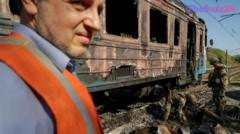
Ukraine’s national railway system has served as a critical lifeline since the outbreak of full-scale conflict, keeping the nation connected through relentless turmoil. However, intensifying aerial assaults are placing unprecedented pressure on the network, with state operators reporting that more than half of all attacks on locomotives since 2022 have occurred this year alone. Passengers now frequently experience sudden disruptions, air raid alerts, and mandatory emergency evacuations far away from active frontlines.
Recent incidents highlight the growing peril for everyday travelers. In September, thousands of trains were halted or evacuated as drone activity surged across various transit corridors. Passengers describe harrowing scenes of being forced to abandon carriages in the middle of the night, seeking shelter in nearby woods while explosions illuminate the darkness. Despite these harrowing encounters and mounting infrastructural damage, railway authorities emphasize that prioritizing the safety of passengers and crew remains paramount, even as maintaining schedules becomes increasingly difficult.
The nature of the threat has also evolved, incorporating more sophisticated technology. Industry leaders note that newer aerial threats are equipped with advanced visual recognition and AI tools capable of targeting moving vehicles with greater precision. In response, operators utilize a sophisticated tracking hub known as the Iron Command Centre, where real-time monitoring ensures trains are diverted or halted whenever a threat enters a designated radius. As winter approaches, bringing freezing temperatures and harsh conditions, the network is preparing comprehensive contingency plans—including mobile shelters and emergency buses—to ensure this essential transit system continues to function amidst ongoing adversity.
Key Takeaways
- Locomotive attacks in Ukraine have escalated sharply, with more than half of all recorded strikes occurring this year.
- Thousands of passenger trains face emergency evacuations monthly due to nearby drone activity, causing severe delays.
- The national railway operator is implementing advanced tracking systems and winter contingency plans to protect passengers and crew.
Editor’s Analysis & Impact
The intensification of strikes against Ukraine’s rail infrastructure marks a critical shift in the broader conflict, transitioning from traditional battlefield targets to the systematic disruption of civilian and logistical lifelines. As operators integrate advanced tracking systems to counter technologically superior drones, the economic and operational toll on the transport sector mounts. Looking ahead, maintaining operational continuity through harsh winter conditions will require substantial international aid and resilient engineering. The ability of Ukrzaliznytsia to adapt under extreme duress serves as a vital case study in wartime infrastructure management, demonstrating how critical supply and passenger lines can survive persistent, targeted destruction.
Frequently Asked Questions
Q: Why are Ukrainian trains facing more disruptions recently?
A: The increase in disruptions is primarily due to a sharp escalation in Russian drone and missile attacks targeting locomotives, rail infrastructure, and moving trains, necessitating frequent emergency evacuations.
Q: How do railway operators protect passengers during air raids?
A: Operators use a real-time monitoring system to track aerial threats. When a drone approaches within a certain radius, passenger trains are halted and passengers are evacuated to safe areas until the danger passes.
Q: What measures are being taken for the upcoming winter season?
A: The railway company is collaborating with international donors to prepare winter evacuation packs, mobile shelters, and backup bus services for routes heavily impacted by frequent attacks.
AI Disclosure: This article is based on verified data and official reports. Our Team and AI have cross-referenced every financial detail with primary sources to ensure total accuracy.
More from this Category