Strait of Hormuz Oil Exports Face Perilous Future Amid Escalating Iranian Attacks
Crude oil exports navigating the vital Strait of Hormuz have seen a partial recovery, but this resurgence is heavily reliant on significant U.S. military intervention and comes at a steep human cost to tanker crews. Concurrently, Iran has intensified its aggressive actions against commercial vessels, casting a shadow of uncertainty over the sustainability of these increased oil flows.
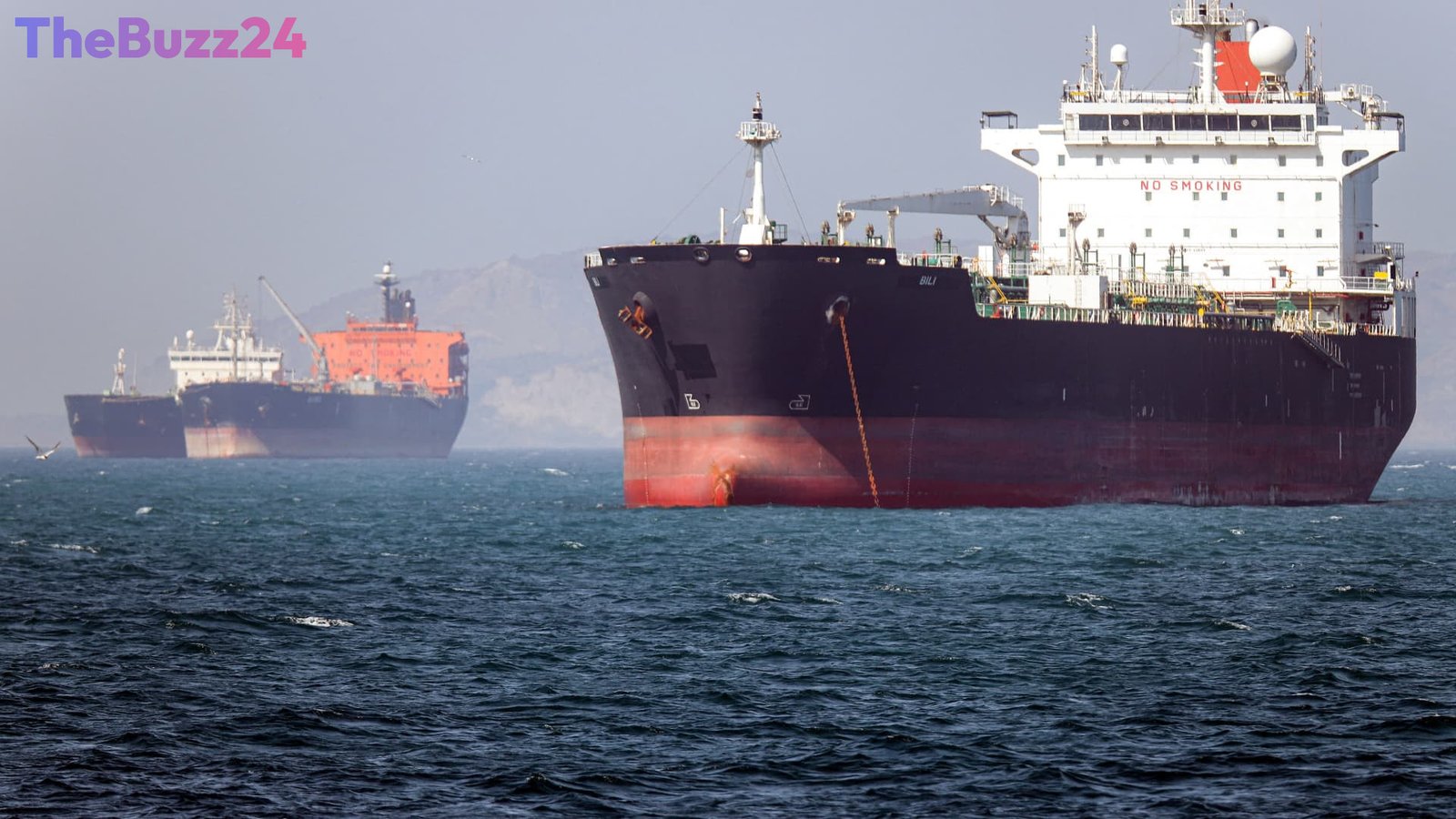
Recent data indicates a concerning trend, with nearly 20 commercial ships, predominantly oil tankers, targeted in the past month within the Strait of Hormuz, the Persian Gulf, or off the coast of Oman. These attacks, detailed by the Joint Maritime Information Center, a coalition of U.S.-allied militaries, highlight the escalating risks. Maritime intelligence analysts note that Iran’s attacks have increased, impacting approximately two vessels for every 100 that transit the strait during the third quarter.
The current rebound in oil exports is largely facilitated by a robust U.S. military presence dedicated to safeguarding tankers along a southern route adjacent to Oman’s coast. However, experts question the long-term viability of this arrangement without a diplomatic resolution or a shift in Tehran’s stance. The operational complexity, including ship-to-ship transfers to mitigate direct exposure to Iranian threats, adds significant costs and inefficiencies to the movement of oil, making the current situation financially unsustainable according to energy market observers.
Despite the increased security measures and operational adjustments, the inherent dangers persist. The cost of shipping crude from the Persian Gulf has surged, with daily rates for tankers reaching as high as $1 million. This elevated risk is reflected in the continued high prices of international oil benchmarks, suggesting that the market perceives the current security situation as precarious. The ongoing insecurity in the Strait of Hormuz underscores a market adapting to sustained threats rather than achieving genuine freedom of navigation.
Key Takeaways
- Oil exports through the Strait of Hormuz have increased but are heavily dependent on U.S. military protection.
- Iran has escalated attacks on tankers, leading to increased operational costs, crew casualties, and heightened maritime risk.
- The current recovery in oil flows is considered unsustainable by experts without a diplomatic resolution or a change in Iran's actions.
Editor’s Analysis & Impact
The escalating tensions and attacks in the Strait of Hormuz present a significant challenge to global energy markets. While oil flows have shown resilience, this is largely a testament to increased military expenditure and complex logistical workarounds, rather than a sign of normalized trade. The high costs associated with insuring and transporting crude, coupled with the human toll on seafarers, indicate a market operating under duress. This precarious situation contributes to the volatility of oil prices, as the underlying insecurity remains unresolved. The long-term outlook hinges on diplomatic efforts to de-escalate tensions, as the current reliance on military escorts and costly operational adjustments is not a sustainable solution for stable global energy supply.
Frequently Asked Questions
Q: What is the Strait of Hormuz and why is it important for oil exports?
A: The Strait of Hormuz is a narrow waterway connecting the Persian Gulf to the Gulf of Oman and the open sea. It is a critical chokepoint for global oil transportation, with a significant percentage of the world's oil passing through it daily.
Q: What are the main risks associated with shipping through the Strait of Hormuz currently?
A: The primary risks include direct attacks on tankers by Iran, leading to potential damage, loss of cargo, and severe danger to the lives of ship crews. These attacks necessitate increased security measures, higher insurance premiums, and complex rerouting or ship-to-ship transfer operations, all of which drive up costs.
Q: How are oil companies and governments responding to the increased threats?
A: Governments, particularly the U.S., are increasing military presence to escort and protect tankers. Companies are incurring higher freight and insurance costs, and some are employing ship-to-ship transfer systems to reduce the time tankers spend in the most dangerous areas. However, these measures are costly and do not eliminate the underlying risks.
AI Disclosure: This article is based on verified data and official reports. Our Team and AI have cross-referenced every financial detail with primary sources to ensure total accuracy.
More from this Category