The Hidden Inflation Driver: Why Soaring Diesel Costs Threaten Your Wallet
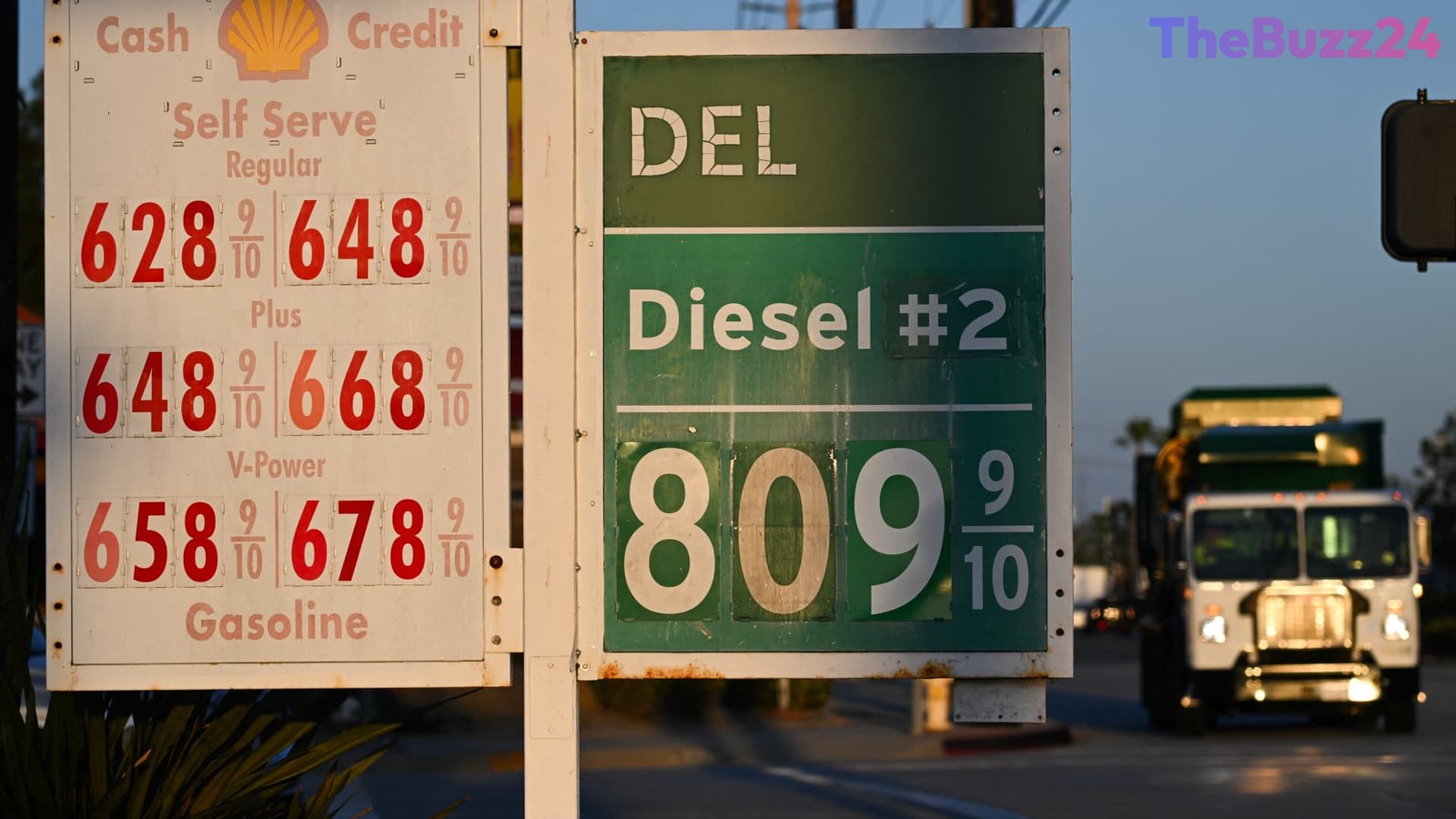
While gasoline prices often dominate headlines due to their immediate impact on household budgets, a more insidious threat is emerging from the surge in diesel costs. Since the onset of the conflict in Iran, diesel prices have climbed approximately 68%, reaching record highs above $6 per gallon. Unlike gasoline, which consumers pay for directly at the pump, diesel serves as the lifeblood of the global supply chain, powering the trucks, trains, and ships that transport essential goods to store shelves.
Economists warn that the current spike in diesel prices acts as a significant, albeit indirect, tax on the average consumer. Because diesel is a fundamental input for agriculture, manufacturing, and logistics, businesses are forced to absorb these increased operational costs. Over time, these expenses are inevitably passed down to the end user, manifesting as higher prices for groceries, household items, and delivery services. Experts note that the full inflationary impact of these fuel costs often takes six months to a year to fully permeate the economy.
In response to the crisis, government interventions have begun, including the release of strategic diesel stocks by G7 nations and executive orders allowing the temporary use of agricultural-grade fuel for broader purposes. However, analysts remain skeptical that these measures will provide long-term relief. With refining infrastructure damaged in the Middle East and ongoing geopolitical instability, the upward pressure on diesel prices is expected to persist, potentially keeping inflation elevated for the foreseeable future.
As the economy continues to grapple with these supply chain pressures, lower- and middle-income households are expected to bear the brunt of the burden. With diesel costs accounting for a significant portion of input expenses for farmers and manufacturers, the cumulative effect on food prices and consumer goods could lead to a steady, incremental rise in the cost of living that will be felt long after the initial fuel price shock.
Key Takeaways
- Diesel prices have surged 68% since the start of the Iran conflict, significantly outpacing gasoline price increases.
- Because diesel powers the majority of global logistics and agriculture, its high cost acts as an indirect tax that eventually inflates the price of consumer goods and food.
- Economists estimate that for every $1 increase in diesel per gallon, overall inflation could rise by 0.1 percentage points, with the full impact taking up to a year to materialize.
Editor’s Analysis & Impact
The current diesel crisis highlights a critical vulnerability in the global economy: the reliance on a single, volatile fuel source for the entire supply chain. While central banks focus on interest rates to curb inflation, the ‘hidden’ cost of diesel represents a supply-side shock that monetary policy is poorly equipped to handle. The market outlook remains bearish for consumer purchasing power, as the structural damage to refining infrastructure in the Middle East suggests that high energy costs are not merely a temporary spike but a persistent trend. Investors should anticipate margin compression for retail and manufacturing sectors, as companies struggle to pass on these costs without dampening demand. The long-term implication is a potential shift in logistics strategies, as businesses may be forced to prioritize regional supply chains over global ones to mitigate fuel-related risks.
Frequently Asked Questions
Q: Why does the price of diesel affect the price of groceries?
A: Diesel is the primary fuel used for transporting food from farms to processing plants and eventually to retail stores. Additionally, it is a key input cost for farming machinery. When diesel prices rise, these transportation and production costs are passed on to the consumer.
Q: How long does it take for high diesel prices to impact consumer inflation?
A: Economists suggest that the impact of diesel price hikes is not immediate. It typically takes between six months to a year for these increased costs to filter through the supply chain and fully reflect in the prices consumers pay at the store.
AI Disclosure: This article is based on verified data and official reports. Our Team and AI have cross-referenced every financial detail with primary sources to ensure total accuracy.
More from this Category