Meet Hark Pro: The Privacy-Focused AI Assistant Aiming to Redefine Personal Computing
The artificial intelligence landscape is witnessing a fresh contender with the official rollout of Hark Pro, a desktop-focused assistant designed to function as an operating system for future computing environments. Developed by a team of industry veterans, the software is engineered not to pursue general artificial intelligence, but rather to streamline everyday digital workflows by executing tasks directly on the user’s machine.
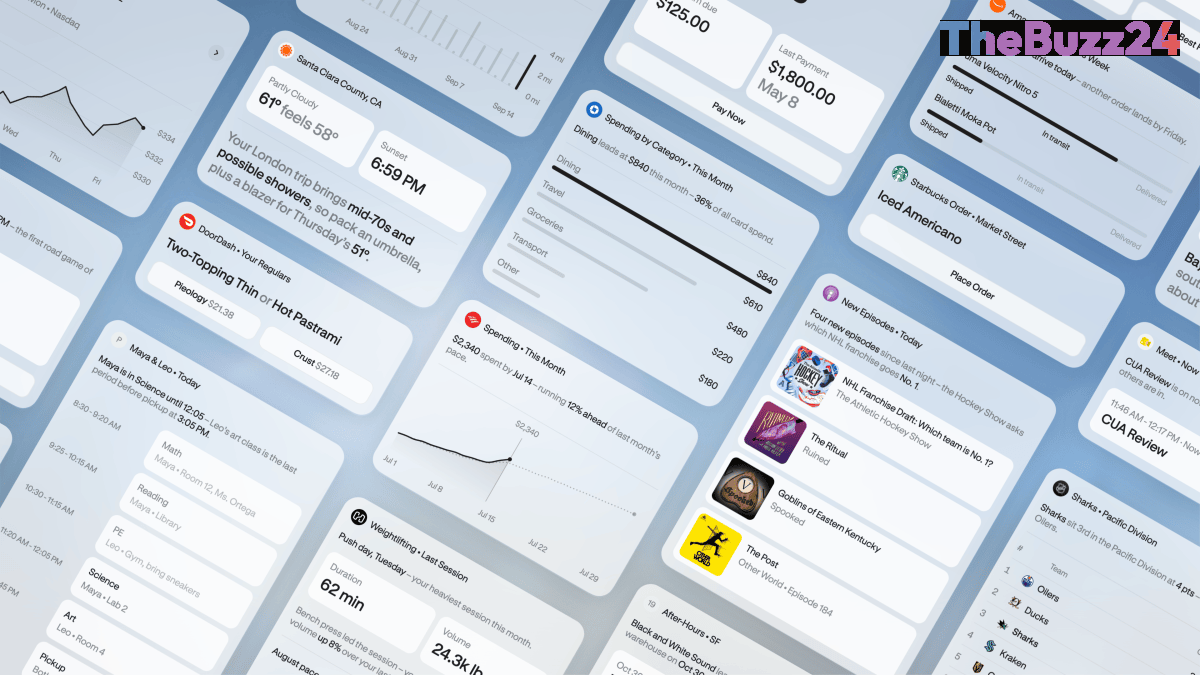
Unlike traditional chatbots confined to a browser tab, Hark Pro delivers a full-screen desktop experience featuring a dynamic homepage, interactive prompt feeds, and customized visualization panels. Users can link the system to their emails, calendars, local storage, and financial accounts, allowing the assistant to proactively manage schedules, draft correspondence, and handle routine administrative chores such as booking travel or navigating government websites. A key transparency feature includes a picture-in-picture window that lets users watch the agent navigate web pages in real time, fostering digital trust.
Privacy remains a central pillar of the platform’s market positioning. In an era where major tech conglomerates leverage user data for targeted advertising, the startup emphasizes a task-oriented approach designed to protect personal information. Furthermore, the software’s underlying model is specifically trained for computer interaction rather than broad conversational reasoning, optimizing it for speed and execution efficiency in end-to-end task completion.
Beyond software, the company has broader ambitions for hardware integration, teasing the release of a proprietary AI-native device slated for 2027. While details regarding the physical form factor remain under wraps, leadership hints at a novel design philosophy aimed at replacing traditional keyboard-and-terminal paradigms that have dominated personal computing for decades.
Key Takeaways
- Hark Pro has launched its AI desktop assistant, designed to operate computers on behalf of users.
- The platform emphasizes user trust and data privacy, deliberately positioning itself against ad-driven tech giants.
- The company plans to expand beyond software by releasing a proprietary AI-native hardware device in 2027.
Editor’s Analysis & Impact
The introduction of Hark Pro highlights a broader industry shift away from generic chatbot interfaces toward specialized, action-oriented AI agents capable of executing complex workflows. By prioritizing task execution and transparent navigation over sheer conversational breadth, Hark addresses a critical user adoption barrier: trust. As consumers increasingly share sensitive digital footprints—including calendars, emails, and financial data—with AI systems, privacy-centric positioning will become a major competitive differentiator against larger ecosystems like OpenAI and Meta. However, the long-term viability of specialized computer-use models will depend on whether they can match the contextual flexibility of frontier large language models while maintaining speed and cost efficiency. The promise of proprietary hardware in 2027 further signals that the ultimate battleground for AI assistants may extend far beyond desktop software into ambient computing.
Frequently Asked Questions
Q: What is Hark Pro?
A: Hark Pro is a full-screen desktop AI assistant designed to integrate with a user's digital life and execute tasks directly on their computer, such as managing emails, scheduling, and browsing.
Q: How does Hark Pro address privacy concerns?
A: Unlike major tech companies that rely heavily on data harvesting and advertising models, Hark focuses on a task-oriented approach, utilizing a transparent interface that lets users watch the AI navigate the web to build trust.
Q: Are there plans for Hark to release hardware?
A: Yes, the company has announced plans to release a novel, AI-native hardware device in 2027 to complement its software ecosystem.
AI Disclosure: This article is based on verified data and official reports. Our Team and AI have cross-referenced every financial detail with primary sources to ensure total accuracy.
More from this Category