Secretary of State Rubio Criticizes Iran’s Stance on Nuclear Negotiations
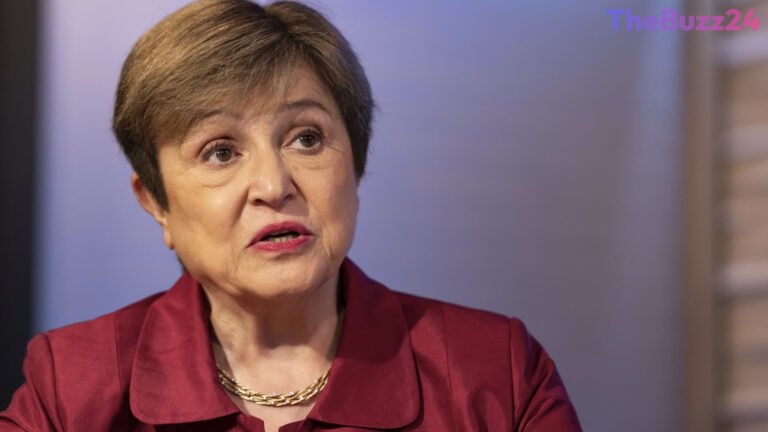
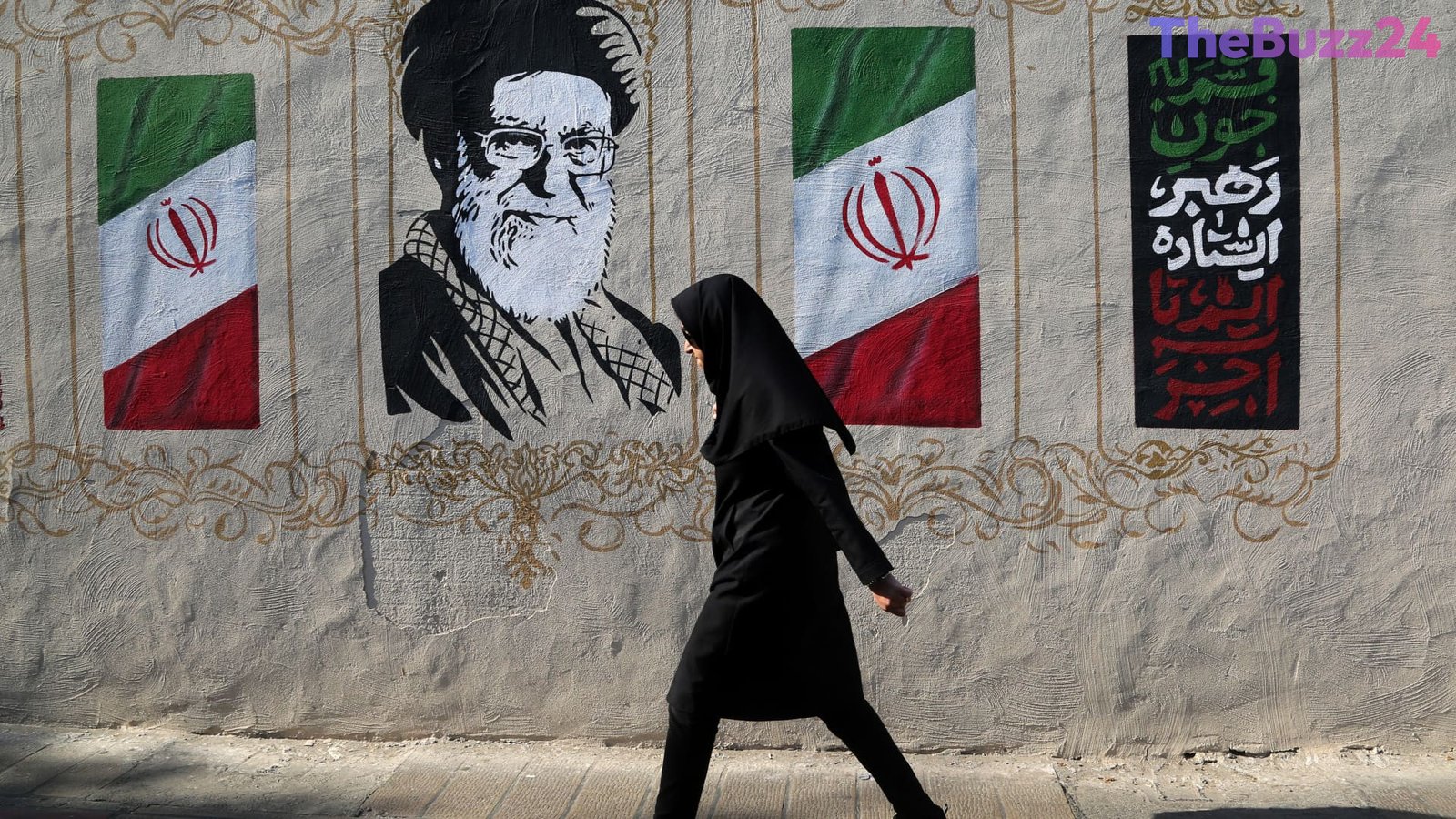
Secretary of State Marco Rubio has publicly stated that Iran has repeatedly squandered opportunities to secure a diplomatic resolution regarding its nuclear program. These comments come as high-stakes negotiations between Washington and Tehran remain at a standstill, complicating efforts to establish a lasting peace in the Middle East.
During a diplomatic visit to Greece, Rubio emphasized that the failure to reach a consensus rests on Tehran’s refusal to engage meaningfully with the proposals currently on the table. The curtailment of Iran’s nuclear ambitions remains a non-negotiable pillar of U.S. foreign policy, even as the ongoing seven-month conflict continues to strain regional stability.
This diplomatic impasse is occurring against a backdrop of heightened military and economic tension. Recent reports indicate that Iran has increased its aggressive posture near the Strait of Hormuz, forcing commercial vessels to seek U.S. military escorts to ensure safe passage. Furthermore, the broader regional instability has begun to impact global markets, with energy prices seeing an uptick following recent attacks on Saudi Arabian infrastructure by Iran-backed Houthi forces.
While the administration continues to push for a diplomatic breakthrough, officials have clarified that there is no current plan for sanctions relief in exchange for nuclear concessions. As the conflict persists, the international community remains focused on whether a path toward de-escalation can be found before the situation in the Strait of Hormuz and the broader region deteriorates further.
Key Takeaways
- Secretary of State Marco Rubio claims Iran has missed multiple opportunities to finalize a nuclear agreement.
- The U.S. maintains that any resolution to the current conflict must include a significant reduction in Iran's nuclear enrichment capabilities.
- Regional tensions are rising, with increased threats to shipping in the Strait of Hormuz and upward pressure on global oil prices.
Editor’s Analysis & Impact
The current diplomatic stalemate between the U.S. and Iran represents a significant flashpoint for global markets and geopolitical stability. By linking nuclear non-proliferation directly to the ongoing regional conflict, the U.S. administration is signaling a hardline approach that leaves little room for immediate compromise. The market reaction—specifically the rise in Brent crude and WTI futures—highlights the sensitivity of global energy supplies to instability in the Strait of Hormuz. Looking ahead, the failure to reach a deal will likely lead to continued volatility in energy sectors and increased military posturing. If the current trajectory holds, the international community may face a prolonged period of economic uncertainty, as the intersection of nuclear policy and regional security remains the primary driver of instability in the Middle East.
Frequently Asked Questions
Q: What is the primary obstacle in the current U.S.-Iran negotiations?
A: The primary obstacle is the disagreement over Iran's nuclear program, with the U.S. demanding a meaningful reduction in nuclear enrichment as a condition for any lasting peace agreement.
Q: How is the current conflict affecting global energy markets?
A: The conflict has caused energy prices to rise, as investors react to increased military activity in the Strait of Hormuz and attacks on Saudi Arabian airports by Iran-backed forces.
AI Disclosure: This article is based on verified data and official reports. Our Team and AI have cross-referenced every financial detail with primary sources to ensure total accuracy.
More from this Category