Deadly Houthi Attacks Target Saudi Airports, Escalating Yemen Conflict
Saudi Arabia’s airports have become the latest targets in a significant escalation of the conflict in Yemen, with recent attacks resulting in the deaths of three people and injuring dozens more. The incidents, which occurred over two days at Abha International Airport and King Khalid International Airport in Riyadh, underscore the widening impact of the renewed fighting that has spilled across the Yemen-Saudi border.
Authorities confirmed that two women, one Moroccan and one Algerian national, lost their lives during an assault on Abha International Airport, located near the Yemeni border. In a separate incident at King Khalid International Airport in the capital, a Sudanese national was killed. In total, the attacks left 28 individuals wounded at Abha and eight at King Khalid.
The Houthi military spokesperson, Yahya Saree, has claimed responsibility for the strikes, stating that ballistic missiles and drones were used against both Saudi airports. Saree asserted that these actions were a direct response to what he described as “Saudi aggression against our country,” citing over 60 airstrikes and missile attacks within the preceding 24 hours. The group also reported attacking Aden’s International Airport in Yemen on the same day.
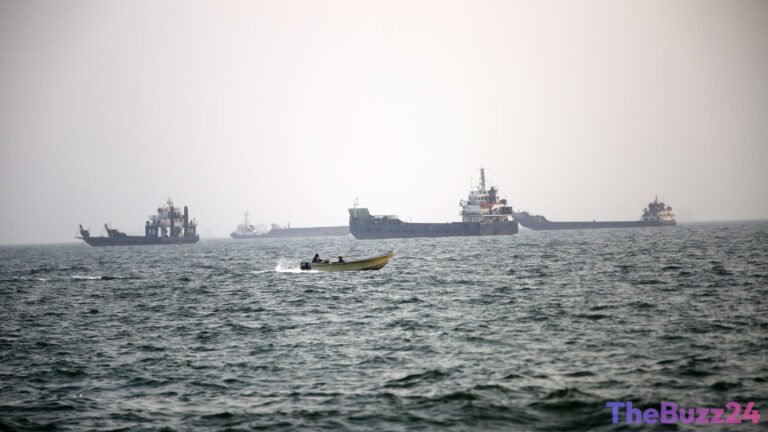
This latest wave of violence marks a concerning intensification of the war between the Saudi-backed Yemeni government forces and the Iran-backed Houthi movement. The Houthis have recently made significant territorial gains in northwestern Yemen, including capturing the strategically vital port of Mokha on the Bab al-Mandab Strait, a critical chokepoint for global shipping. In response, pro-government forces, supported by Saudi Arabia, have declared a full-scale offensive to reclaim Houthi-held territories and have stated they have secured the Bab al-Mandab Strait.
Key Takeaways
- Three people were killed and 36 injured in Houthi attacks on two Saudi Arabian airports.
- The Houthis claimed responsibility, citing retaliation for Saudi airstrikes in Yemen.
- The attacks represent a significant escalation of the ongoing conflict in Yemen and its spillover into Saudi Arabia.
Editor’s Analysis & Impact
The recent Houthi attacks on Saudi airports signal a dangerous escalation in the protracted Yemen conflict, moving beyond traditional frontlines. By targeting civilian infrastructure in Saudi Arabia, the Houthis aim to exert pressure and demonstrate their reach, potentially drawing a stronger retaliatory response from the Saudi-led coalition. This development risks further destabilizing the region, exacerbating the already dire humanitarian crisis in Yemen, and impacting international shipping lanes. The international community, including the UN, has expressed deep concern, highlighting the urgent need for de-escalation and renewed diplomatic efforts to find a lasting resolution to the conflict.
Frequently Asked Questions
Q: Who are the Houthis?
A: The Houthis, officially known as Ansar Allah, are an Iran-backed Zaidi Shia political and military organization based in Yemen. They have been engaged in a civil war against the Saudi-backed Yemeni government since 2014.
Q: What is the Bab al-Mandab Strait?
A: The Bab al-Mandab Strait is a narrow waterway connecting the Red Sea to the Gulf of Aden. It is a crucial chokepoint for global maritime trade, particularly for oil shipments, making its control strategically significant.
Q: What is the current status of the Yemen conflict?
A: The conflict in Yemen is ongoing, characterized by a civil war between Houthi forces and the internationally recognized Yemeni government, supported by a Saudi-led coalition. Recent weeks have seen a significant escalation with Houthi advances and retaliatory attacks into Saudi Arabia, despite a previous ceasefire.
AI Disclosure: This article is based on verified data and official reports. Our Team and AI have cross-referenced every financial detail with primary sources to ensure total accuracy.
More from this Category