Tanker Struck by Projectiles in Gulf Amid Escalating Regional Maritime Conflict
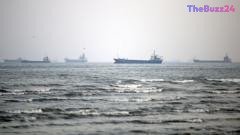
An oil and chemical tanker, identified as the Antigua and Barbuda-flagged Acers, was reportedly struck by multiple projectiles in the Gulf, north of Qatar. The incident, occurring approximately 51 nautical miles (94km) from Madinat al-Shamal, has resulted in reported casualties, marking a rare attack deep within the Gulf region. The vessel was later reported to be sailing towards the critical Strait of Hormuz waterway.
This latest assault comes amidst a series of escalating attacks on merchant vessels in the region since the conflict involving the US, Israel, and Iran commenced in February. Over 90 confirmed incidents have been recorded, leading to the deaths of at least 24 seafarers. Notably, this is the first reported attack on a vessel so far west of the Strait of Hormuz since early September, when two sailors perished in an attack on the Panama-flagged tanker El Gaia within the Strait itself.
The Strait of Hormuz, a critical maritime chokepoint through which a significant portion of global oil and gas shipments typically transit, has been a focal point of tensions. Following the initial outbreak of hostilities, the Strait faced effective closure due to missile and drone attacks on commercial vessels and a US naval blockade. Although a preliminary agreement to reopen the waterway was reached in June, it quickly unraveled as attacks resumed. To safeguard crude exports from Gulf Arab states, the US military has been actively providing protection for tankers navigating the Strait, helping to maintain crude exports at approximately 12 million barrels per day, about 80% of pre-war volumes. Iran has previously asserted control over the waterway and targeted vessels using alternative routes through Omani waters.
Key Takeaways
- An Antigua and Barbuda-flagged oil tanker, Acers, was hit by multiple projectiles north of Qatar, resulting in reported casualties.
- This incident is part of a broader pattern of attacks on merchant vessels in the Gulf since the US and Israel's conflict with Iran began in February, which has claimed at least 24 seafarers' lives.
- The attack highlights ongoing instability in a critical shipping lane, despite US military efforts to protect tankers and maintain oil exports through the Strait of Hormuz.
Editor’s Analysis & Impact
This attack on the Acers tanker underscores the persistent and volatile security challenges in the Gulf, a region vital for global energy supplies. The incident is likely to trigger an immediate uptick in shipping insurance premiums for vessels operating in the area, increasing operational costs for oil and gas companies. Geopolitically, it signals a potential escalation of the ongoing maritime conflict, challenging the effectiveness of current protective measures and raising concerns about broader regional stability. The continued targeting of commercial shipping, despite US military presence, suggests that a lasting resolution to the underlying tensions remains elusive, posing a significant risk to global trade routes and energy market predictability.
Frequently Asked Questions
Q: What vessel was involved in the recent attack near Qatar?
A: The vessel involved was the Antigua and Barbuda-flagged oil and chemical tanker named Acers.
Q: How does this incident relate to broader regional conflicts?
A: This attack is part of a pattern of incidents targeting merchant vessels in the Gulf since the US and Israel's conflict with Iran began in February, highlighting ongoing maritime tensions and instability in the region.
Q: What is the significance of the Strait of Hormuz in this context?
A: The Strait of Hormuz is a crucial global chokepoint for oil and gas shipments. Its security is paramount for international energy markets, and attacks in the broader Gulf region, particularly those near the Strait, directly impact global trade and energy prices.
AI Disclosure: This article is based on verified data and official reports. Our Team and AI have cross-referenced every financial detail with primary sources to ensure total accuracy.
More from this Category