Elon Musk Challenges Indian Billionaire Mukesh Ambani Over Starlink Regulatory Delays
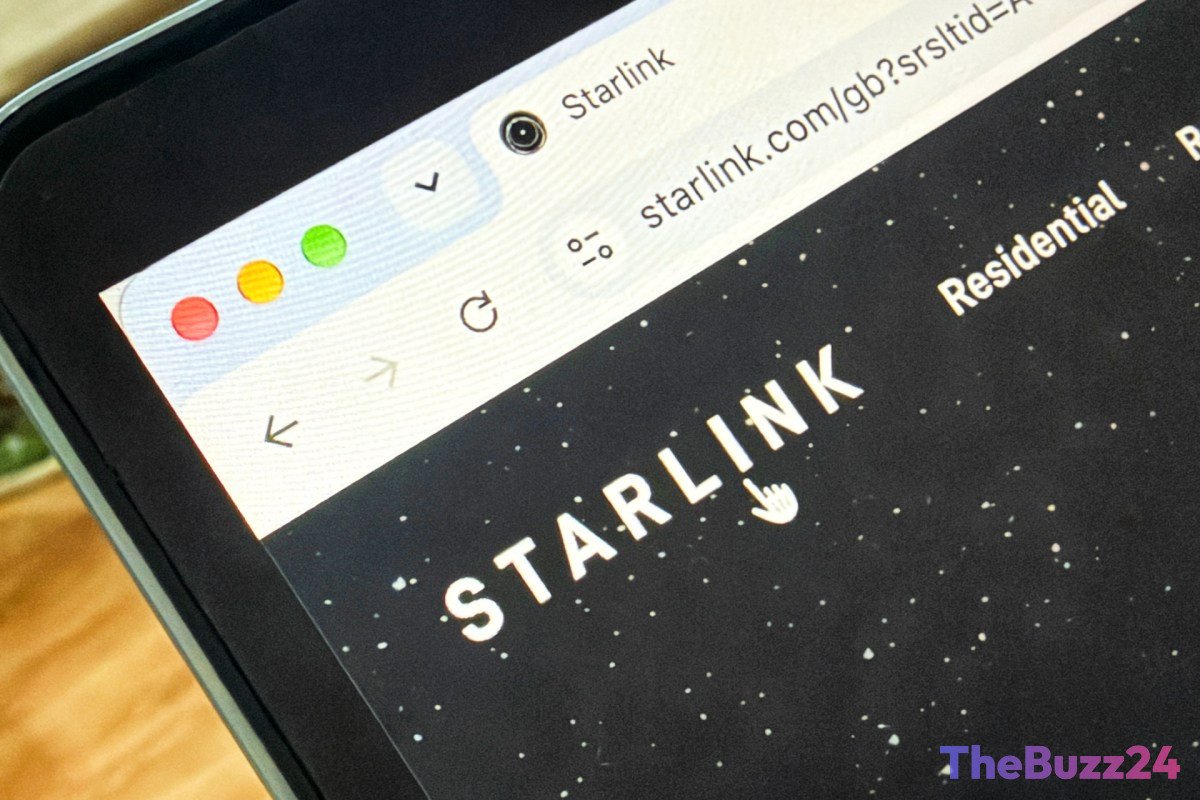
SpaceX founder Elon Musk has publicly questioned the influence of Indian billionaire Mukesh Ambani as Starlink faces ongoing regulatory hurdles in its bid to launch satellite internet services in India. Musk took to social media platform X to express his frustration, accusing unnamed “oligarchs” of maintaining a monopolistic grip on the country’s telecommunications sector. He argued that these delays are preventing the rollout of affordable, high-speed internet to millions of underserved citizens across India.
In response to the accusations, India’s Ministry of Communications defended its regulatory framework, asserting that the process is entirely fair and non-discriminatory. The ministry clarified that Starlink, along with two other licensed satellite operators, is currently undergoing mandatory security assessments. These security clearances are a prerequisite before any company can be allocated the radio frequencies necessary to transmit satellite signals.
Despite the regulatory pushback, Starlink executives have reaffirmed their commitment to entering the Indian market. The company has already established over 20 ground stations and hundreds of antennas within the country, adapting its infrastructure to comply with local data sovereignty and security laws. Starlink has positioned its satellite network as a complementary service to India’s existing terrestrial networks rather than a direct competitor.
The dispute highlights a deeper competitive battle in India’s telecom sector. Local giants Reliance Jio and Bharti Airtel, which have partnered with other global satellite operators like SES and Eutelsat OneWeb, previously lobbied for satellite spectrum to be auctioned. While Starlink successfully advocated for administrative allocation—a cheaper alternative—the company still awaits final clearance to begin commercial operations, even as it successfully launches services in neighboring Bangladesh.
Key Takeaways
- Elon Musk has accused Indian business interests of blocking Starlink's entry to maintain a monopoly on the country's internet market.
- India's Ministry of Communications denied any bias, stating that Starlink is undergoing the same standard security assessments as other operators.
- Despite having infrastructure in place and winning a key regulatory battle over spectrum allocation, Starlink's commercial launch in India remains stalled.
Editor’s Analysis & Impact
The public clash between Elon Musk and India’s regulatory framework underscores the intense geopolitical and economic stakes of the satellite internet race. India represents a massive, untapped market with over a billion internet subscribers, making it a crown jewel for global satellite providers. However, domestic telecom giants like Reliance Jio and Bharti Airtel are fiercely protective of their market share and are actively developing their own satellite partnerships. While Starlink secured a major victory when India decided to allocate spectrum administratively rather than through an expensive auction, the current security-clearance delays demonstrate that regulatory hurdles can still be used as a powerful bottleneck. Moving forward, SpaceX must navigate these complex political dynamics carefully; aggressive public call-outs by Musk could either pressure regulators to expedite the process or backfire by hardening the government’s stance.
Frequently Asked Questions
Q: Why is Starlink's launch in India delayed?
A: The launch is delayed due to ongoing regulatory and security assessments by India's Ministry of Communications, which must be completed before the company can be allocated the necessary satellite spectrum.
Q: What is the disagreement regarding spectrum allocation?
A: Starlink advocated for satellite spectrum to be assigned administratively, which is cheaper and faster, while Indian telecom operators like Reliance Jio pushed for an auction model. The Indian government ultimately sided with Starlink's preferred administrative approach.
Q: Has Starlink launched in other South Asian countries?
A: Yes, Starlink recently launched its mobile satellite service in neighboring Bangladesh, even as its entry into the Indian market remains stalled.
AI Disclosure: This article is based on verified data and official reports. Our Team and AI have cross-referenced every financial detail with primary sources to ensure total accuracy.
More from this Category