SpaceX’s Starlink Expansion Plans Send Shockwaves Through Telecom Sector, Major Carriers Plummet
The telecommunications industry experienced significant turbulence on Friday following an announcement from Elon Musk’s SpaceX regarding its acquisition of a nationwide spectrum portfolio. This strategic move, aimed at bolstering Starlink’s internet services with mobile capabilities, triggered a sharp decline in the stock values of established U.S. cellular providers.
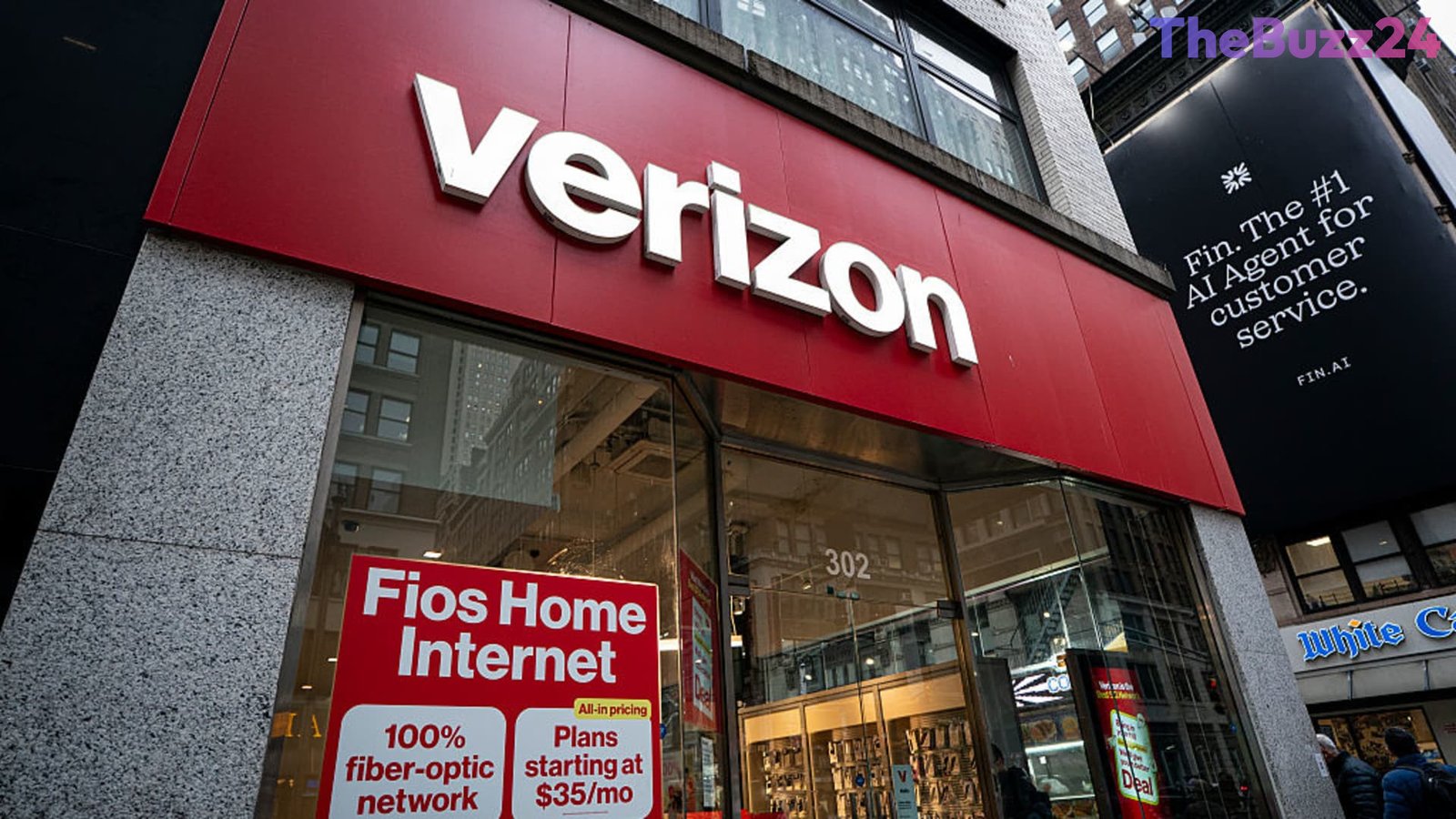
Verizon shares closed down 8.75%, marking its most substantial single-day drop since July 2002. Similarly, T-Mobile saw its stock fall by 13.27%, the worst performance since 2013, while AT&T experienced a 9.81% decline, its steepest since 2000. In contrast, SpaceX’s stock registered a modest gain of approximately 1% on the day, reflecting investor optimism about its expanded ambitions.
The core of the deal involves SpaceX acquiring a license portfolio of up to 14 megahertz of paired spectrum in the 800 MHz band from Grain Management. This acquisition is a critical step for SpaceX as it seeks to integrate its satellite-based Starlink service with terrestrial mobile connectivity, potentially creating a more robust and competitive offering in the U.S. market.
FCC Chair Brendan Carr commented on the development, emphasizing that increased competition in the spectrum market is beneficial for American consumers. He noted the substantial amount of spectrum expected to enter the market in the coming years, fostering innovation and competitive dynamics. While acknowledging the market shifts, Carr reiterated that the agency’s role is not to favor specific companies but to ensure a fair and competitive environment. Industry analysts from firms like Evercore ISI and JPMorgan have lauded the acquisition, viewing it as a foundational step for Starlink Mobile’s long-term viability, though they caution that building a competitive terrestrial network will require significant time, infrastructure, and capital, posing limited immediate risk to current wireless incumbents.
Key Takeaways
- SpaceX's acquisition of a nationwide spectrum portfolio for Starlink Mobile caused significant stock drops for major telecom carriers like Verizon, T-Mobile, and AT&T.
- Verizon experienced its worst trading day since 2002, T-Mobile since 2013, and AT&T since 2000, highlighting the market's reaction to potential new competition.
- The deal, involving 14 megahertz of 800 MHz spectrum from Grain Management, is seen by analysts as a crucial step for Starlink to build a more comprehensive mobile network, though immediate competitive threat to incumbents is considered limited.
Editor’s Analysis & Impact
SpaceX’s foray into the terrestrial mobile spectrum market marks a pivotal moment for the U.S. telecommunications industry. This move signals a significant escalation in competition, potentially disrupting the long-standing dominance of traditional carriers. While the immediate impact on incumbent stocks was severe, the long-term implications are more nuanced. Starlink Mobile’s success hinges on substantial infrastructure investment and regulatory navigation, suggesting that a fully competitive terrestrial network is still years away. However, the acquisition enhances Starlink’s credibility as a future mobile player, pushing existing providers to accelerate innovation and improve services. For consumers, this could translate into more diverse and potentially more affordable connectivity options, especially in underserved areas. The FCC’s stance on fostering competition underscores a regulatory environment open to new entrants, setting the stage for a dynamic and evolving market landscape.
Frequently Asked Questions
Q: What is the significance of SpaceX acquiring a nationwide spectrum portfolio?
A: SpaceX's acquisition of spectrum is crucial for its Starlink service to expand beyond satellite-only internet into mobile services. This allows Starlink to potentially offer direct-to-device connectivity, competing more directly with traditional cellular providers and enhancing its overall network capabilities.
Q: Why did the stocks of Verizon, T-Mobile, and AT&T fall so sharply?
A: The sharp decline in the stocks of major telecom carriers reflects investor concern over increased competition. SpaceX's entry into the terrestrial mobile market, backed by its Starlink satellite network, is perceived as a significant threat to the market share and profitability of established providers, leading to a sell-off.
Q: What is the role of the FCC in this deal?
A: The FCC (Federal Communications Commission) is the regulatory body that oversees the approval of spectrum deals and ensures fair competition in the telecommunications market. FCC Chair Brendan Carr has indicated that the agency views increased competition in the spectrum market as beneficial for American consumers, suggesting a supportive stance for new entrants that can foster innovation.
AI Disclosure: This article is based on verified data and official reports. Our Team and AI have cross-referenced every financial detail with primary sources to ensure total accuracy.
More from this Category