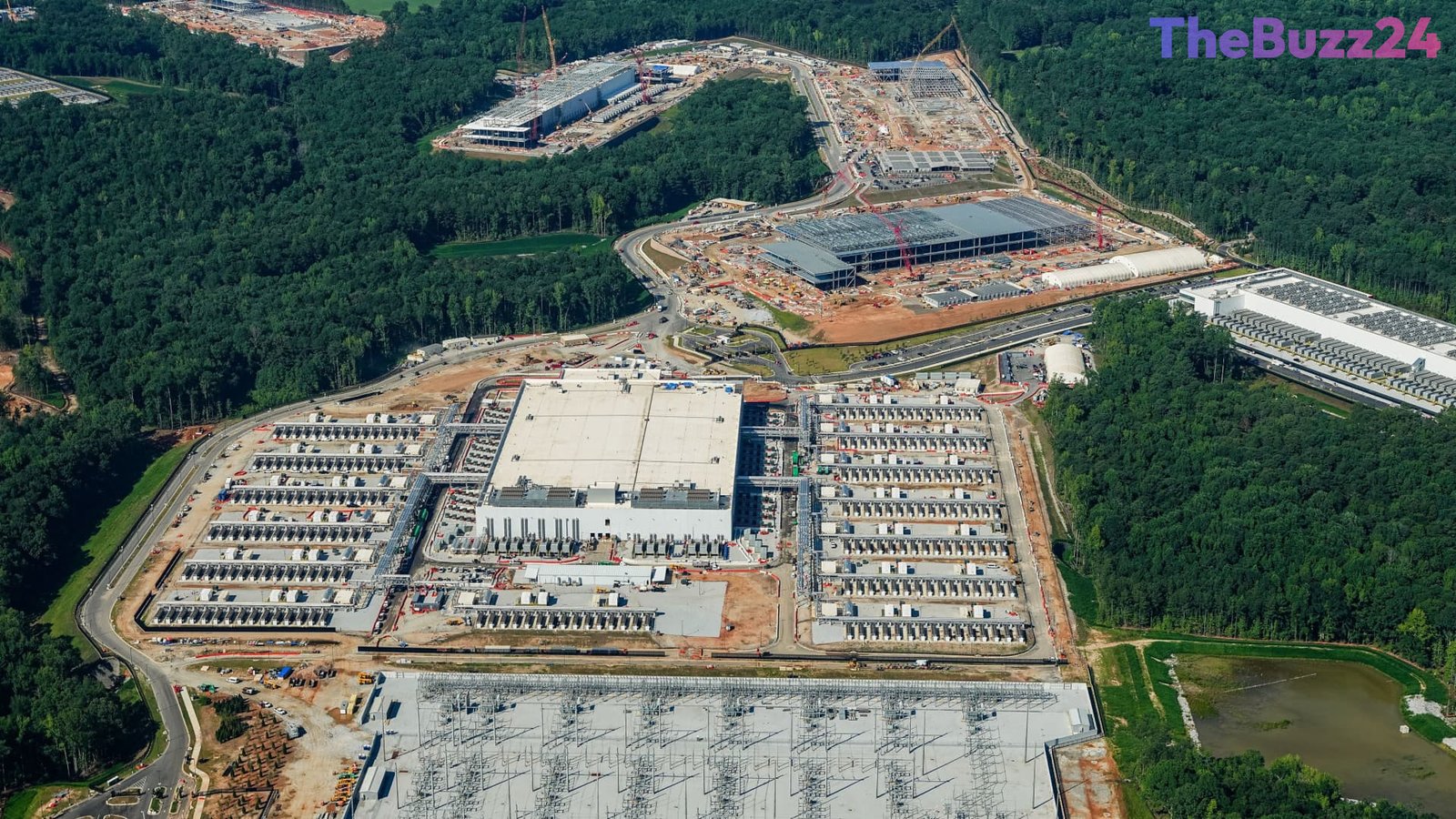
The Data Center Gold Rush: Why Wall Street’s Latest Real Estate Bet Faces Growing Headwinds
Wall Street is aggressively positioning data centers as the next frontier of real estate investment, banking on the explosive growth of artificial intelligence to drive long-term returns. Major alternative investment firms, including Blackstone, Brookfield, and Blue Owl, are increasingly packaging these digital infrastructure assets into public and private investment vehicles. By offering investors a stake in the physical facilities that power platforms like ChatGPT and Gemini, these firms aim to capitalize on the massive demand for cloud computing and AI-driven data storage.
However, the sector is encountering significant friction as it attempts to scale. While firms like Blackstone have launched public real estate investment trusts (REITs) to capture market share, many of these new offerings have seen share prices struggle since their debut. The enthusiasm from institutional investors is currently being tempered by a growing wave of public and political opposition. Across the United States, local communities are increasingly pushing back against the construction of massive data center campuses, citing concerns over power consumption, environmental impact, and the strain on local infrastructure. This backlash has already resulted in moratoriums in states like New York and Texas, complicating project timelines and threatening the return assumptions baked into these funds.
Beyond political and regulatory hurdles, the data center industry faces inherent operational risks. These facilities are capital-intensive, requiring constant access to reliable electricity and cooling systems. Any disruption, whether caused by natural disasters, construction delays, or regulatory force majeure events, can jeopardize the stability of rental income. Furthermore, experts warn that retail investors should exercise caution, noting that the underlying infrastructure of these funds is often designed for institutional-grade, long-term commitments rather than the liquidity needs of individual traders. As the market matures, the success of these investments will depend on the ability of developers to navigate a complex landscape of local opposition and technical requirements.
Key Takeaways
- Major investment firms are aggressively packaging data centers into REITs to capitalize on the AI infrastructure boom.
- The sector faces significant headwinds from bipartisan public opposition and new state-level moratoriums on construction.
- Investors are warned that data center funds are capital-intensive and may lack the liquidity expected by retail market participants.
Editor’s Analysis & Impact
The push to financialize data centers represents a classic ‘infrastructure-as-an-asset-class’ play, mirroring the historical growth of telecommunications and logistics real estate. However, the current market environment is uniquely volatile. The primary implication is a shift from ‘growth at all costs’ to a more scrutinized regulatory environment. As AI demand continues to outpace energy grid capacity, the bottleneck for these investments will likely shift from capital availability to permitting and power procurement. Future outlooks suggest that while the long-term demand for data storage is undeniable, the ‘AI premium’ currently priced into these REITs may face downward pressure as projects encounter delays. Investors should expect a period of consolidation where only the most strategically located and energy-efficient facilities maintain their valuation, while speculative projects in politically sensitive regions face increased risk of impairment.
Frequently Asked Questions
Q: Are data center REITs considered safe investments?
A: While they offer exposure to the growing digital economy and stable rental income from tech giants, they are subject to market volatility, regulatory risks, and high construction costs. They are generally considered long-term, capital-intensive investments rather than short-term plays.
Q: Why are local communities opposing new data center construction?
A: Opposition is largely driven by concerns over the massive amount of electricity and water required to operate these facilities, which can strain local power grids and resources, as well as the physical footprint these large campuses have on local landscapes.
AI Disclosure: This article is based on verified data and official reports. Our Team and AI have cross-referenced every financial detail with primary sources to ensure total accuracy.
More from this Category