NBA Seeks Access to Prediction Market Data to Combat Insider Trading
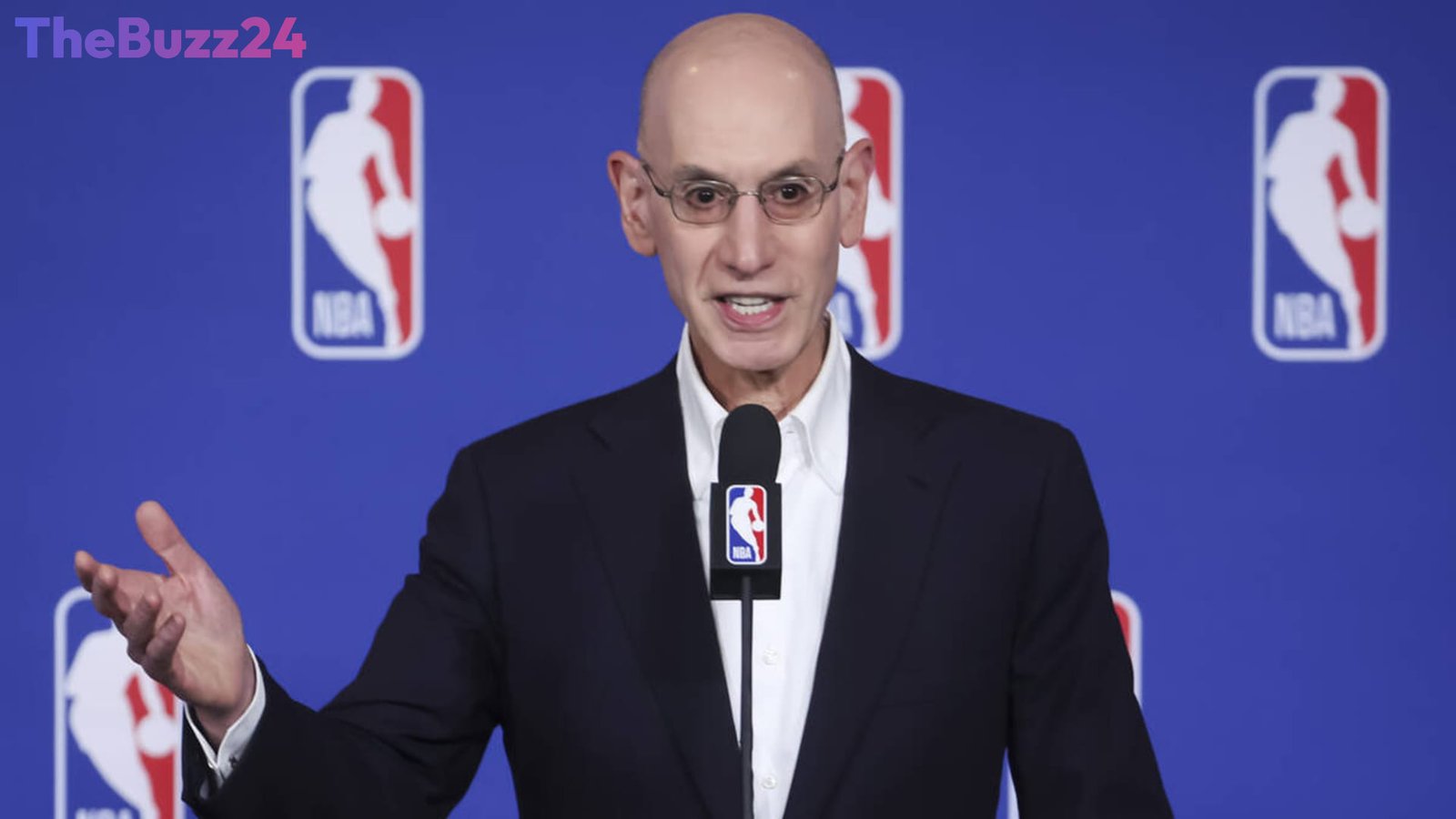
NBA Commissioner Adam Silver has expressed a strong desire for the league to gain access to data from prediction markets, a move aimed at enhancing its ability to detect and prevent insider trading and other integrity-related issues.
Silver articulated that regardless of how these platforms are labeled – whether as prediction markets or sports betting – the core concerns for professional sports leagues remain the same: safeguarding the integrity of the game. He emphasized the league’s interest not only in accessing the data but also in having a degree of control over these markets, particularly when contracts are tied to events like coaching changes.
This push for transparency and oversight comes as the National Football League (NFL) recently filed an amicus brief with the Supreme Court. The NFL’s filing supports New Jersey regulators and argues that contracts based on sports outcomes on prediction markets should be classified as gambling, subject to state regulation, rather than financial swaps, which fall under federal oversight by the Commodity Futures Trading Commission (CFTC). The NFL’s brief also highlighted concerns about potential market manipulation, especially regarding contracts linked to player injuries or performance metrics.
Both leagues are advocating for a consistent regulatory approach. While the NFL has proposed a minimum age of 21 for traders, mirroring the age requirement for sportsbooks in many states, Silver echoed this sentiment but stressed the importance of federal authority to ensure a unified national policy. This coordinated effort by major sports leagues underscores a growing concern about the intersection of prediction markets and the integrity of professional sports.
Key Takeaways
- The NBA wants access to prediction market data to detect insider trading and protect game integrity.
- The NFL has filed a Supreme Court brief arguing prediction market contracts are gambling, not financial swaps.
- Both leagues are seeking consistent national regulations for prediction markets, with a proposed minimum age of 21 for traders.
Editor’s Analysis & Impact
The increasing overlap between prediction markets and sports betting presents a complex regulatory challenge for professional sports leagues. The NBA and NFL’s coordinated efforts signal a proactive stance to maintain competitive fairness and prevent illicit activities like insider trading. Gaining access to market data could provide crucial insights into potential manipulation, especially concerning player performance or coaching changes. The debate over federal versus state regulation highlights the evolving landscape of financial and gambling markets, with significant implications for how these platforms operate and are overseen. A unified approach could streamline compliance and bolster public trust in the integrity of both sports and the markets that attempt to predict their outcomes.
Frequently Asked Questions
Q: What is a prediction market?
A: A prediction market is a type of exchange where users can trade contracts whose payoffs depend on the outcome of future events. These can range from political elections to sports outcomes or economic indicators.
Q: Why are sports leagues interested in prediction market data?
A: Sports leagues are interested in prediction market data primarily to safeguard the integrity of their games. Access to this data can help them identify potential insider trading, market manipulation, or other activities that could compromise fair play and betting.
Q: What is the difference between gambling and financial swaps in this context?
A: In the context of prediction markets, the distinction is crucial for regulatory purposes. Gambling typically refers to betting on uncertain outcomes, often regulated at the state level. Financial swaps are derivative contracts used in finance, typically regulated federally by bodies like the CFTC. Sports leagues argue that contracts based on sports events are closer to gambling.
AI Disclosure: This article is based on verified data and official reports. Our Team and AI have cross-referenced every financial detail with primary sources to ensure total accuracy.
More from this Category