Trillion-Dollar AI Infrastructure Boom Faces Political Scrutiny Ahead of Key Midterm Elections
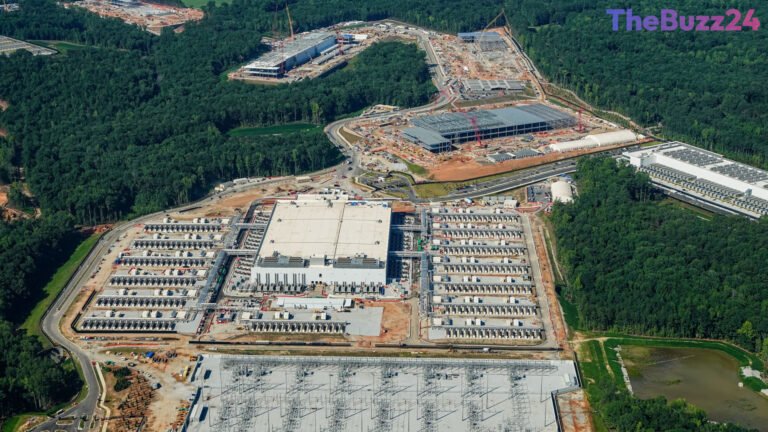
The upcoming congressional elections have emerged as a critical pivot point for the artificial intelligence industry, with an estimated $5 trillion in global capital expenditures projected through 2030 hanging in the balance. As technology giants race to expand physical computational capacity, the composition of Capitol Hill will decisively influence regulatory frameworks, zoning laws, and grid allocations essential for ongoing AI data center developments.
Public scrutiny and local pushback against massive data center developments have intensified in recent months. Communities across the nation are raising concerns over skyrocketing energy demands, water consumption for cooling systems, and the acute strain placed on regional electrical grids. These environmental and infrastructural impacts are pushing data center development into local and federal political arenas, prompting lawmakers to consider tighter oversight and restrictions on new industrial facilities.
Despite mounting grassroots resistance, financial markets remain relatively composed. Investors and market strategists are actively modeling prospective election outcomes, operating under the assumption that severe legislative constraints will face steep hurdles. Even if a divided or hostile Congress attempts to pass aggressive legislation curbing data center construction, the likelihood of executive intervention—specifically presidential veto power—provides a reassuring backstop for major corporate investors.
Ultimately, the intersection of legislative politics and technological infrastructure highlights the growing pains of the generative AI revolution. While institutional capital remains abundant, the industry’s sustained expansion will hinge on how effectively tech giants navigate community opposition, negotiate utility access, and adapt to shifting regulatory tides in Washington.
Key Takeaways
- Trillions in projected AI infrastructure investments through 2030 face potential regulatory friction depending on the makeup of the next Congress.
- Community opposition against data center expansion is mounting over concerns regarding intense power demand, grid strain, and water usage.
- Wall Street remains relatively confident that potential federal restrictions will be mitigated by presidential veto power.
Editor’s Analysis & Impact
The conflict between rapid artificial intelligence scaling and municipal resource limits marks a critical transition phase for the broader technology ecosystem. While Wall Street treats computational infrastructure as the indispensable backbone of the next technological era, local communities are bearing immediate costs through grid congestion, land displacement, and heightened utility burdens. This dynamic transforms artificial intelligence infrastructure from a purely financial play into a volatile political issue. Investors betting on sustained corporate capital expenditure must look beyond algorithmic breakthroughs and factor in the physical realities of utility capacity and environmental zoning. In the long term, enterprises that proactively integrate renewable energy solutions and lower their footprint will fare far better against regulatory headwinds than those relying solely on federal political stalemates to shield their assets.
Frequently Asked Questions
Q: Why is public opposition growing against artificial intelligence data centers?
A: Local pushback primarily stems from the immense resource consumption of these facilities, notably heavy electricity demands that strain public power grids and extensive water usage required for cooling systems.
Q: How much capital expenditure is expected for AI infrastructure by 2030?
A: Industry projections estimate that capital spending toward AI infrastructure and data center construction could reach approximately $5 trillion globally by 2030.
Q: Why is Wall Street unbothered by potential legislative threats to data centers?
A: Financial markets largely believe that even if Congress drafts stringent limits on infrastructure expansion, executive branch protections—such as a presidential veto—will likely prevent aggressive measures from becoming law.
AI Disclosure: This article is based on verified data and official reports. Our Team and AI have cross-referenced every financial detail with primary sources to ensure total accuracy.
More from this Category