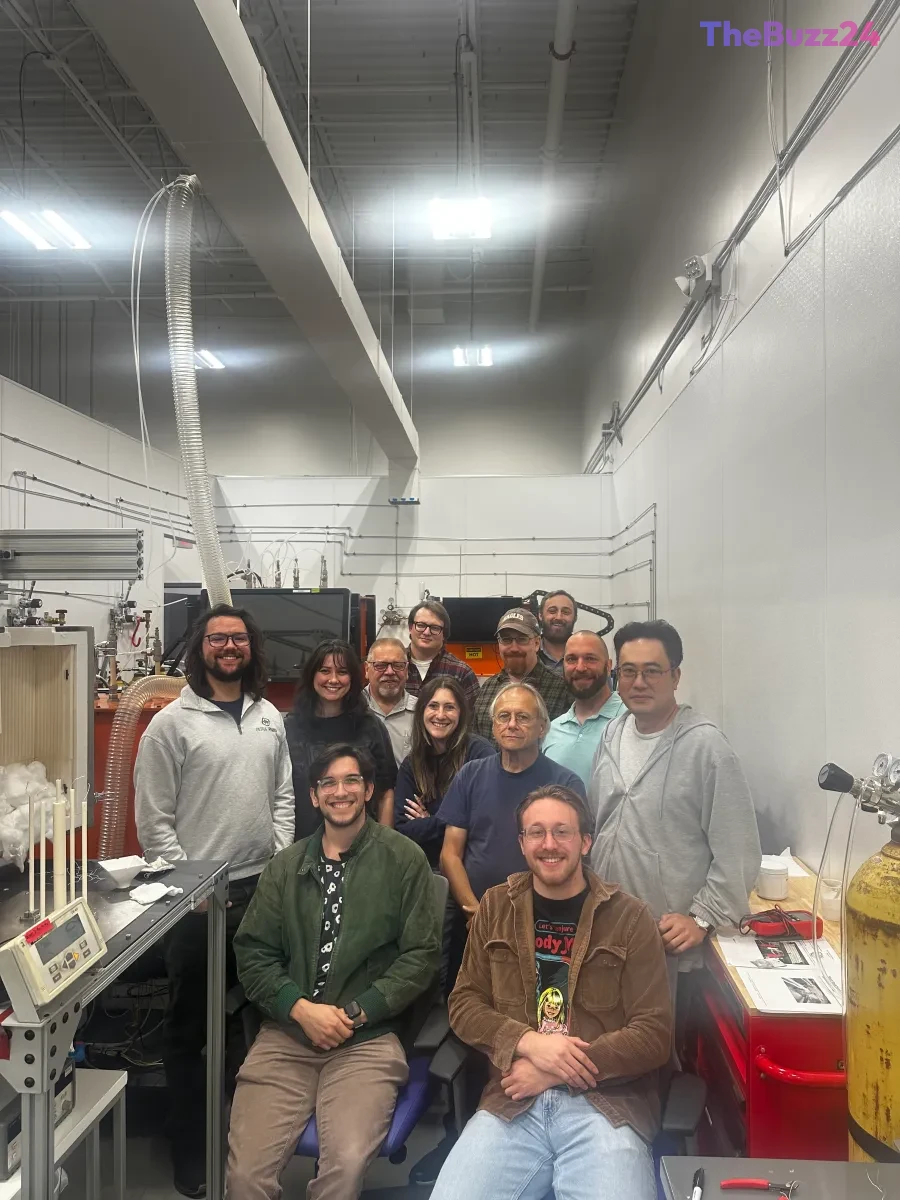
Inside Petra Power’s Mission to Revolutionize Energy for AI Data Centers and Military Vehicles
The exponential surge in artificial intelligence workloads has triggered an unprecedented demand for reliable, efficient, and cost-effective energy solutions. Amid this power crunch, clean-tech innovators are developing next-generation hardware to bypass the inherent inefficiencies of traditional combustion-based power generation. Among the firms tackling this challenge is Petra Power, an enterprise founded in 2017 that specializes in advanced solid oxide fuel cells designed to transform how heavy-duty industries consume electricity.
Traditional power generation relies on a multi-step combustion process that converts fuel into explosions, heat, and mechanical motion before finally generating electricity, resulting in massive energy losses. In contrast, Petra Power’s ceramic devices operate by directly stripping electrons from fuels such as natural gas to generate electricity in a single step. According to company leadership, this electrochemical approach dramatically cuts down on fuel costs, minimizes physical footprints, and significantly lowers emissions compared to conventional generators.
To scale its technology, Petra Power is actively targeting two major sectors: digital infrastructure providers and defense agencies. While discussions with major hyperscale cloud providers remain ongoing, the company is currently collaborating with emerging neocloud infrastructure operators, eyeing initial deployments by 2028 and full-scale production by 2029. Simultaneously, the firm is working closely with the United States Department of Defense to supply auxiliary power units for land vehicles, allowing onboard electronics to run efficiently while main engines remain powered down.
Operating with a lean team of approximately 15 employees, Petra Power has already secured nearly $9 million in defense contracts to test and validate its technology. As the energy demands of AI data centers continue to outpace existing power grid capacities, innovations like solid oxide fuel cells could offer a vital bridge toward a more sustainable and decentralized industrial power future.
Key Takeaways
- Petra Power utilizes solid oxide fuel cells to convert fuel directly into electricity without combustion, drastically reducing energy waste.
- The company is targeting the rapidly growing AI data center market and defense vehicle applications as its primary growth verticals.
- Petra Power has secured nearly $9 million in defense contracts and aims for initial commercial deployments by 2028.
Editor’s Analysis & Impact
The intersection of artificial intelligence and energy infrastructure is arguably the defining bottleneck of the current technological era. As hyperscalers and cloud providers exhaust local grid capacities, alternative on-site power generation is transitioning from a luxury to a necessity. Petra Power’s solid oxide fuel cell technology addresses this by offering high-efficiency power generation with a minimal physical footprint. However, the path from prototype to commercial deployment is fraught with regulatory, manufacturing, and scaling hurdles—particularly when dealing with risk-averse enterprise clients and government defense agencies. If Petra can successfully hit its 2028 deployment targets, it could carve out a lucrative niche in decentralized power. Investors and industry observers will be closely watching how these early neocloud and military partnerships mature against the backdrop of an increasingly power-starved digital economy.
Frequently Asked Questions
Q: What is a solid oxide fuel cell?
A: A solid oxide fuel cell is a ceramic device that converts fuel, such as natural gas, directly into electricity through an electrochemical reaction without burning it, avoiding the massive energy losses associated with traditional combustion.
Q: What industries is Petra Power targeting?
A: Petra Power is primarily targeting AI data center infrastructure providers (such as neoclouds and hyperscalers) and the U.S. Defense Department for military land vehicle auxiliary power.
Q: When does Petra Power expect full-scale production?
A: The company is targeting initial deployments by 2028, with full-scale production and commercial rollout anticipated around 2029.
AI Disclosure: This article is based on verified data and official reports. Our Team and AI have cross-referenced every financial detail with primary sources to ensure total accuracy.
More from this Category