Geopolitical Crossroads: Putin Delivers Iran’s Peace Plan to Trump as Russia Boosts Global Diesel Supply
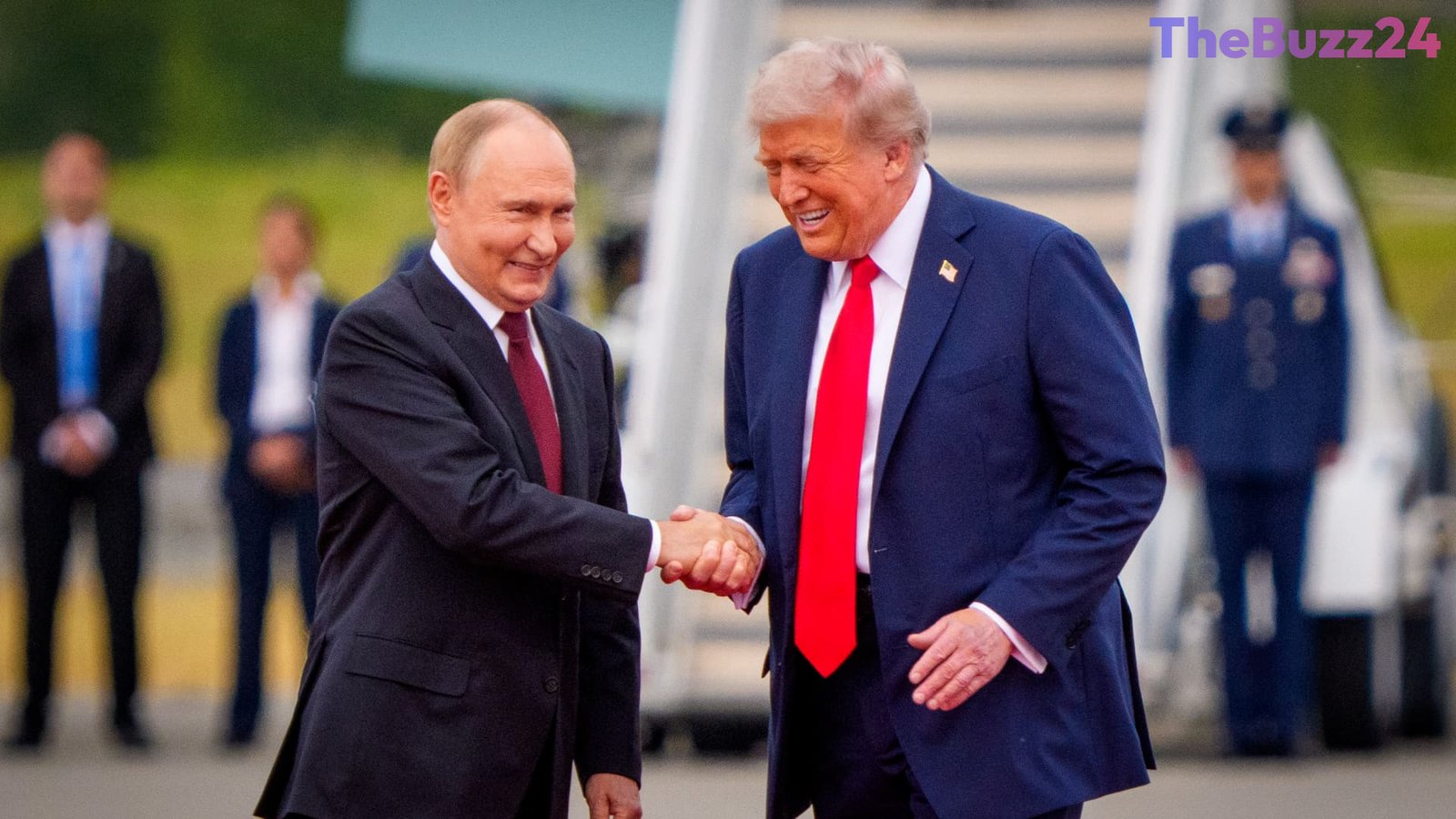
Russian President Vladimir Putin reportedly conveyed Iran’s perspective on a potential resolution to the ongoing conflict in Iran to former U.S. President Donald Trump. This diplomatic exchange occurred following a meeting between Putin and Iranian President Masoud Pezeshkian on the sidelines of a summit in Turkmenistan. The specifics of Iran’s proposed path to ending the conflict, which began with U.S. and Israeli airstrikes on Iranian targets, were not immediately detailed.
This development comes as Trump announced an agreement for Russia to supply a significant volume of diesel to the global market. Under the arrangement, which Trump stated he finalized with Putin during a phone call, Russia is set to deliver over 4 million tons of diesel. Initial shipments include more than 300,000 tons immediately, followed by 500,000 tons in November, and an additional 1 million tons shortly thereafter, with further deliveries contingent on Russia’s refinery capacity. The U.S. Treasury Department issued a temporary waiver on sanctions for Russian diesel through April 2027 to facilitate this deal.
The global energy market has seen surging diesel prices, partly due to the conflicts in Iran and Ukraine, and attacks on refineries. Iran has intensified its actions against oil tankers in the Strait of Hormuz, aiming to disrupt crude exports, with vessels reportedly coming under fire almost daily. A senior Iranian Revolutionary Guard official indicated that Iran intends to block all “illicit routes” through the Strait. These actions coincide with a rebound in Middle Eastern crude oil exports to pre-war levels in September, largely attributed to U.S. military escorts for ships through Hormuz. An earlier interim deal between the U.S. and Iran to pause hostilities had quickly collapsed.
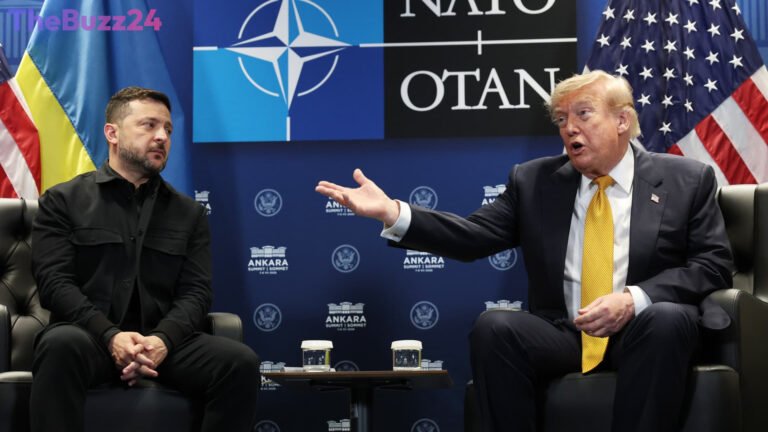
Ukrainian President Volodymyr Zelenskyy swiftly condemned Trump’s diesel agreement with Putin, warning that easing sanctions without a commitment from Russia to de-escalate the war would only prolong the conflict. Zelenskyy emphasized that such “gifts to Putin” would not foster peace and would enable further aggression. The deal also surfaces amidst growing political pressure on Trump to address high fuel prices, particularly impacting key demographics like farmers in conservative states ahead of upcoming elections.
Key Takeaways
- Russian President Vladimir Putin conveyed Iran's proposal for resolving the ongoing conflict to former U.S. President Donald Trump.
- Trump announced a deal for Russia to supply over 4 million tons of diesel to the global market, facilitated by a temporary U.S. sanctions waiver.
- Ukrainian President Volodymyr Zelenskyy strongly criticized the diesel deal, asserting it would prolong the war and empower Russia.
Editor’s Analysis & Impact
The Russian diesel deal, despite existing sanctions, could temporarily stabilize global energy prices, particularly for diesel, which has seen significant surges. However, it also signals a potential weakening of the international sanctions regime against Russia, which could have long-term implications for energy markets and geopolitical leverage. Iran’s actions in the Strait of Hormuz further complicate global oil supply chains, adding volatility.
This diplomatic and economic maneuvering suggests a complex and shifting geopolitical landscape. The U.S. Treasury’s waiver on Russian diesel sanctions could be a pragmatic move to address domestic fuel prices, but it risks alienating allies like Ukraine and undermining broader efforts to isolate Russia. The interaction between Putin and Trump, even out of office, highlights the enduring influence of key figures on international relations. The deal raises questions about the coherence of Western foreign policy towards Russia and the effectiveness of sanctions, potentially emboldening Russia and Iran.
Frequently Asked Questions
Q: What was the primary diplomatic message conveyed by Putin to Trump?
A: Russian President Vladimir Putin conveyed Iran's perspective and proposals for a potential resolution to the ongoing conflict in Iran to former U.S. President Donald Trump.
Q: What is the significance of the diesel supply deal announced by Trump?
A: The deal involves Russia supplying over 4 million tons of diesel to the global market, facilitated by a temporary waiver on U.S. sanctions. It aims to address surging global diesel prices but has drawn criticism for potentially undermining sanctions against Russia.
Q: How did Ukraine react to the agreement?
A: Ukrainian President Volodymyr Zelenskyy condemned the diesel deal, arguing that easing sanctions on Russia without a commitment to de-escalation would only prolong the war and empower Russia's aggressive actions.
AI Disclosure: This article is based on verified data and official reports. Our Team and AI have cross-referenced every financial detail with primary sources to ensure total accuracy.
More from this Category