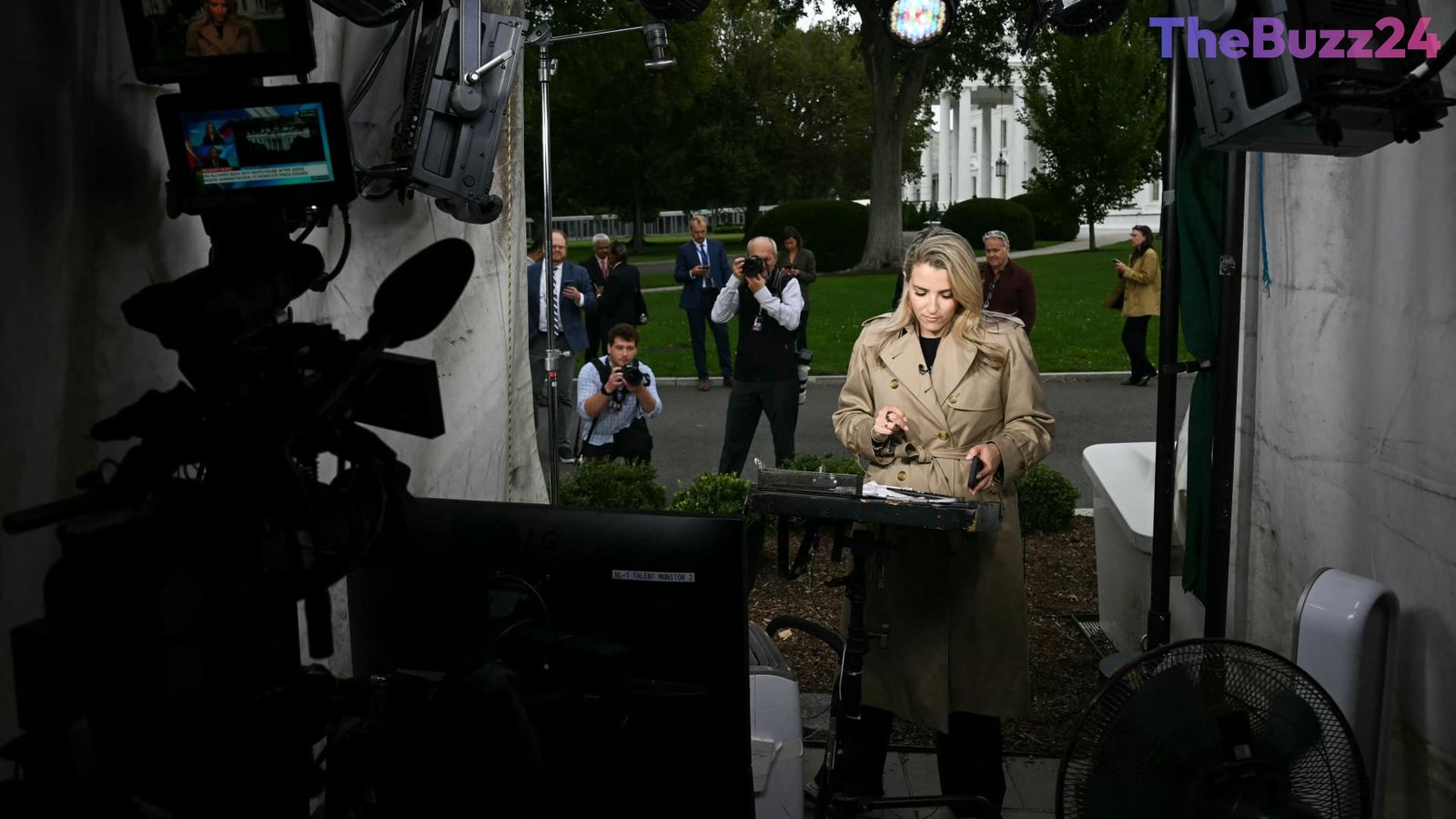
DOJ Probes White House Press Pool Over Antitrust Concerns Amidst Press Freedom Debate
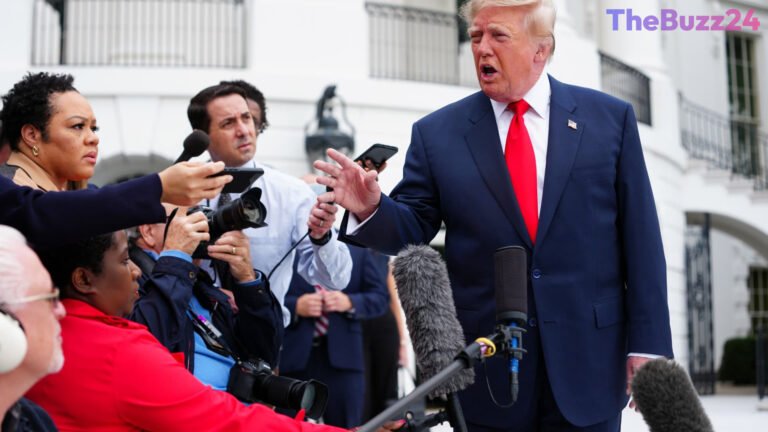
The U.S. Department of Justice has launched an inquiry into whether the White House television press pool’s decision to suspend coverage of President Donald Trump last month constituted a violation of antitrust law. A spokesperson for the agency confirmed the investigation, noting that collaborative boycotts among business competitors could potentially contravene U.S. statutes. The Antitrust Division’s objective is solely to ascertain if these news organizations have breached antitrust regulations.
This investigation follows an extraordinary sequence of events where the five-broadcaster television pool ceased its presidential coverage. This action was taken after the administration had barred CNN, MS NOW, and Politico from accessing the White House. The three excluded news organizations subsequently filed a lawsuit, leading to a judge temporarily lifting the ban. Consequently, television pool coverage of the White House has since resumed.
The ongoing situation highlights a broader contention surrounding press access and the extent to which any entity, including the presidency, can influence or control the content of news reports. This dynamic is often viewed as a fundamental aspect of free speech and a cornerstone of American democracy. Jose Zamora, the regional director for the Americas at the Committee to Protect Journalists, voiced strong criticism of the administration’s decision to initiate an antitrust investigation, stating that the government should not weaponize such probes to intimidate news outlets defending their access, as the public’s right to information relies heavily on such access.
Key Takeaways
- The U.S. Department of Justice is investigating the White House television press pool for potential antitrust violations.
- The probe stems from the pool's decision to halt coverage after CNN, MS NOW, and Politico were temporarily barred from the White House.
- Press freedom advocates, including the Committee to Protect Journalists, have criticized the DOJ's investigation as a potential act of intimidation against news organizations.
Editor’s Analysis & Impact
This DOJ investigation introduces a complex intersection of antitrust law and press freedom, potentially setting a significant precedent for media organizations. The inquiry could have a chilling effect on how news outlets collectively respond to government restrictions, forcing them to weigh legal risks against their role in upholding press access. For the media industry, it raises questions about the legality of coordinated actions in defense of journalistic principles. The broader implications touch upon the delicate balance of power between the executive branch and the press, and how regulatory bodies might be perceived when intervening in disputes over news coverage. This situation underscores the ongoing tension in defining the boundaries of press independence in a democratic society.
Frequently Asked Questions
Q: What is the U.S. Department of Justice investigating regarding the White House press pool?
A: The U.S. Department of Justice is investigating whether the White House television press pool's decision to halt coverage of President Donald Trump last month violated antitrust law, specifically concerning potential group boycotts among business competitors.
Q: Why did the White House television press pool temporarily cease its coverage?
A: The television press pool, comprising five broadcasters, ceased coverage after the administration barred CNN, MS NOW, and Politico from the White House. This collective action was a response to the perceived restriction on press access.
Q: What is the Committee to Protect Journalists' view on this investigation?
A: Jose Zamora, regional director for the Americas at the Committee to Protect Journalists, criticized the administration's decision to investigate, arguing that the government should not use antitrust probes to intimidate news outlets defending press access, as it is crucial for the public's right to know.
AI Disclosure: This article is based on verified data and official reports. Our Team and AI have cross-referenced every financial detail with primary sources to ensure total accuracy.
More from this Category