Google Expands Wearable Lineup with New Fitbit Edge Smart Tracker
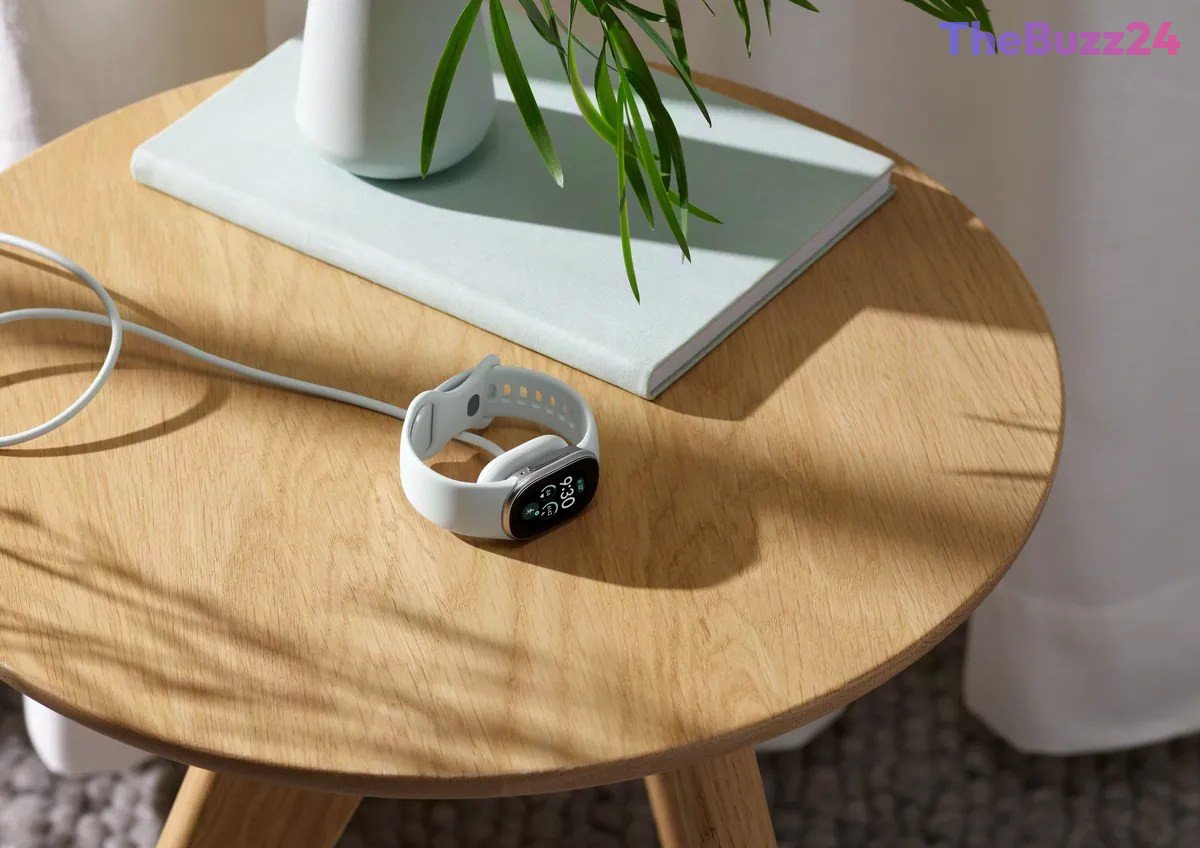
Google has officially expanded its wearable technology portfolio with the launch of the Fitbit Edge, a device designed to bridge the gap between the entry-level Fitbit Air and the premium Pixel Watch. Priced at $179.99, the new tracker features a slim form factor paired with a vibrant OLED display, allowing users to manage notifications, view map directions, check weather updates, and control music playback directly from their wrist.
A core component of the Fitbit Edge experience is its integration with Google Health Coach, an AI-driven service powered by Gemini. By leveraging a user’s health and fitness data, the coach generates personalized weekly workout routines that adapt to individual schedules, provided the user maintains a Google Health Premium subscription. Additionally, the device includes the Health Guardian feature, which monitors long-term health trends, specifically focusing on indicators related to blood pressure and insulin resistance.
Fitness enthusiasts will benefit from the device’s ability to automatically recognize and log over 100 different activities, supported by more than 50 dedicated exercise modes. Google has also prioritized hardware improvements, noting that the built-in GPS is 40% more accurate than previous iterations, while sleep-stage detection has seen a 15% improvement in precision. The device is water-resistant up to 50 meters and offers a battery life of up to seven days.
The Fitbit Edge is currently available for preorder via the Google Store, with retail availability scheduled for October 27. It launches in four standard colors—Obsidian, Fog, Olive, and Canyon—alongside a special edition model featuring Stephen Curry, which retails for $219.99.
Key Takeaways
- The Fitbit Edge is positioned as a mid-range wearable between the Fitbit Air and the Pixel Watch, retailing at $179.99.
- The device utilizes AI-powered Google Health Coach and Health Guardian features to provide personalized fitness routines and long-term health monitoring.
- Hardware upgrades include a 40% more accurate GPS and 15% improved sleep-stage detection, with a battery life lasting up to one week.
Editor’s Analysis & Impact
The introduction of the Fitbit Edge represents a strategic move by Google to solidify its dominance in the mid-range wearable market. By positioning this device between its basic trackers and the high-end Pixel Watch, Google is effectively capturing consumers who desire advanced health-tracking features and AI integration without the premium price tag of a full smartwatch. The emphasis on Gemini-powered health coaching suggests that Google is betting heavily on software-as-a-service (SaaS) models to drive long-term revenue through its Health Premium subscriptions. As the wearable market becomes increasingly saturated, the success of the Fitbit Edge will likely hinge on the perceived value of its AI health insights compared to competitors like Garmin or Apple. If the Health Guardian feature proves reliable, it could set a new standard for preventative health monitoring in consumer electronics.
Frequently Asked Questions
Q: Does the Fitbit Edge require a subscription to use all features?
A: While the device functions as a tracker, the AI-powered Google Health Coach requires a Google Health Premium subscription to generate personalized workout plans and routines.
Q: What is the battery life of the Fitbit Edge?
A: The Fitbit Edge is rated for up to seven days of battery life on a single charge.
AI Disclosure: This article is based on verified data and official reports. Our Team and AI have cross-referenced every financial detail with primary sources to ensure total accuracy.
More from this Category