Ultrahuman Partners with Abu Dhabi to Launch National Biological-Age Model in UAE
Health technology startup Ultrahuman has secured a strategic partnership with the Abu Dhabi Public Health Center to engineer and validate a novel biological-age model. Spanning a two-year memorandum of understanding, the initiative intends to integrate clinical biomarkers with continuous data streams from popular wearable devices to evaluate how rapidly an individual is aging, while simultaneously isolating lifestyle metrics such as sleep patterns, metabolic health, and physical activity that influence longevity.
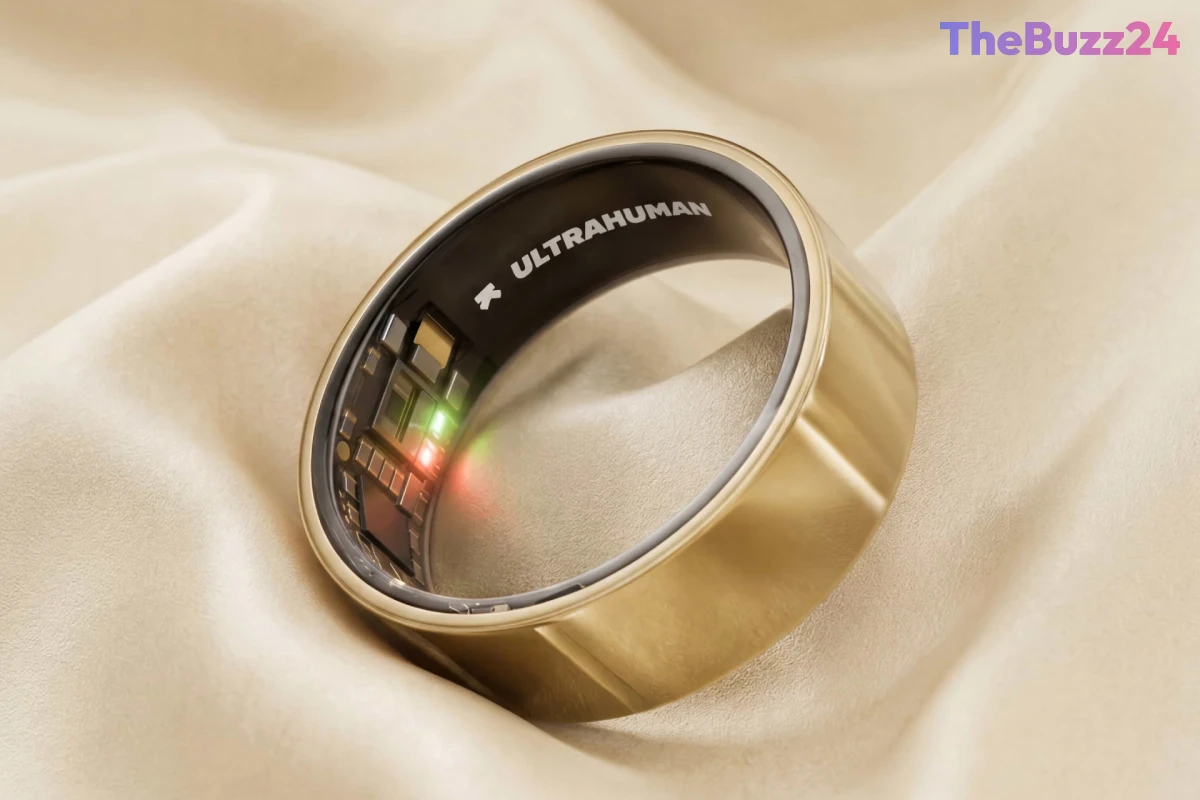
By collaborating directly with regional government entities, Ultrahuman is executing a strategic pivot from a traditional hardware manufacturer into a comprehensive health-data enterprise. While the company has successfully distributed hundreds of thousands of its signature smart rings worldwide, leadership emphasizes that the ultimate value lies in the sophisticated analytics derived from the incoming physiological data rather than the physical form factor itself. This government-level agreement allows the algorithms to scale across an entire national demographic rather than remaining restricted to the company’s existing consumer base.
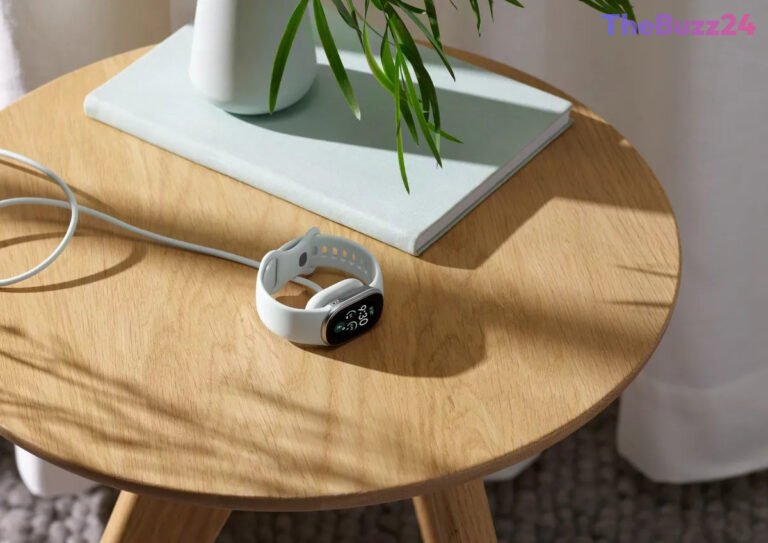
Significantly, the newly designed biological-age system is being built to remain hardware-agnostic, meaning it can ingest telemetry from various wrist-worn gadgets, patches, and smart rings alongside standard clinical blood work. Residents in the region will ultimately be able to monitor their physiological aging metrics via official government digital health platforms. Although the two-year timeline is currently designated for intensive research and clinical validation phases, the initiative marks a major milestone in deploying digital preventive health models at a national scale.
Key Takeaways
- Ultrahuman signed a two-year agreement with the Abu Dhabi Public Health Center to develop a national biological-age model.
- The health tracking system will be wearable-agnostic, accepting data from diverse devices and clinical biomarkers.
- Residents in the UAE will eventually access their biological age scores through official government digital health applications.
Editor’s Analysis & Impact
The partnership between Ultrahuman and the Abu Dhabi Public Health Center highlights a broader, lucrative industry trend: hardware makers transitioning into software and data analytics platforms. By embedding proprietary algorithms into national health infrastructures, wearable tech companies can bypass the limitations of niche consumer demographics and tap into population-scale preventive medicine. This move not only solidifies Ultrahuman’s footprint in the Middle East—one of its fastest-growing and most retentive markets—but also intensifies the competitive race against rivals like Oura, who are similarly vying for government partnerships in the Gulf region to validate their biometric software ecosystems.
Frequently Asked Questions
Q: What is the primary goal of the Ultrahuman and Abu Dhabi Public Health Center partnership?
A: The partnership aims to develop and validate a biological-age model that combines clinical biomarkers with wearable data to estimate individual aging rates and identify lifestyle factors affecting health across the UAE.
Q: Will users need a specific brand of wearable device to use the biological-age model?
A: No, the model is being designed as wearable-agnostic, meaning it can process data from various rings, straps, patches, and watches alongside clinical markers.
Q: How will residents in the UAE access their health age data?
A: Individuals will eventually be able to view their biological age metrics through government-backed digital health platforms operating in the region, such as TAMM and Sahatna.
AI Disclosure: This article is based on verified data and official reports. Our Team and AI have cross-referenced every financial detail with primary sources to ensure total accuracy.
More from this Category