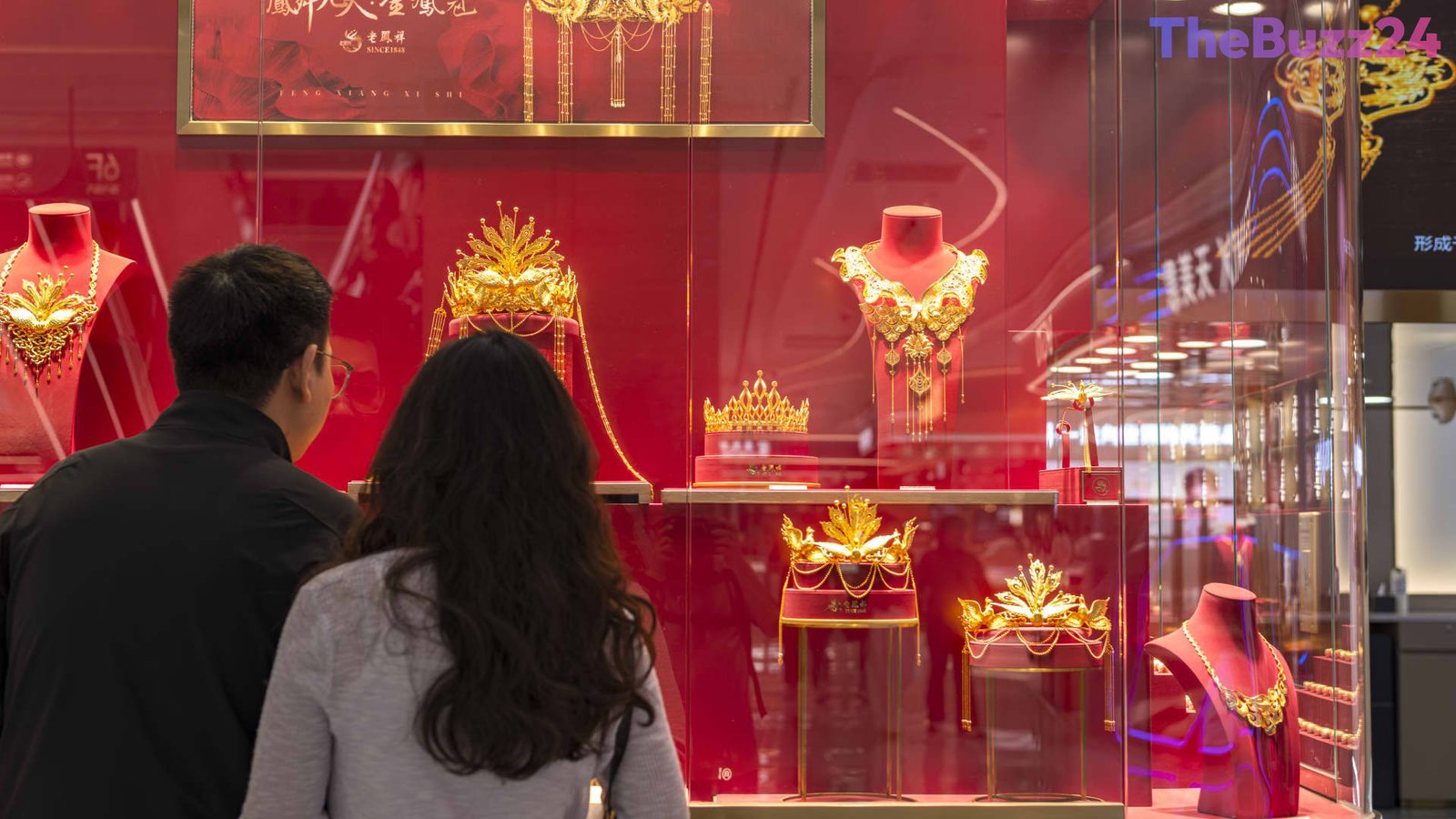
China’s Gold Rush and Hong Kong’s Yuan Hub: A Strategic Challenge to Dollar Dominance
China has been consistently increasing its gold reserves for nearly two years, a strategic move that aligns with broader efforts to bolster the international standing of its currency, the yuan. This sustained accumulation of the precious metal is complemented by Hong Kong’s ambitious plans to emerge as a global gold trading hub, specifically facilitating transactions denominated in the Chinese currency. This initiative represents a significant step in Beijing’s long-term strategy to diversify its financial system away from its heavy reliance on the U.S. dollar.
The push for yuan internationalization is gaining momentum through Hong Kong’s development as a gold trading center. Charles Chang, managing director and Greater China country lead for corporate ratings at S&P Global Ratings, explained that as yuan-denominated trading volumes expand, it will create more channels for the currency’s use in global transactions, offering an alternative to the dollar-dominated financial system. Hong Kong, a major financial hub, confirmed its commitment to this vision last month, building on a previous move to link its gold vault with Shanghai’s. This linkage allows for physical gold delivery to international institutions in yuan. Chang also pointed out that Hong Kong aims to dramatically increase the capacity of its Shanghai-linked gold vault from 150 tonnes to over 2,000 tonnes within the next three years, a scale nearly equivalent to China’s entire gold reserves. If completed, this would establish Hong Kong as one of the largest gold trading centers globally.
This gold accumulation by China, which currently holds over 2,300 tonnes compared to the U.S.’s over 8,100 tonnes, is seen by experts as reinforcing the credibility of the yuan’s internationalization drive. Hao Zhou, head of research and chief economist at Guotai Junan International in Hong Kong, stated that by steadily increasing gold reserves, Beijing is strengthening the long-term backing of its financial system and reducing reliance on dollar-denominated reserve assets. While gold alone will not determine the yuan’s global role, he noted it enhances confidence in the currency and supports broader efforts to expand its use. Xia Yingying, head of the precious metals and new energy research group at Hangzhou-based Nanhua Futures, suggested that this trend, alongside other central bank gold purchases, will gradually weaken the U.S. dollar’s monopolistic position in the global reserve system in the medium to long term. This strategic shift also occurs as U.S. Treasury Secretary Scott Bessent recently appointed gold-standard supporter Judy Shelton as a senior advisor focused on China, highlighting the ongoing global financial rebalancing. Beyond financial transactions, China’s comprehensive strategy extends to controlling the source, with significant investments in gold mines across Latin America, Africa, and Asia, indicating a long-term, multifaceted approach to its gold ambitions.
Key Takeaways
- China has been consistently increasing its gold reserves for nearly two years as part of a strategic financial diversification.
- Hong Kong is developing into a major yuan-denominated gold trading hub, aiming to significantly expand its vault capacity.
- These efforts are key components of China's long-term strategy to internationalize the yuan and reduce global reliance on the U.S. dollar.
Editor’s Analysis & Impact
China’s aggressive gold accumulation and Hong Kong’s emergence as a yuan-denominated gold trading hub signal a deliberate and multifaceted strategy to reshape the global financial landscape. This move, while unlikely to immediately dethrone the U.S. dollar, represents a significant long-term challenge to its hegemony. For the market, this could lead to increased demand for gold, potentially supporting its price, and a gradual shift in international trade and investment flows towards the yuan. The broader implications extend to geopolitical dynamics, as nations seek greater financial autonomy and diversification away from a single dominant reserve currency. This trend suggests a more multipolar global financial system emerging, with potential impacts on currency valuations, reserve management strategies, and the overall stability of international finance.
Frequently Asked Questions
Q: Why is China significantly increasing its gold reserves?
A: China is increasing its gold reserves as part of a strategic effort to diversify its national assets, strengthen the backing of its financial system, and reduce its long-term reliance on the U.S. dollar. This move also aims to bolster confidence in the yuan as it seeks greater international use.
Q: How does Hong Kong's gold trading hub support China's goals?
A: Hong Kong's plan to become a global gold trading hub, specifically facilitating yuan-denominated transactions, provides a crucial platform for the internationalization of the Chinese currency. It creates more avenues for the yuan to be used in trade and investment, thereby expanding its global reach and offering an alternative to dollar-linked transactions.
Q: Will these actions immediately replace the U.S. dollar as the world's primary reserve currency?
A: While China's actions are a significant step towards challenging the U.S. dollar's dominance, analysts do not expect an immediate replacement. The U.S. dollar remains deeply entrenched in the global financial system. However, these efforts, combined with similar trends from other nations, are anticipated to gradually weaken the dollar's monopolistic position in the medium to long term, fostering a more diversified global reserve system.
AI Disclosure: This article is based on verified data and official reports. Our Team and AI have cross-referenced every financial detail with primary sources to ensure total accuracy.
More from this Category