Luxury Giant LVMH Stumbles in Q3 Amid Weak Chinese Demand, Raising Industry Concerns
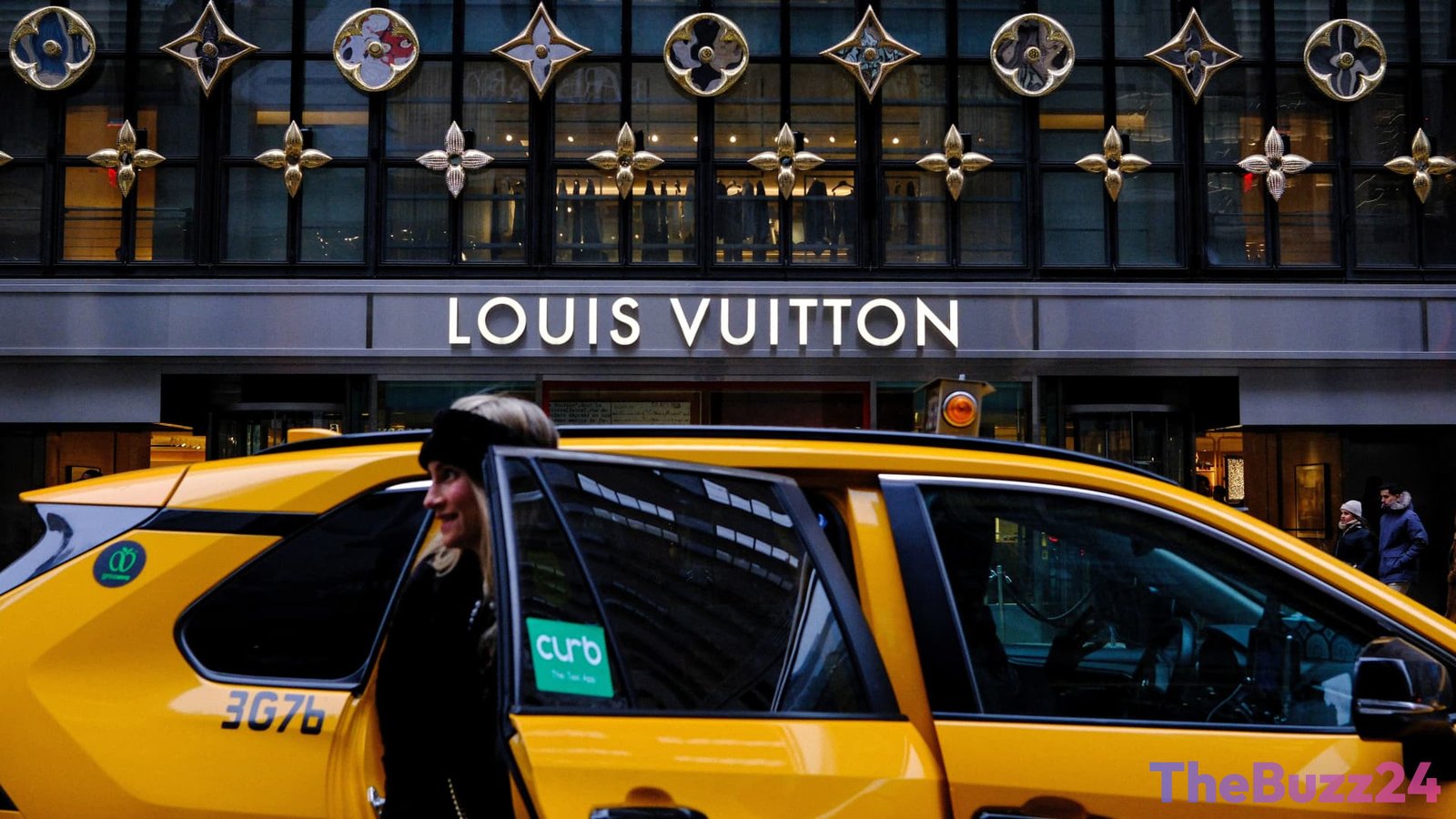
LVMH Moët Hennessy Louis Vuitton, the world’s largest luxury conglomerate, reported weaker-than-anticipated organic sales growth for the third quarter, signaling potential headwinds for the broader luxury industry. The disappointing performance was primarily driven by a significant deterioration in demand for its prominent fashion and leather brands, including Louis Vuitton and Dior, particularly in the crucial Chinese market. This update from a key sector player is likely to intensify concerns about the luxury market’s ability to regain momentum after a prolonged slowdown.
During the quarter, LVMH’s organic sales, which exclude currency fluctuations, increased by a modest 1% year-over-year, reaching €18.5 billion ($20.7 billion). This figure fell short of analysts’ consensus expectations of a 1.3% growth. The fashion and leather goods division, a powerhouse contributing nearly half of the group’s total revenue, experienced a 5% organic sales decline, a sharper drop than the anticipated 1.8%. This downturn reflects a challenging environment that has seen leading European luxury groups collectively lose approximately €330 billion in market value since the beginning of the year, with LVMH alone accounting for a substantial portion of this reduction.
Geographically, sales in Asia, heavily influenced by China, saw a 5% decrease compared to the previous year, contrasting with a 5% rise in the United States. LVMH Chief Financial Officer Cecile Cabanis attributed the Asian decline specifically to “a sharp macro-led deterioration in Chinese consumer sentiment, with a tangible impact on discretionary expenses.” The luxury sector is navigating multiple challenges, including a recent tax crackdown on wealthy individuals in China, ongoing geopolitical tensions, and signs of softening consumer spending in Western markets.
Adding to the complexities, individual brands within the LVMH portfolio have faced specific issues. Louis Vuitton, the group’s largest brand, encountered a public backlash in China over a copyright dispute with a tea chain, Molly Tea, which allegedly used a logo resembling Louis Vuitton’s iconic floral motif. Such incidents, amplified on social media, underscore the delicate balance luxury brands must maintain in key growth markets.
Key Takeaways
- LVMH's Q3 organic sales growth of 1% missed expectations, primarily due to a 5% decline in its fashion and leather goods division.
- Weak Chinese consumer demand was a major factor, with sales in Asia falling 5%, while US sales rose 5%.
- The results heighten concerns for the broader $350 billion luxury industry, which has already seen European luxury groups lose significant market value this year.
Editor’s Analysis & Impact
This news from LVMH, a bellwether for the luxury sector, signals a significant slowdown that could impact the entire industry. The pronounced weakness in Chinese demand, exacerbated by macro-economic factors and a tax crackdown, suggests a challenging environment for high-end brands reliant on this crucial market. While the US market shows some resilience, it’s unlikely to fully offset the decline from Asia. The broader implication is a potential recalibration of growth expectations across the luxury landscape, forcing companies to innovate in customer engagement and diversify market strategies. Investors should anticipate continued volatility and a shift towards more cautious spending, particularly in discretionary luxury items, until global economic uncertainties stabilize and Chinese consumer confidence recovers. This could lead to increased competition and potentially more aggressive promotional activities in the short term.
Frequently Asked Questions
Q: What caused LVMH's sales decline in Q3?
A: The primary cause was a significant deterioration in demand for its fashion and leather brands, particularly from Chinese consumers, alongside broader macro-economic challenges and a tax crackdown on wealthy individuals in China.
Q: How did different geographical markets perform for LVMH?
A: Sales in Asia, largely driven by China, fell by 5% year-over-year, while sales in the United States saw a 5% increase.
Q: What does LVMH's performance imply for the wider luxury industry?
A: As the world's largest luxury group and an industry bellwether, LVMH's disappointing results heighten concerns that the entire $350 billion luxury sector will struggle to regain momentum, facing a prolonged slowdown and increased market volatility.
AI Disclosure: This article is based on verified data and official reports. Our Team and AI have cross-referenced every financial detail with primary sources to ensure total accuracy.
More from this Category