Tehran Fortifies Key Sites Amid Rising Tensions, Regional Incidents Escalate
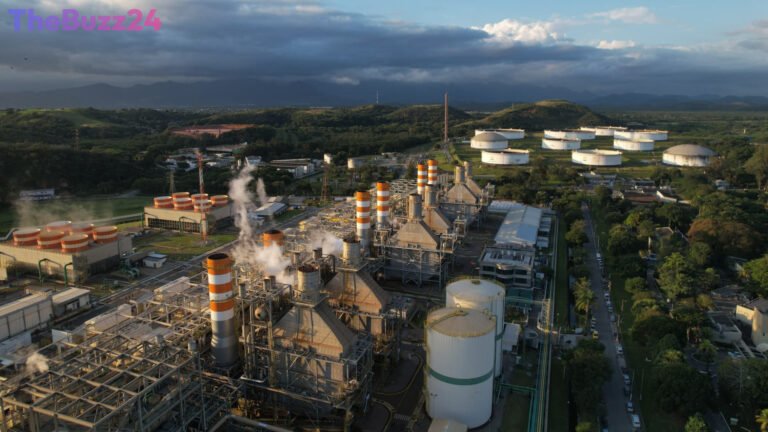
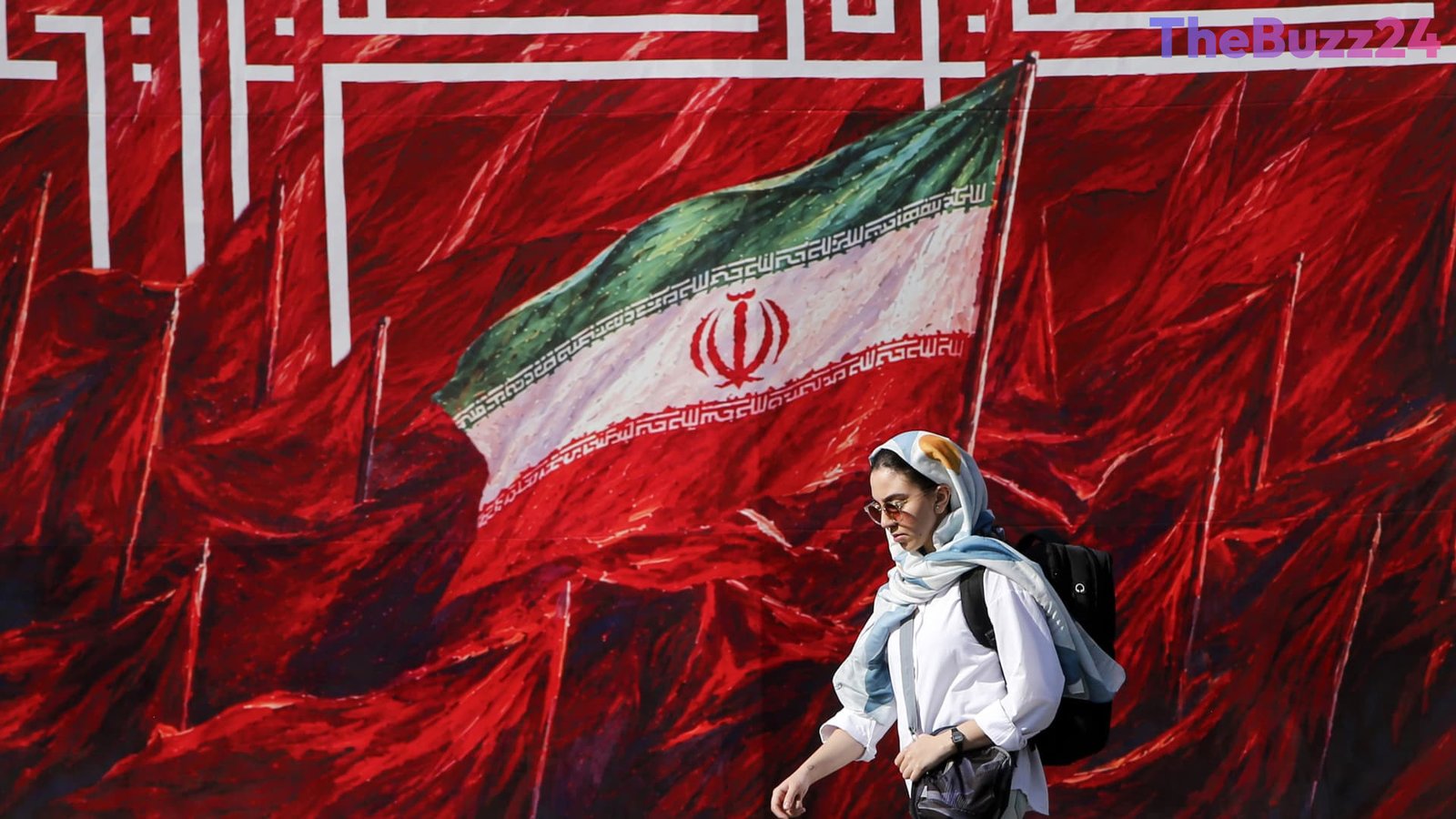
Iran is reportedly bolstering its defenses at sensitive locations, including nuclear facilities, as it prepares for potential renewed U.S. military actions. Reports indicate that Tehran is also mobilizing public support and vowing widespread retaliation across the Middle East in response to any future strikes. This comes as U.S. President Donald Trump previously stated that American forces would not initiate an attack on Iran before the congressional midterm elections.
Internally, the Iranian regime is said to be preparing its population for potential conflict. This includes organizing rallies, deploying paramilitaries to share war stories with children, and promoting training for defensive missile operations. These measures underscore a heightened state of alert within the country, though both the Iranian and U.S. governments have not immediately commented on these specific reports.
The escalating tensions are not confined to direct U.S.-Iran relations, with several regional incidents highlighting the volatile climate. A Saudi-led coalition recently intercepted a ballistic missile targeting Riyadh, the Saudi capital, launched by the Houthis—a Yemeni militant group reportedly backed by Tehran. The Houthis have intensified attacks on Saudi Arabia, striking energy facilities and airports, which led to casualties and the extended closure of King Khalid International Airport in Riyadh. The U.S. Federal Aviation Administration has since advised airlines to exercise caution when operating in or near Saudi Arabian airspace.
Further afield, the United Kingdom has also reported an alleged Iranian-linked threat. U.K. Prime Minister Andy Burnham informed British lawmakers that an attempted attack on an air force base in England was “almost certainly directed by Iran’s Islamic Revolutionary Guard.” Following this, U.K. Foreign Minister Ed Miliband summoned the Iranian ambassador to convey that “Britain will not tolerate threats on our soil.” British police made arrests in connection with the alleged threat to RAF Fairford, a Royal Air Force base previously utilized by the U.S. Air Force for strikes against Iranian missile sites. President Trump later confirmed the relocation of U.S. long-range bombers from the U.K. in response to an unspecified “threat.”
Key Takeaways
- Iran is actively fortifying nuclear sites and preparing its populace for potential conflict, vowing widespread retaliation if attacked.
- Regional tensions are escalating, evidenced by Houthi missile attacks on Saudi Arabia, a group reportedly backed by Tehran.
- Allegations of Iranian-directed threats extend internationally, including an attempted attack on a U.K. air base, prompting diplomatic and military responses.
Editor’s Analysis & Impact
The current developments signal a dangerous escalation in the long-standing geopolitical standoff involving Iran, the U.S., and their respective allies. The fortification of Iranian sites and public mobilization efforts indicate a proactive stance in anticipation of potential military confrontation, which could significantly impact global oil markets, shipping routes, and regional investment stability. The increasing frequency and scope of proxy conflicts, such as the Houthi attacks on Saudi Arabia, underscore the fragility of peace in the Middle East and the potential for miscalculation to trigger a broader conflict. The alleged Iranian-linked threat in the U.K. further demonstrates the international reach of these tensions, suggesting that the post-U.S. midterm period could be a critical juncture for diplomatic and military actions, with profound implications for international security and trade.
Frequently Asked Questions
Q: Why is Iran reportedly fortifying its nuclear sites?
A: Iran is reportedly strengthening its defenses at sensitive locations, including nuclear facilities, in anticipation of potential renewed U.S. military strikes. This is part of a broader strategy to prepare for possible conflict and deter aggression.
Q: What is the significance of the Houthi attacks on Saudi Arabia?
A: The Houthi attacks on Saudi targets, including energy facilities and airports, are seen as a significant escalation of regional tensions. These attacks are attributed to a Yemeni militant group reportedly backed by Tehran, further highlighting the proxy conflicts in the Middle East and their potential to disrupt regional stability and global energy supplies.
Q: How has the international community reacted to these developments?
A: The U.S. President stated no attacks would occur before midterms, while the U.S. FAA issued a travel advisory for Saudi airspace. The U.K. summoned Iran's ambassador and made arrests following an alleged Iranian-directed threat to a British air base, indicating serious international concern and diplomatic action in response to the escalating tensions.
AI Disclosure: This article is based on verified data and official reports. Our Team and AI have cross-referenced every financial detail with primary sources to ensure total accuracy.
More from this Category