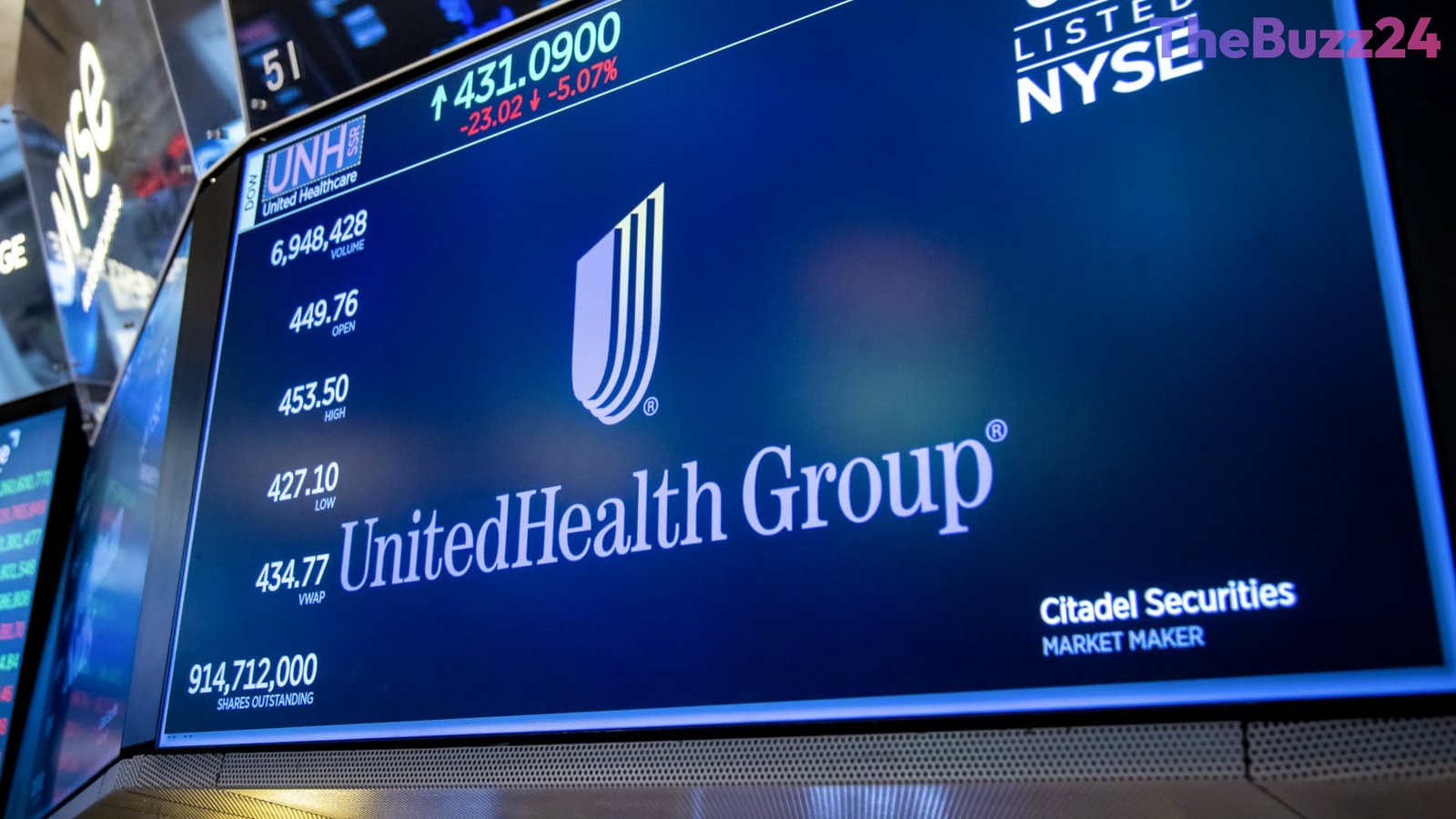
UnitedHealth Group Surpasses Q3 Projections, Elevates 2026 Profit Outlook Amid Strategic Cost Management
UnitedHealth Group, the nation’s largest private insurer, announced robust third-quarter financial results, significantly exceeding analyst expectations and subsequently elevating its full-year profit forecast. The company’s strong performance comes as it continues to navigate and effectively manage elevated medical costs, attributing success to strategic investments in value-based care models and artificial intelligence.
For the third quarter, UnitedHealth Group reported net income of $4.11 billion, or $4.56 per share, a substantial increase from $2.35 billion, or $2.59 per share, in the same period last year. Excluding certain items, adjusted earnings reached $4.69 per share. Revenue for the quarter stood at $112.69 billion, surpassing the $111.40 billion anticipated by Wall Street analysts. Both the company’s insurance arm, UnitedHealthcare, and its healthcare services unit, Optum, outperformed operating earnings estimates. Looking ahead, the healthcare giant now projects adjusted earnings of at least $20.50 per share for fiscal 2026, an increase from its previous outlook of $19.50 to $20 per share.
The company’s turnaround strategy is gaining momentum, marked by three consecutive strong quarters. Key to this strategy is stabilizing margins by optimizing membership, exiting unprofitable contracts, and intensifying investments in value-based care. This approach ties compensation for doctors and facilities to patient health outcomes, quality of care, and cost-effectiveness, rather than the volume of services. Despite a medical cost ratio of 88.4% for the quarter, which was better than the 89.9% analysts expected, the company’s CFO noted that overall medical costs remain elevated compared to historical norms, particularly for inpatient services and specialty pharmacy drugs. The independent dispute resolution (IDR) process under the No Surprises Act is also contributing to increased claims costs.
However, the focus on value-based care is yielding tangible benefits, with acute hospital admissions among members decreasing by 15% year-over-year through the third quarter, while home health admissions rose by 10%. This indicates a successful shift of patients to lower-cost, preferred care settings. Furthermore, UnitedHealth is leveraging AI-powered ambient listening tools to alleviate administrative burdens for physicians, allowing more time for patient interactions. Patient-initiated appointment scheduling also saw a 27% increase. These initiatives are expected to have a compounding positive effect on medical cost management well into 2027 as they continue to expand.
Key Takeaways
- UnitedHealth Group significantly surpassed Q3 earnings estimates and raised its fiscal 2026 profit outlook.
- The company is actively managing elevated medical costs through strategic investments in value-based care and artificial intelligence.
- Key initiatives include shifting care to lower-cost settings, reducing administrative burdens with AI, and optimizing membership to stabilize margins.
Editor’s Analysis & Impact
UnitedHealth Group’s impressive third-quarter performance and elevated profit outlook send a strong positive signal across the health insurance sector. Their success in managing persistent medical cost pressures through strategic investments in value-based care and AI could serve as a blueprint for other industry players. This proactive approach not only demonstrates financial resilience but also highlights a commitment to efficiency and improved patient outcomes, potentially setting new industry standards. The increasing integration of technology, particularly AI, into healthcare operations signals a broader industry shift towards more streamlined and data-driven care delivery. This trend is likely to foster innovation, enhance operational efficiencies, and ultimately influence policy discussions around healthcare costs and quality, benefiting both providers and consumers in the long run.
Frequently Asked Questions
Q: What is value-based care and how does UnitedHealth Group utilize it?
A: Value-based care is a healthcare delivery model where providers are compensated based on patient health outcomes, quality of care, and cost-effectiveness, rather than the volume of services provided. UnitedHealth Group utilizes this model to control medical costs by steering patients toward appropriate providers and emphasizing preventive care, leading to shifts like increased home health admissions and reduced acute hospital stays.
Q: How is artificial intelligence (AI) impacting UnitedHealth Group's operations?
A: UnitedHealth Group is deploying AI to enhance efficiency and reduce costs. Specifically, AI-powered ambient listening tools are being used to decrease physicians' administrative burdens, freeing up more time for patient visits. Additionally, AI contributes to improved appointment scheduling, with patient-initiated scheduling increasing significantly.
Q: What is the 'No Surprises Act' and how does it affect UnitedHealth Group's costs?
A: The No Surprises Act is a federal law enacted in 2022 designed to protect consumers from unexpected medical bills, particularly from out-of-network providers. While beneficial for consumers, its independent dispute resolution (IDR) process, which allows providers and insurers to resolve payment disputes, is currently adding to UnitedHealth Group's total medical costs, influencing claims expenses.
AI Disclosure: This article is based on verified data and official reports. Our Team and AI have cross-referenced every financial detail with primary sources to ensure total accuracy.
More from this Category