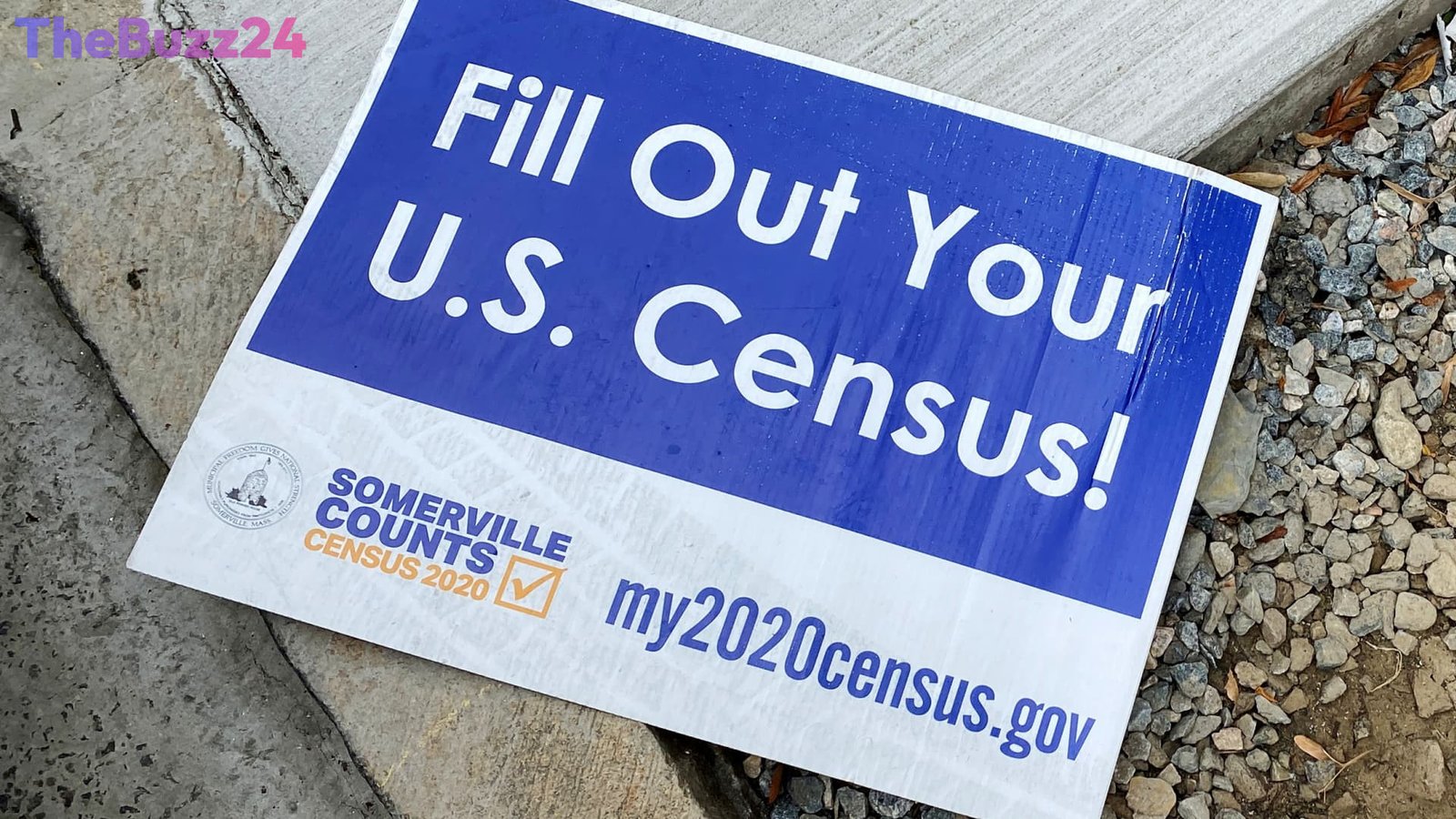
Trump’s Census Plan to Exclude Noncitizens Sparks Fierce Opposition and Legal Threats
A controversial proposal from the Trump administration aimed at excluding certain noncitizens from the 2030 U.S. Census is drawing sharp criticism and setting the stage for a potential legal battle. The proposed rule, which would omit individuals without permanent resident status from the decennial count, could significantly reshape congressional district boundaries and lead to substantial cuts in federal funding for vital assistance programs.
The public comment period for this rule, which was published in September, is set to close on November 2. Opponents, including congressional Democrats and civil rights organizations, argue that the plan is unconstitutional and could disenfranchise millions. They contend that excluding noncitizens, such as those on student visas, refugees, and asylum seekers, would disproportionately affect communities with larger immigrant populations, leading to underfunding of essential services like education, healthcare, and food assistance.
Critics point to the 14th Amendment’s directive to count “the whole number of persons in each State” for apportionment purposes, asserting that the proposed exclusion violates this constitutional mandate. Meeta Anand, senior director of census and data equity at the Leadership Conference on Civil and Human Rights, expressed strong doubts about the proposal’s legality, stating, “The greatest likelihood is that this is going to end up in litigation.” She added that the administration has consistently sought to exclude noncitizens from the count.
Supporters of the measure, including some Republican lawmakers, argue that counting all residents, regardless of legal status, encourages illegal immigration and unfairly inflates the political power of certain areas. Legislation has been introduced by some Republicans to mandate the inclusion of a citizenship question in future censuses and to exclude noncitizens from apportionment calculations. However, the current administration’s proposal could also impact the collection of crucial demographic data on race and ethnicity, which is used for enforcing civil rights laws.
Key Takeaways
- A Trump administration proposal seeks to exclude noncitizens without permanent resident status from the 2030 U.S. Census.
- Critics argue the plan is unconstitutional, could alter congressional representation, and reduce federal funding for social programs.
- A legal challenge is widely anticipated, with opponents citing the 14th Amendment and potential disenfranchisement.
Editor’s Analysis & Impact
This proposed change to the U.S. Census methodology represents a significant potential shift in American political and social landscapes. By excluding noncitizens, the administration aims to alter congressional apportionment and federal resource allocation, which could have profound, long-term consequences. The move is likely to face intense legal scrutiny, potentially leading to a protracted court battle that could determine the very definition of who is counted in the nation’s foundational demographic survey. The outcome could impact everything from legislative power balances to the distribution of trillions of dollars in federal aid, underscoring the critical role of the census in democratic governance and equitable resource distribution.
Frequently Asked Questions
Q: What is the main goal of the proposed Trump administration census change?
A: The primary goal is to exclude noncitizens without permanent resident status from being counted in the 2030 U.S. Census. This is intended to influence congressional apportionment and federal funding distribution.
Q: Why are critics concerned about this proposal?
A: Critics argue the proposal is unconstitutional, potentially violating the 14th Amendment's mandate for counting all persons. They also fear it will lead to inaccurate representation, reduce federal funding for essential services in immigrant-heavy areas, and suppress response rates.
Q: When will a decision be made or when is the next census?
A: The public comment period for the proposed rule closes on November 2. The next U.S. Census is scheduled for 2030. Any changes implemented now would likely affect this count, though the rule-making process and potential legal challenges could extend beyond this deadline.
AI Disclosure: This article is based on verified data and official reports. Our Team and AI have cross-referenced every financial detail with primary sources to ensure total accuracy.
More from this Category