Personalized App Revolution: Google Play Now Supports Private Android Creations
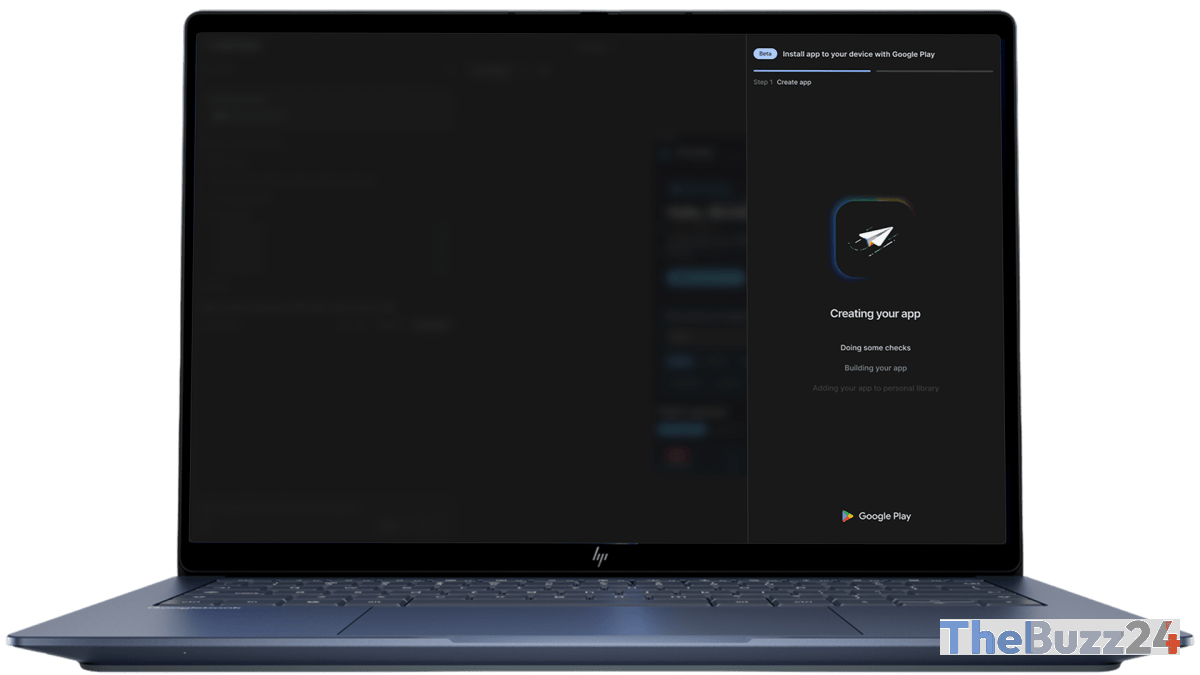
Google Play is introducing a significant new feature that allows Android users to run private, custom-built applications directly on their devices without needing to publish them publicly on the Google Play Store. This development addresses a growing trend of individuals creating personalized apps, often leveraging AI, for specific needs, which previously faced the hurdle of public distribution to function on Android smartphones.
With this update, users can launch their unique applications through Google Play using their standard Google account, ensuring complete privacy. These personal apps will not appear in Google Play’s search results or listings and will remain exclusively accessible to their creator. This capability is particularly beneficial for those “vibe-coding” apps, perhaps using tools like Google AI Studio, as it removes the previous requirement of making an app available to billions of Play Store users just to test it on an Android device. While private, these applications must still adhere to Google Play’s existing policy guidelines. The feature is initially rolling out to users aged 18 and above in the U.S.
Sam Bright, Google’s VP & GM for the Google Play and Developer Ecosystem, highlighted the shift towards a more personal and secure future for apps on Google Play, moving from a “there’s an app for that” mentality to “there’s an app for me.” Looking ahead, Google plans to enable users to share their private creations with a select network of trusted friends and family. This means custom apps for small groups, like a child’s sports league, can be utilized without public exposure. Should a private app gain significant traction, a pathway will exist to transition it to a public listing on the Google Play Store, following standard trust and safety reviews.
Beyond private apps, Google Play is also rolling out several other enhancements. These include the introduction of Game Finder, an AI-powered personalized game recommendation engine, initially available in the U.S. in English, which tailors suggestions based on user preferences and Google’s vast gaming community data. Additionally, the Play Store’s built-in AI assistant, Ask Play, is being updated to offer app comparisons, and Google Play content will be more deeply integrated into Gemini conversations. A new age range feature will also allow parents to share a child’s age range, rather than an exact birthdate, with developers to ensure age-appropriate experiences.
Key Takeaways
- Google Play now supports private, user-built applications on Android devices without requiring public listing.
- This feature empowers individuals to create and use personalized apps, often with AI, for specific needs, bypassing the need for public distribution.
- Future updates will allow sharing private apps with trusted circles and provide a pathway to public listing, alongside other AI-driven enhancements like Game Finder and Ask Play updates.
Editor’s Analysis & Impact
This move by Google represents a significant shift in the app development landscape, democratizing app creation and fostering greater personalization. By removing the barrier of public publication for personal use, Google is tapping into the burgeoning trend of AI-powered custom solutions, potentially unleashing a wave of niche, user-specific applications. This could lead to increased engagement within the Android ecosystem and Google AI Studio, as more users experiment with building their own tools. The ability to share with trusted circles further enhances utility without the complexities of full public launch. For developers, it offers a low-stakes environment for prototyping and testing ideas before committing to a broader market strategy. This initiative positions Google Play not just as a distribution platform, but as a comprehensive ecosystem supporting the entire lifecycle of app innovation, from personal experimentation to potential public success.
Frequently Asked Questions
Q: What are "private apps" on Google Play?
A: Private apps are custom-built applications that Android users can run on their devices via Google Play without making them publicly available on the Play Store. They are exclusively for the creator's personal use and do not appear in search results or listings.
Q: Can I share my private app with others?
A: Initially, private apps are for individual use. However, Google plans to introduce a feature allowing users to share their creations with a select network of trusted friends and family in the coming months.
Q: Do private apps still need to follow Google Play policies?
A: Yes, even though private, these applications are still required to comply with Google Play's existing policies and guidelines to ensure safety and functionality.
AI Disclosure: This article is based on verified data and official reports. Our Team and AI have cross-referenced every financial detail with primary sources to ensure total accuracy.
More from this Category