India Halts Digital Payment Fee Amid Merchant Backlash, Citing Festive Season
India has temporarily halted its plans to introduce a merchant fee on its widely used digital payments network, the Unified Payments Interface (UPI). The decision to postpone the 0.4% charge on eligible transactions exceeding ₹2,000 (approximately $21) comes after significant pushback from retailers and petrol pump operators across the country. The National Payments Corporation of India (NPCI), which oversees UPI, announced the delay, citing the upcoming festive shopping season as a primary reason. This proposed fee, initially slated for October 15, marked a notable shift from India’s long-standing policy of keeping UPI payments free for merchants, a strategy that has fueled its explosive growth.
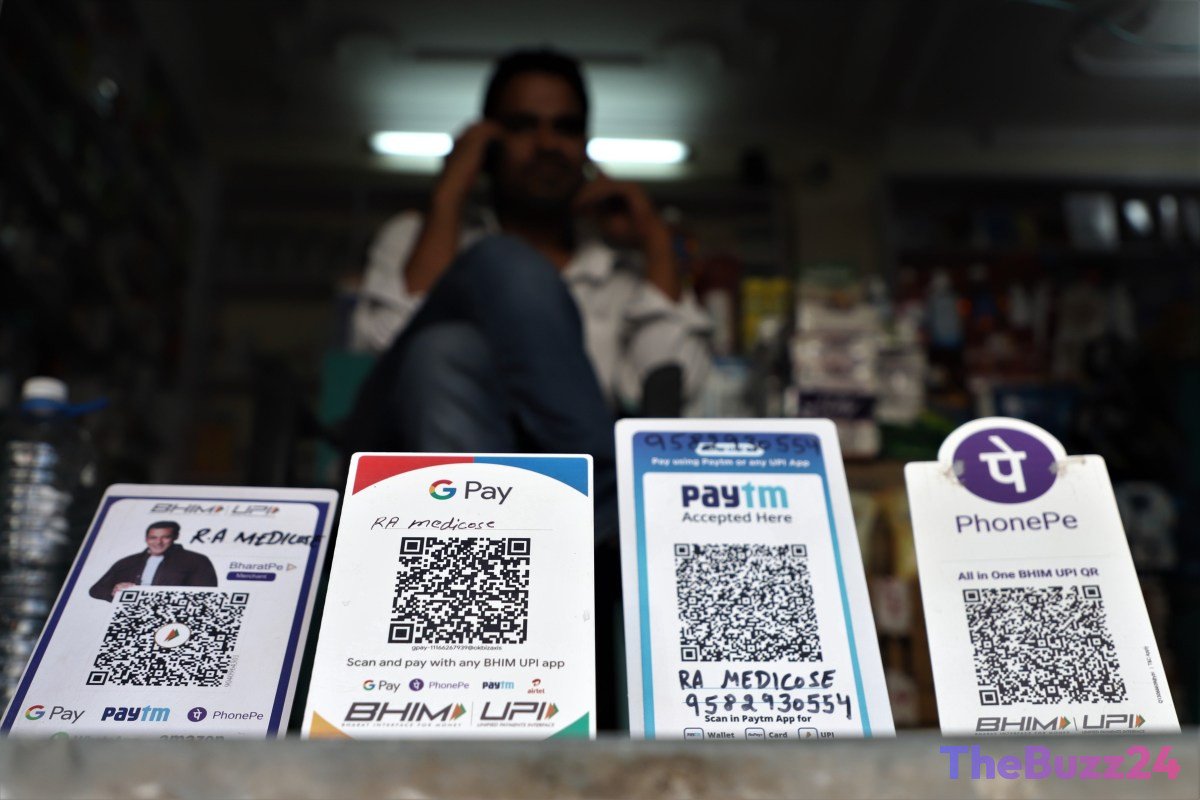
The Unified Payments Interface has become the cornerstone of India’s digital economy, facilitating billions of transactions monthly through popular applications such as Google Pay, PhonePe, and Paytm. Its widespread adoption has been largely attributed to the Indian government’s policy of waiving merchant fees and providing subsidies to banks and payment providers. This approach, implemented in January 2020, aimed to accelerate the transition from cash-based transactions to digital payments, a move that has seen UPI’s transaction volume and value surge dramatically.
The proposed fee, announced last month, was met with strong opposition, with some merchants threatening to cease accepting UPI payments if the charge went into effect. While the NPCI had attempted to mitigate the impact by exempting transactions under ₹2,000 and small merchants processing less than ₹100,000 (about $1,033) monthly, and capping the fee at ₹300 (around $3) for larger transactions, the resistance remained substantial. Payment companies and banks have long argued for a mechanism to recoup the substantial operational costs of running UPI, which industry estimates place at around ₹200 billion (approximately $2.1 billion) annually, covering infrastructure, cybersecurity, and fraud prevention.
The rollout is now expected to occur after Diwali, one of India’s largest festivals and a peak shopping period, though a specific new date has not yet been provided by the NPCI. The funds collected from the fee were intended to be distributed among participants in the UPI ecosystem to support ongoing infrastructure development, cybersecurity measures, and fraud prevention efforts, ensuring the network’s continued robustness and expansion, including its growing international presence in countries like Singapore, the UAE, and France.
Key Takeaways
- India has postponed the implementation of a 0.4% merchant fee on UPI transactions over ₹2,000.
- The delay follows significant opposition from retailers and petrol pump operators, with the festive season cited as a reason.
- The Unified Payments Interface (UPI) is a crucial part of India's digital economy, and the proposed fee aimed to help payment providers recoup operational costs.
Editor’s Analysis & Impact
This delay provides a temporary reprieve for merchants and consumers, preventing potential disruption during a critical shopping period. It highlights the delicate balance between fostering digital adoption and ensuring the financial viability of payment infrastructure. Payment providers like Google Pay and PhonePe will continue to bear significant operational costs without immediate relief, potentially impacting their profitability or investment in the ecosystem. The indefinite postponement suggests a need for further consultation and a more nuanced approach to fee implementation. The government and NPCI might explore alternative revenue models or subsidies to support the UPI ecosystem without burdening merchants. A permanent solution is crucial for the long-term sustainability and continued growth of India’s digital payments landscape, which is a global leader. The situation underscores the challenges of monetizing public utility-like digital infrastructure, especially in economies heavily reliant on cash-to-digital transitions. It could influence other nations considering similar digital payment initiatives, emphasizing the importance of stakeholder consensus.
Frequently Asked Questions
Q: What is the Unified Payments Interface (UPI)?
A: UPI is India's real-time digital payments system, enabling instant money transfers between bank accounts via mobile apps. It has become the backbone of the country's digital economy, facilitating billions of transactions monthly.
Q: Why was a merchant fee proposed for UPI transactions?
A: The proposed 0.4% fee on transactions over ₹2,000 was intended to help banks and payment service providers, like Google Pay and PhonePe, cover the substantial operational costs of running the UPI network, including infrastructure, cybersecurity, and fraud prevention.
Q: Why was the rollout of the merchant fee delayed?
A: The fee rollout was delayed due to widespread opposition from merchants and petrol pump operators, who warned they might stop accepting UPI payments. The National Payments Corporation of India (NPCI) also cited the upcoming festive shopping season as a reason for the postponement.
AI Disclosure: This article is based on verified data and official reports. Our Team and AI have cross-referenced every financial detail with primary sources to ensure total accuracy.
More from this Category