Escalating Tensions: Coalition Forces Target Fuel Depot Near Yemen’s Capital
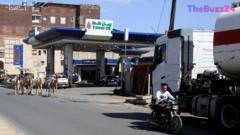
Military forces leading the coalition in Yemen have executed a targeted airstrike against a key fuel facility situated near the Houthi-held capital city of Sanaa. Officials stated that the targeted al-Sabaha installation, managed by the Yemen Petroleum Company, was actively being exploited by Houthi fighters to sustain military logistics, including the facilitation of drone and missile strikes directed at neighboring Saudi territory.
Prior to the military action, warnings were issued urging local civilians to vacate the surrounding zone. Houthi media outlets acknowledged the bombardment shortly before military confirmation was released. In response to the escalation, Houthi leadership vowed swift retaliation, threatening vital infrastructure such as airports and major petroleum facilities located in Riyadh and Dammam.
The latest military maneuvers follow a series of deadly aerial assaults that struck international airport infrastructure, resulting in multiple casualties and prompting strong rebukes from regional leadership. The ongoing civil conflict, which intensified significantly after coalition intervention in 2015, continues to inflict severe humanitarian tolls, triggering mass displacements and widespread resource shortages across the war-torn nation.
Key Takeaways
- Coalition forces launched an airstrike on the al-Sabaha fuel depot near Sanaa after accusing Houthi rebels of using it for military logistics.
- Houthi leaders have threatened retaliatory strikes against major airports and oil refineries in Saudi Arabia.
- The ongoing civil conflict in Yemen continues to cause severe humanitarian crises, including mass displacement and fuel scarcity.
Editor’s Analysis & Impact
The intensification of hostilities between the Saudi-led coalition and Houthi forces highlights the persistent fragility of regional security and its direct tether to global energy markets. As critical infrastructure points like oil refineries and strategic shipping chokepoints face mounting threats, the risk of supply chain disruptions remains elevated. The ongoing military escalation not only deepens the humanitarian catastrophe within Yemen but also introduces recurring volatility into international oil and gas pricing structures. Moving forward, diplomatic resolution appears increasingly distant as both factions prioritize retaliatory deterrence, ensuring that the conflict remains a primary focal point for geopolitical risk assessments in the Middle East.
Frequently Asked Questions
Q: Why did coalition forces target the al-Sabaha fuel depot?
A: The coalition stated that Houthi forces were using the facility to fuel their military operations, specifically supporting missile and drone attacks directed at Saudi Arabia.
Q: How have the Houthi forces responded to the airstrike?
A: Houthi leadership warned of retaliatory actions, specifically targeting airports and oil refineries in Riyadh as well as headquarters in Dammam.
Q: What broader impacts is the conflict having on the region?
A: Beyond regional security concerns and threats to energy infrastructure, the conflict has caused severe displacement, resource shortages, and a worsening humanitarian crisis within Yemen.
AI Disclosure: This article is based on verified data and official reports. Our Team and AI have cross-referenced every financial detail with primary sources to ensure total accuracy.
More from this Category