Revolutionizing Road Freight: MIT Spinoff’s Hydrogen Tech Promises Cheaper, Cleaner Hauling
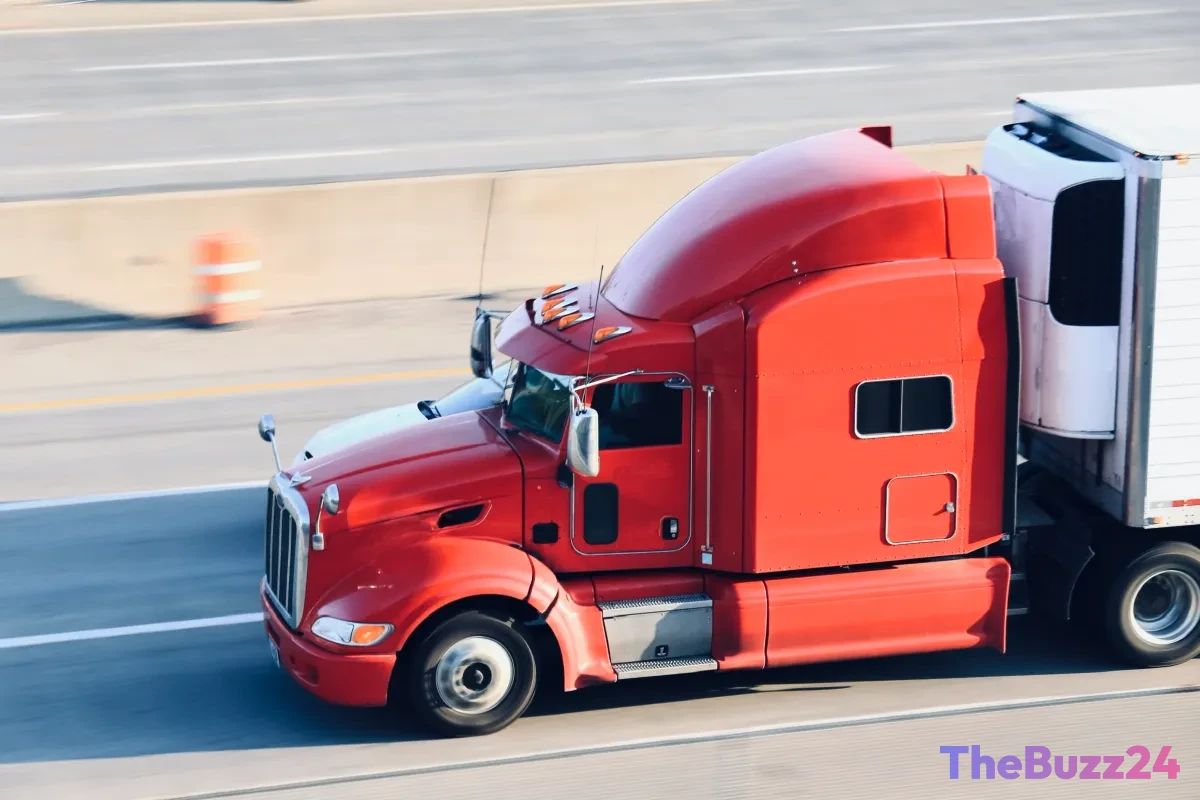
The global transportation sector, particularly heavy-duty trucking, faces immense pressure from volatile diesel prices and the urgent need to reduce carbon emissions. A new technology emerging from MIT spinoff LNK Energies offers a potential breakthrough, aiming to convert existing diesel trucks into more economical and environmentally friendly hydrogen haulers.
LNK Energies has engineered a novel method to transform conventional heavy-duty trucks to run on hydrogen. This innovation not only promises to significantly cut pollution but also to reduce operational costs, shielding operators from the price fluctuations often triggered by geopolitical instability. Alexis Huynh, Chief Technology Officer at LNK Energies, highlights the economic advantage, stating that the total cost of ownership for a Class 8 truck (the heaviest category) could be 13% cheaper than its diesel counterpart.
The core of LNK’s solution lies in its approach to hydrogen storage and delivery. While hydrogen is a promising fuel for long-haul transport due to faster refueling times compared to battery-electric alternatives, its storage and transport have historically been challenging, requiring large, high-pressure tanks. LNK utilizes liquid organic hydrogen carriers (LOHCs), which are liquids capable of absorbing and releasing hydrogen. The critical innovation is the miniaturization of the reactor needed to separate hydrogen from the LOHC, shrinking it from the size of a shipping container to that of a mini-fridge, making on-board integration feasible.
This on-board hydrogen release system eliminates the need for expensive, high-pressure hydrogen compression, as the fuel is carried in liquid form. Once released, the hydrogen can power a modified conventional internal combustion engine, similar to those in today’s diesel trucks, with waste heat from the engine assisting the reactor. Alternatively, for zero tailpipe emissions, the system can feed hydrogen to fuel cells, which generate electricity for electric motors. The LOHC itself can be stored and dispensed using standard fuel tanks and pumps, meaning the extensive new hydrogen infrastructure typically envisioned is not required; existing diesel stations could be adapted. LNK Energies has a demonstration reactor powering a small engine in their lab and plans to install a larger version in a commercial truck within 18 months. While the initial conversion cost will be higher, the company projects significant operational savings, aiming to undercut diesel prices at an equivalent of $6.50 per gallon after producing just 50 to 100 trucks, without relying on government subsidies.
Key Takeaways
- LNK Energies, an MIT spinoff, has developed a technology to convert existing heavy-duty diesel trucks to hydrogen power, promising significant cost savings and emission reductions.
- The core innovation is a miniaturized on-board reactor that extracts hydrogen from liquid organic hydrogen carriers (LOHCs), eliminating the need for high-pressure hydrogen storage and extensive new refueling infrastructure.
- The system projects a 13% reduction in total cost of ownership compared to diesel trucks and aims to be economically viable even at early adoption stages, without government subsidies.
Editor’s Analysis & Impact
This technology from LNK Energies represents a significant potential disruption in the heavy-duty trucking sector, an industry heavily reliant on diesel and a major contributor to global emissions. By addressing the critical challenges of hydrogen storage and infrastructure, LNK’s on-board LOHC conversion system could accelerate the transition to cleaner fuels without requiring a complete overhaul of existing refueling networks. The projected cost savings, even without government subsidies, make it an attractive proposition for fleet operators facing volatile fuel prices. If successful, this innovation could not only reduce operational costs and environmental impact but also create new market opportunities for LOHC production and distribution, potentially shifting investment away from traditional fossil fuel infrastructure in the long-haul transport segment. Its success hinges on scaling production and proving reliability in real-world conditions.
Frequently Asked Questions
Q: What is LNK Energies' core innovation for hydrogen trucking?
A: LNK Energies has developed a compact, on-board reactor that can extract hydrogen from liquid organic hydrogen carriers (LOHCs) directly on heavy-duty trucks, allowing existing diesel vehicles to be converted to hydrogen power without needing high-pressure hydrogen tanks.
Q: How does this technology make hydrogen trucking more accessible and cost-effective?
A: By utilizing LOHCs, which can be stored and dispensed like traditional liquid fuels, and releasing hydrogen on demand, LNK's system bypasses the need for extensive high-pressure hydrogen refueling infrastructure. This approach significantly reduces the complexity and cost associated with hydrogen adoption for fleet operators.
Q: What are the main benefits for truck operators adopting LNK Energies' system?
A: Operators can expect a 13% reduction in the total cost of ownership compared to diesel trucks, significantly lower emissions, and the ability to refuel using existing liquid fuel infrastructure. This also helps mitigate exposure to volatile diesel prices, offering greater operational stability.
AI Disclosure: This article is based on verified data and official reports. Our Team and AI have cross-referenced every financial detail with primary sources to ensure total accuracy.
More from this Category