Singapore Economy Maintains Momentum with Strong Third-Quarter Growth
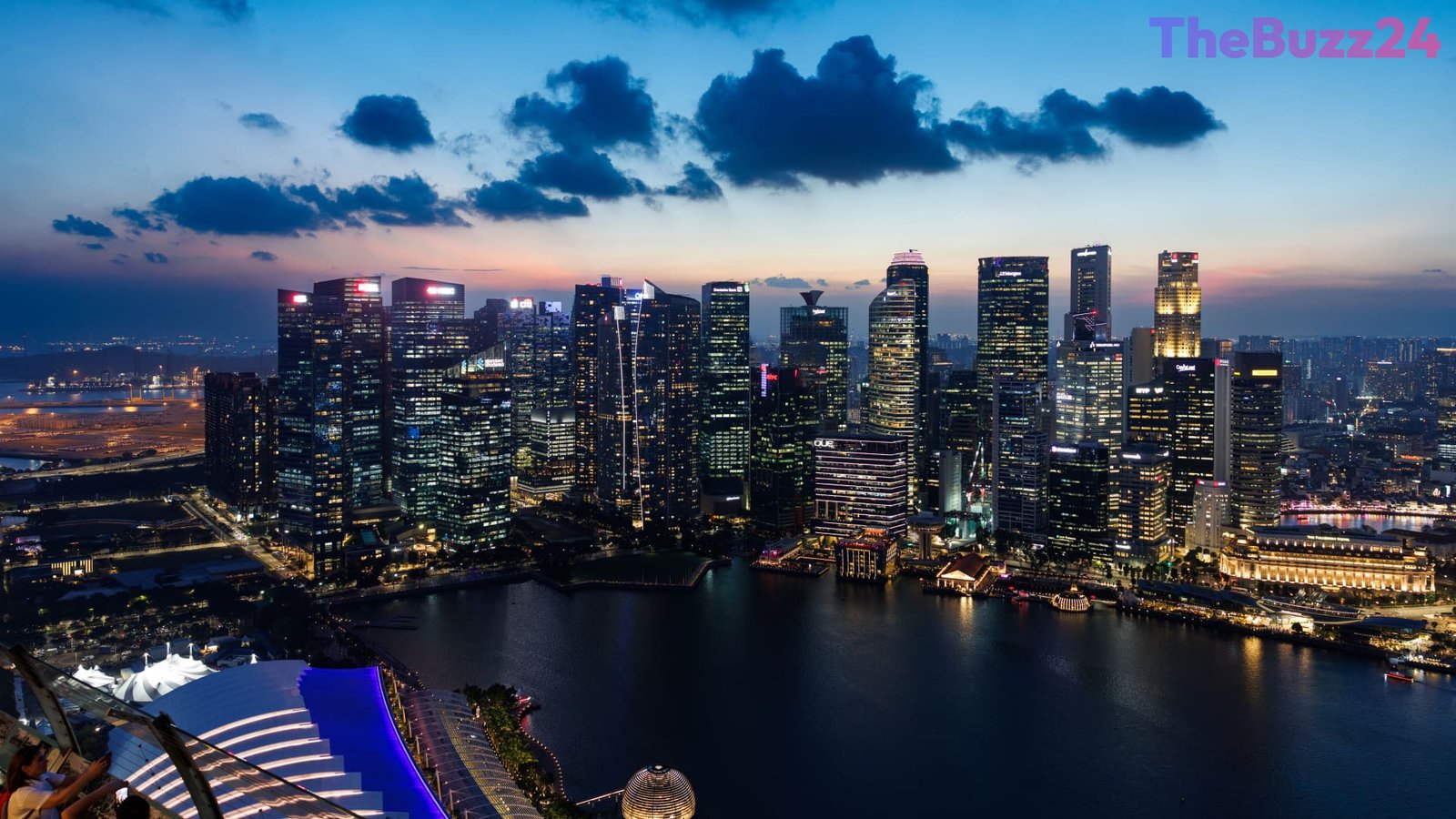
Singapore’s economic expansion experienced a slight deceleration in the third quarter of 2026, with GDP growth reaching 5.4%. While this figure represents a cooling period following a four-year high recorded in the previous quarter, it notably outperformed market expectations, which had projected growth at approximately 5%.
The nation’s economic resilience has been largely driven by robust performance in AI-related sectors and a surge in exports. These factors prompted officials to raise the annual growth forecast in August, with current projections for 2026 now sitting between 4.5% and 5.5%. This represents a significant upward revision from the initial start-of-year estimates, which had anticipated growth in the 1% to 3% range.
In response to the current economic climate, the Monetary Authority of Singapore has opted to maintain its current monetary policy, signaling a pause following two consecutive rounds of tightening earlier this year. Unlike many nations that rely on interest rates, Singapore manages its economy by adjusting the Singapore dollar against a basket of currencies from its primary trading partners. This strategic approach allows the government to navigate inflationary pressures, such as fluctuating energy costs, while fostering a stable environment for continued growth.
Key Takeaways
- Singapore's GDP grew by 5.4% in Q3 2026, exceeding analyst expectations despite a slight slowdown from the previous quarter.
- The government has upgraded its full-year 2026 growth forecast to a range of 4.5% to 5.5%, driven by strong AI and export sectors.
- The Monetary Authority of Singapore has paused its policy tightening cycle, maintaining its current exchange-rate-based monetary strategy.
Editor’s Analysis & Impact
Singapore’s ability to consistently outperform growth estimates highlights the effectiveness of its specialized monetary policy and its successful pivot toward high-growth technology sectors. By leveraging AI-related industries and maintaining a flexible exchange-rate mechanism, the city-state has insulated itself from some of the more volatile global inflationary pressures. The decision to pause policy tightening suggests that policymakers are confident in the current trajectory but remain cautious regarding external energy price shocks. Looking ahead, the sustained growth forecast indicates that Singapore is well-positioned to remain a regional economic powerhouse. However, the reliance on global trade and AI demand means the economy remains sensitive to shifts in international tech spending and geopolitical trade stability. Investors should monitor how the Monetary Authority balances future inflation risks against the need to support this ongoing expansion.
Frequently Asked Questions
Q: How does Singapore manage its monetary policy without using interest rates?
A: Singapore manages its economy by adjusting the value of the Singapore dollar against a basket of currencies from its major trading partners, allowing the exchange rate to fluctuate within a specific policy band.
Q: What are the primary drivers behind Singapore's economic growth in 2026?
A: The growth is primarily fueled by strong performance in AI-related sectors and an increase in export activity.
AI Disclosure: This article is based on verified data and official reports. Our Team and AI have cross-referenced every financial detail with primary sources to ensure total accuracy.
More from this Category