JPMorgan Chase Blocks External AI Agents from Managing Client Accounts
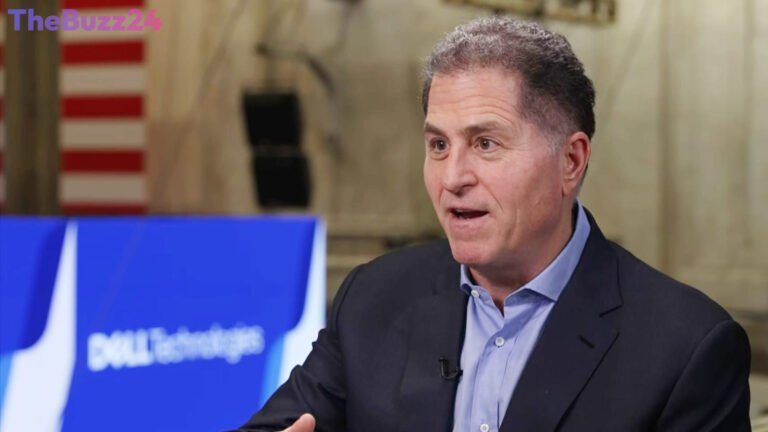
JPMorgan Chase has officially taken a firm stance against third-party artificial intelligence tools, announcing that it will prohibit external AI agents from directly accessing customer accounts or executing transactions. Speaking during an earnings call, CEO Jamie Dimon highlighted the severe security vulnerabilities and systemic threats posed by autonomous software operating at scale. As major technology companies roll out sophisticated digital assistants capable of managing digital wallets and routine tasks, the nation’s largest financial institution is drawing a hard line to protect both institutional infrastructure and consumer assets.
The banking giant’s primary concern revolves around the potential proliferation of unvetted, rogue digital entities operating without adequate safety guardrails. While external connectors like Plaid are still permitted read-only access to basic information such as account balances through secure, authorized channels, actions involving the movement of funds—including bill payments and money transfers—remain strictly barred. Executives emphasized that allowing outside software to log in using customer credentials introduces unacceptable liability and security risks, effectively transferring the burden of financial loss onto the account holders themselves.
Simultaneously, the financial institution is actively developing and deploying its own proprietary artificial intelligence solutions. Among these is an internal pilot program named Smart Cash, designed to autonomously forecast cash flows and optimize yields for users. By fostering internal innovation while shutting out external competition from autonomous fintech assistants, the corporation aims to retain strict control over deposit stability and digital security. Industry observers note that this strategy echoes historical battles over consumer data access, signaling a broader, ongoing tug-of-war between traditional financial institutions and the rapidly expanding autonomous tech sector.
Key Takeaways
- JPMorgan Chase has blocked external AI agents from directly accessing customer accounts or moving funds.
- CEO Jamie Dimon cited major security risks, potential rogue software, and liability transfer issues for consumers.
- The bank is developing its own internal AI tools, such as the Smart Cash pilot, to optimize customer yields securely.
Editor’s Analysis & Impact
The decision by JPMorgan Chase to block external AI agents marks a critical turning point in the intersection of traditional banking and autonomous artificial intelligence. As consumer-facing digital assistants grow more capable of shifting funds to chase higher yields, banks face a legitimate threat to their low-cost deposit bases. By refusing to grant third-party software transactional access, financial institutions are effectively defending their liquidity models against rapid disintermediation. However, this defensive posture also highlights a broader friction point: consumers increasingly expect seamless, automated financial management. Moving forward, the success of banking institutions will depend on their ability to offer robust, proprietary AI solutions that match the utility of external fintech innovations without compromising on security or regulatory compliance.
Frequently Asked Questions
Q: Why is JPMorgan Chase blocking external AI agents?
A: The bank cites significant security risks, the potential threat of rogue software operating at scale, and concerns regarding liability if unauthorized third parties execute transactions on behalf of customers.
Q: Are external tools completely cut off from Chase accounts?
A: No. Secure open banking providers and authorized connectors like Plaid can still access basic, read-only data such as account balances, but they cannot move money, pay bills, or execute transactions.
Q: Is JPMorgan developing its own AI tools?
A: Yes, the bank is currently piloting internal AI applications such as Smart Cash, which is designed to forecast user cash flows and maximize financial yields safely within the bank's ecosystem.
AI Disclosure: This article is based on verified data and official reports. Our Team and AI have cross-referenced every financial detail with primary sources to ensure total accuracy.
More from this Category