Bipartisan Pushback Intensifies Over Trump’s Global Diesel Arrangement with Russia
Opposition is rapidly mounting on Capitol Hill against President Donald Trump’s decision to permit Russia to export millions of barrels of diesel fuel onto the global market. A bipartisan coalition of twelve lawmakers sent a formal letter to the administration, pressing the president to scrap the temporary agreement that authorizes Moscow to distribute nearly 36 million barrels—equivalent to 4.8 million metric tons—of diesel fuel through mid-April.
The pushback includes prominent Republican senators such as Mitch McConnell of Kentucky, John Cornyn of Texas, Susan Collins of Maine, Lisa Murkowski of Alaska, Thom Tillis of North Carolina, and Alan Armstrong of Oklahoma, a former energy industry chief executive. They banded together with Democratic colleagues, including Richard Blumenthal, Jeanne Shaheen, and Dick Durbin, to condemn the policy, calling the arrangement a direct lifeline to the Kremlin that undermines American allies.
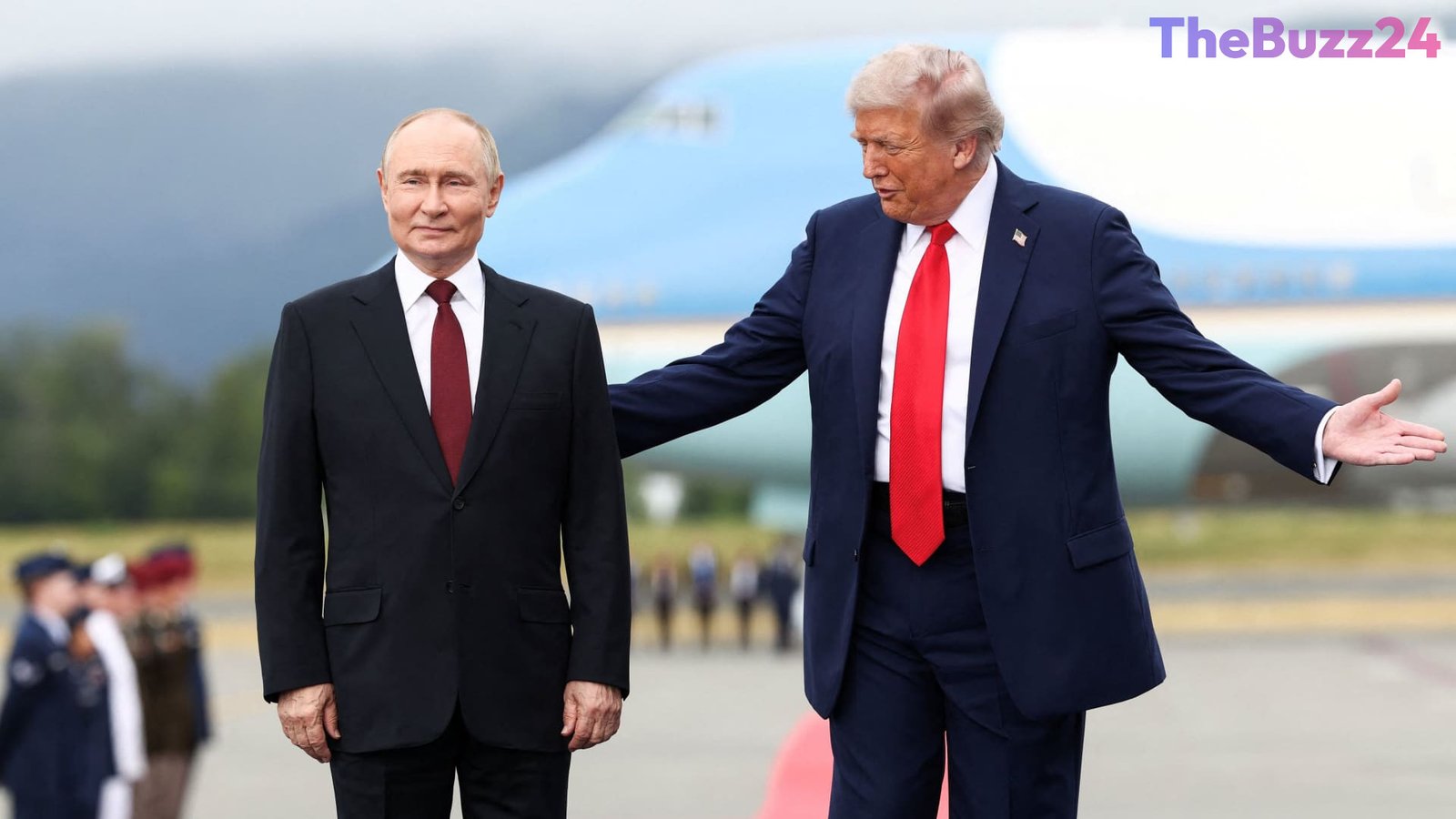
The White House entered the pact following a direct phone call between Trump and Russian President Vladimir Putin, framing it as an essential step to curb record fuel prices at the pump. However, market observers and energy economists have cast significant doubt on whether injecting 36 million barrels into the global market will meaningfully soften consumer costs. Lawmakers argue that any marginal domestic savings would be eclipsed by the financial boost delivered directly to Moscow, potentially supporting Russian military actions in Ukraine and bolstering ties with adversarial powers.
Furthermore, the senators warned that granting sanctions relief under General License No. 135 runs counter to recently enacted legislation aimed at restricting Russian and Iranian economic activities. Trump, however, has stood by the decision, publicly insisting that the measure prioritizes domestic economic concerns. Despite the administration’s stance, critics across both parties maintain that easing energy restrictions compromises national security without delivering substantial economic dividends to consumers.
Key Takeaways
- A bipartisan group of 12 senators demanded the immediate reversal of an agreement letting Russia export nearly 36 million barrels of diesel.
- Prominent Republicans, including Mitch McConnell and John Cornyn, warned that the deal grants financial leverage to Moscow while offering minimal relief at the pump.
- Energy analysts argue that the volume of Russian fuel authorized through mid-April will have a negligible impact on domestic energy costs.
Editor’s Analysis & Impact
The growing congressional resistance to the Russia diesel arrangement highlights a deepening fault line within the Republican Party regarding foreign policy and national defense versus short-term domestic economic maneuvering. By leveraging energy imports to curb inflation, the administration is testing the resilience of established sanction regimes and risking diplomatic strain with allied nations. From a market standpoint, the volume in question—roughly 36 million barrels—represents only a fraction of global fuel demand and is unlikely to cause a sustained shift in refining margins or retail pricing. In the long run, this clash suggests that future trade or sanctions adjustments will encounter robust legislative barriers, creating friction for any rapid foreign policy shifts that disregard existing sanction frameworks.
Frequently Asked Questions
Q: What does the diesel agreement between the U.S. and Russia entail?
A: The temporary arrangement permits Russia to export roughly 4.8 million metric tons, or about 36 million barrels, of diesel onto international markets through mid-April.
Q: Why are lawmakers in Congress opposing the arrangement?
A: Senators from both parties argue the deal provides Moscow with financial resources during the ongoing conflict with Ukraine, undermines sanctions legislation, and offers negligible relief to American consumers.
Q: Will the release of Russian diesel lower consumer fuel prices?
A: Industry experts and analysts widely believe the quantity involved is too small relative to global demand to create any sustained or meaningful drop in retail fuel costs.
AI Disclosure: This article is based on verified data and official reports. Our Team and AI have cross-referenced every financial detail with primary sources to ensure total accuracy.
More from this Category