Kimberly Guilfoyle Steps Down as Ambassador to Greece Amid Ethics Scrutiny
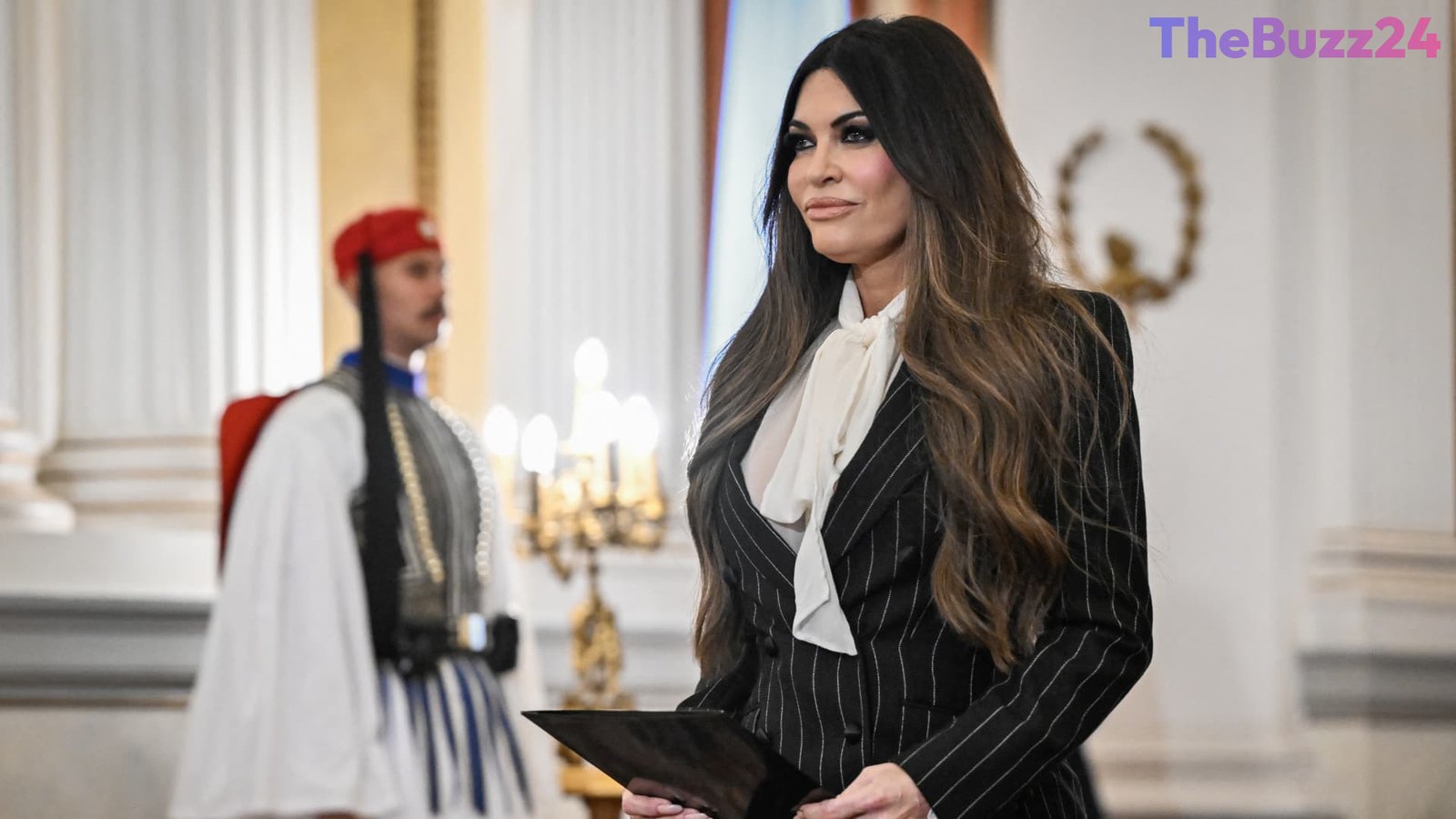
Kimberly Guilfoyle has officially announced her resignation as the United States Ambassador to Greece, a move that follows direct pressure from the White House. The decision comes after White House press secretary Katie Zacharia confirmed that the administration had requested her departure from the diplomatic post. Guilfoyle, who served in the role for approximately one year, stated that while her tenure is concluding, she remains committed to the current administration and the broader political movement.
The resignation follows a series of reports detailing alleged misconduct that drew significant concern from ethics experts and government officials. Among the claims are allegations that Guilfoyle leveraged her position to promote specific Greek commercial interests and involved private lobbyists in official government meetings. Further reports suggested financial irregularities, including requests for large sums of money from political donors to settle personal credit card debts prior to her confirmation hearings.
In a public statement, Guilfoyle categorically denied the allegations, characterizing them as false and vowing to defend her professional reputation. Despite her defense, President Donald Trump indicated that the negative reports were a primary factor in the administration’s decision to seek her resignation. While acknowledging her service, the President noted that the administration was dissatisfied with the conduct described in recent media coverage, ultimately leading to the request for her to step down.
Key Takeaways
- Kimberly Guilfoyle resigned as U.S. Ambassador to Greece following a direct request from the White House.
- The resignation was prompted by multiple reports alleging ethical misconduct, including the promotion of private business interests and questionable financial dealings.
- President Trump confirmed that the administration's decision was influenced by the nature of the reports regarding Guilfoyle's conduct.
Editor’s Analysis & Impact
The resignation of Kimberly Guilfoyle highlights the ongoing tension between political appointments and the rigorous ethical standards expected of diplomatic representatives. By acting swiftly to remove an ambassador linked to reports of influence-peddling and financial impropriety, the White House is likely attempting to mitigate political fallout and preserve the integrity of its foreign policy operations. The situation underscores the vulnerability of high-profile political appointees to investigative scrutiny, particularly when their actions intersect with private donor networks and international business interests. Moving forward, this incident may lead to more stringent vetting processes for future diplomatic nominees to ensure that personal financial histories and potential conflicts of interest are thoroughly vetted before confirmation, thereby protecting the administration from similar reputational risks.
Frequently Asked Questions
Q: Why did Kimberly Guilfoyle resign as Ambassador to Greece?
A: Guilfoyle resigned after the White House requested her departure, citing concerns over reports of ethical misconduct and alleged improper conduct during her tenure.
Q: What were the specific allegations against the former ambassador?
A: Allegations included the promotion of a specific Greek company, the involvement of private lobbyists in official meetings, and requests for large financial transfers from political donors to cover personal debts.
AI Disclosure: This article is based on verified data and official reports. Our Team and AI have cross-referenced every financial detail with primary sources to ensure total accuracy.
More from this Category