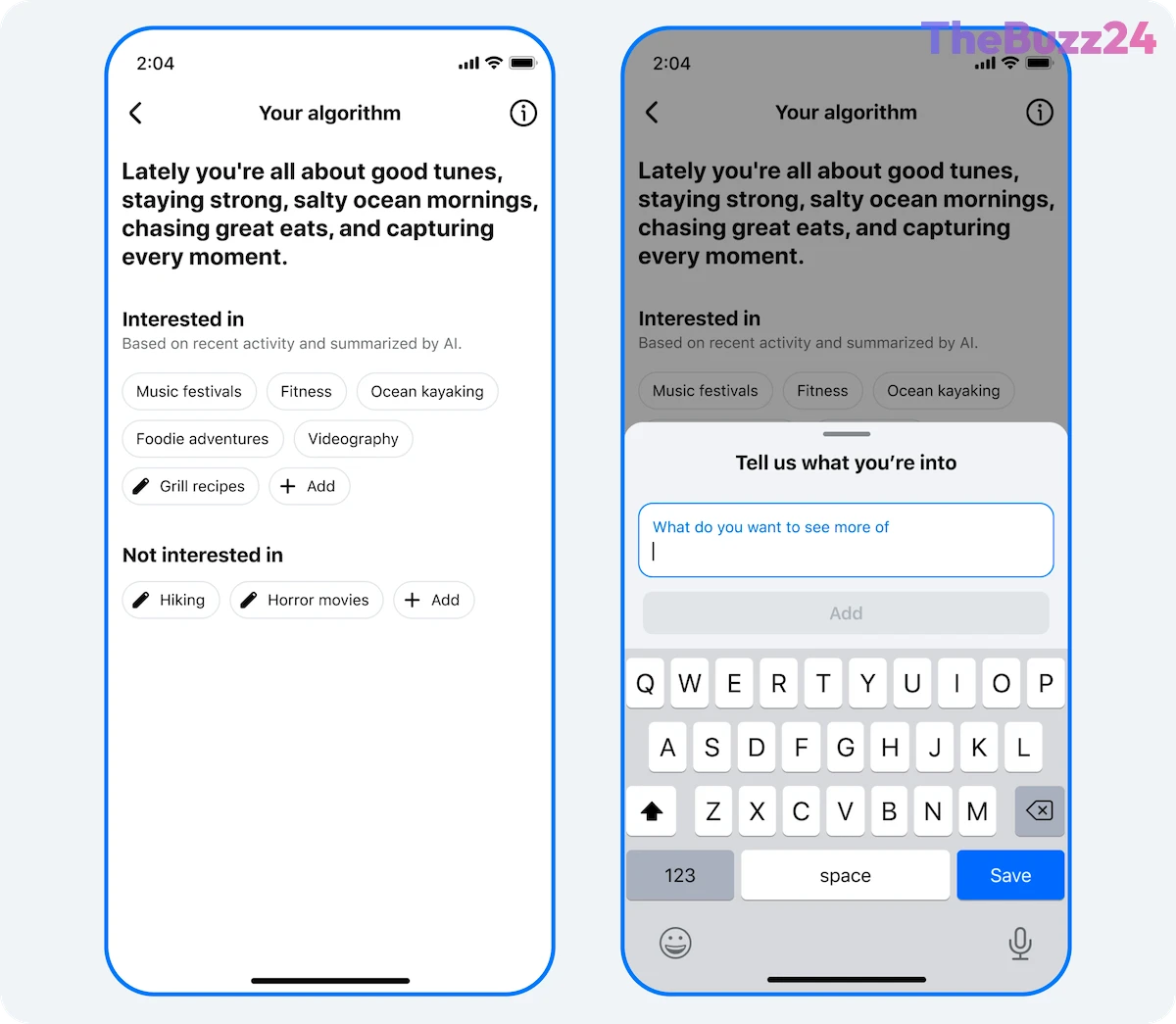
Meta Empowers Facebook Users with Enhanced Algorithmic Control
Meta has rolled out a significant update for Facebook users, introducing an AI-powered feature called “Your Algorithm.” This new tool is designed to give individuals greater influence over the content that appears in their Feed and Reels, marking a notable shift towards personalized content discovery on the platform.
Building on a similar feature first launched on Instagram, “Your Algorithm” allows Facebook users to articulate their content preferences using natural language. Instead of passively receiving automated recommendations, users can now directly communicate with the platform, specifying topics and content types they wish to see more or less frequently. Meta states that this real-time feedback mechanism aims to make content recommendations more relevant and responsive to individual tastes.
To facilitate this enhanced control, Meta has also updated Facebook’s three-dot menu on individual posts. Users can now easily access “Your Algorithm” or select “Interested” and “Not interested” options to provide immediate feedback on specific content. The platform may even pose follow-up questions to gather more detailed insights into user likes and dislikes, further refining its recommendation engine. This initiative reflects Meta’s broader strategy to empower users across its social media ecosystem, with Instagram having introduced its version of “Your Algorithm” and Threads launching a related feature called “Dear Algo.”
This move signals a departure from traditional, opaque recommendation systems, bringing Facebook closer to the user-centric personalization models seen in streaming services. By enabling users to actively shape their digital experience, Meta aims to foster greater engagement and satisfaction, addressing the growing demand for transparency and control over algorithmic content curation.
Key Takeaways
- Meta has launched "Your Algorithm" on Facebook, allowing users to influence their Feed and Reels content using natural language.
- The feature enables real-time adjustments to recommendations and integrates feedback options directly into posts via a three-dot menu.
- This initiative reflects Meta's broader strategy to enhance user control over content discovery, aligning with similar features on Instagram and Threads.
Editor’s Analysis & Impact
Meta’s introduction of “Your Algorithm” on Facebook represents a significant step towards user-centric content curation within the social media landscape. This move could set a new industry standard, compelling other platforms to offer similar levels of algorithmic transparency and control. For Meta, it addresses growing user demand for personalization and could lead to increased engagement and satisfaction, potentially mitigating concerns about algorithmic bias and echo chambers. The broader implication is a shift towards more interactive and user-driven digital experiences, where AI serves as a tool for personalization rather than a black box. This strategy, consistent across Instagram and Threads, underscores Meta’s commitment to evolving its platforms in response to user feedback and the changing dynamics of content consumption.
Frequently Asked Questions
Q: What is "Your Algorithm" on Facebook?
A: It's a new AI-powered feature from Meta that allows Facebook users to directly influence the content they see in their Feed and Reels by describing their preferences using natural language.
Q: How can users provide feedback with this new feature?
A: Users can communicate their preferences directly through natural language input, adjust settings in real-time, and use "Interested" or "Not interested" options via the three-dot menu on individual posts.
Q: Has Meta implemented similar features on other platforms?
A: Yes, Instagram introduced "Your Algorithm" earlier, and Threads launched a related feature called "Dear Algo," indicating a consistent strategy across Meta's social media ecosystem.
AI Disclosure: This article is based on verified data and official reports. Our Team and AI have cross-referenced every financial detail with primary sources to ensure total accuracy.
More from this Category