Toxic Haze Crisis: The Battle Against Illegal Land Clearing in Southeast Asia
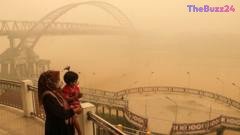
A thick, hazardous amber smog has descended upon the islands of Kalimantan and Sumatra, creating a public health emergency that has transcended Indonesian borders. The toxic haze has significantly degraded air quality in neighboring Singapore and Malaysia, leading to school closures and widespread respiratory concerns. This annual environmental crisis has been exacerbated this year by an unusually strong El Niño, which has intensified the dry season and fueled over one million wildfire hotspots across the region.
At the heart of the crisis is the controversial practice of ‘slash and burn’ agriculture. While traditionally used by small-scale farmers to enrich soil, the method is now frequently employed on a massive, industrial scale to clear land for commercial plantations. Despite being illegal under Indonesian law, the practice remains difficult to police. President Prabowo Subianto has recently taken a harder stance, labeling the activity ‘ecological terrorism’ and announcing the suspension of operating licenses for 26 companies suspected of involvement in the fires.
The regional impact has reignited diplomatic tensions, as authorities in Singapore and Malaysia struggle to hold cross-border entities accountable. Investigations by environmental watchdogs have linked specific plantation firms based in Singapore and Malaysia to land plots where fires were recorded. While these companies maintain that they enforce strict zero-burning policies and that fires often originate outside their concessions, the recurring nature of the haze has led to increased public outcry and legal challenges. In Indonesia, civil society groups have filed class-action lawsuits against the government, demanding that the haze be declared a national disaster to unlock necessary healthcare and recovery resources.
For residents living in the heart of the affected regions, the situation is a daily struggle for survival. Many workers, such as those in the transportation sector, are forced to navigate the toxic air despite suffering from headaches and breathing difficulties. As the government faces pressure to balance economic interests with environmental protection, the demand for more robust enforcement and international cooperation remains at an all-time high to prevent the annual recurrence of this environmental catastrophe.
Key Takeaways
- An intense El Niño season has contributed to over one million wildfire hotspots in Indonesia, resulting in severe transboundary air pollution.
- Indonesian authorities have suspended the licenses of 26 companies suspected of using illegal 'slash and burn' tactics to clear land for commercial use.
- Diplomatic friction persists between Indonesia, Singapore, and Malaysia regarding accountability, legal jurisdiction, and the responsibility for regional air quality.
Editor’s Analysis & Impact
The recurring haze crisis in Southeast Asia represents a complex intersection of climate change, industrial agricultural practices, and regional geopolitics. The reliance on palm oil and other plantation commodities creates a powerful economic incentive that often clashes with environmental regulations. From a market perspective, the increased scrutiny on ESG (Environmental, Social, and Governance) standards means that companies linked to these fires face significant reputational and financial risks, including potential loss of operating licenses and exclusion from international supply chains. Future outlooks suggest that unless there is a unified regional regulatory framework that transcends national borders, the ‘slash and burn’ cycle will likely continue. The shift toward holding corporations legally accountable, rather than just local farmers, marks a significant evolution in how the region is attempting to manage this persistent environmental threat.
Frequently Asked Questions
Q: What is 'slash and burn' agriculture?
A: It is a land-clearing method where vegetation is cut and burned to create nutrient-rich soil for planting. While historically used by small farmers, it is now often used illegally on a large scale by commercial plantations.
Q: Why is the haze affecting neighboring countries like Singapore and Malaysia?
A: The haze is caused by smoke from wildfires in Indonesia. Due to wind patterns, this smoke is carried across borders, leading to hazardous air quality levels in neighboring nations.
AI Disclosure: This article is based on verified data and official reports. Our Team and AI have cross-referenced every financial detail with primary sources to ensure total accuracy.
More from this Category