Inside the FBI Investigation of an OpenAI Engineer Accused of Corporate Espionage
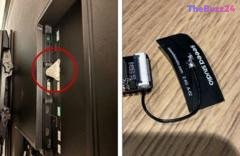
A former OpenAI engineer, 35-year-old Abdulrahman Alfozan, is facing federal charges after allegedly attempting to plant secret recording devices within the company’s secure meeting facilities. The FBI arrested Alfozan in early October following the discovery of a surreptitious audio device hidden behind a television in a conference room frequently used for high-level strategic and technical discussions. According to court filings, the device was found wrapped in toilet paper, a crude attempt to conceal the hardware from staff.
Investigators allege that Alfozan utilized AI-powered tools to facilitate his plans, reportedly querying productivity assistants about meeting room schedules and even using a chatbot linked to his spouse to research how to construct and remotely access recording equipment. Security footage captured the engineer near the sensitive conference room on multiple occasions throughout September. When security personnel later discovered an unattended bag belonging to Alfozan in a different area, they reportedly found a second recording device alongside his personal identification.
OpenAI has confirmed that it leveraged its own internal AI models to analyze the recovered hardware and determine its origin. While the company stated that there is currently no evidence suggesting the breach led to the exfiltration of sensitive source code, model weights, or customer data, the incident has raised significant concerns regarding internal security protocols. Alfozan, who had been employed by the firm since July 2025, has since had his contract terminated and is currently awaiting a detention hearing in a California federal court.
Key Takeaways
- Former OpenAI engineer Abdulrahman Alfozan was arrested for allegedly planting audio recording devices in company meeting rooms.
- The suspect reportedly used AI chatbots to research how to build and remotely access the surveillance equipment.
- OpenAI confirmed that while the breach occurred, there is no current evidence that proprietary model weights or customer data were compromised.
Editor’s Analysis & Impact
This incident highlights a growing vulnerability in the tech sector: the ‘insider threat’ amplified by the very tools these companies are building. As AI becomes more integrated into daily workflows, the potential for employees to use these systems to bypass security protocols or conduct corporate espionage increases. For firms like OpenAI, which hold the keys to the most valuable intellectual property in the current market, this case serves as a stark reminder that physical security remains as critical as digital encryption. The industry will likely see a shift toward more stringent ‘zero-trust’ physical access policies and enhanced monitoring of internal AI usage to prevent similar breaches. The outcome of this trial will likely set a precedent for how federal authorities handle the intersection of AI-assisted planning and corporate espionage.
Frequently Asked Questions
Q: What are the potential legal consequences for the accused engineer?
A: If convicted of the charges related to intercepting oral communications, Alfozan faces a maximum penalty of five years in federal prison and a fine of up to $250,000.
Q: Did the breach result in the loss of OpenAI's proprietary AI models?
A: OpenAI has stated that, based on their current investigation, there is no indication that the individual successfully accessed or exfiltrated model weights, source code, or customer data.
AI Disclosure: This article is based on verified data and official reports. Our Team and AI have cross-referenced every financial detail with primary sources to ensure total accuracy.
More from this Category