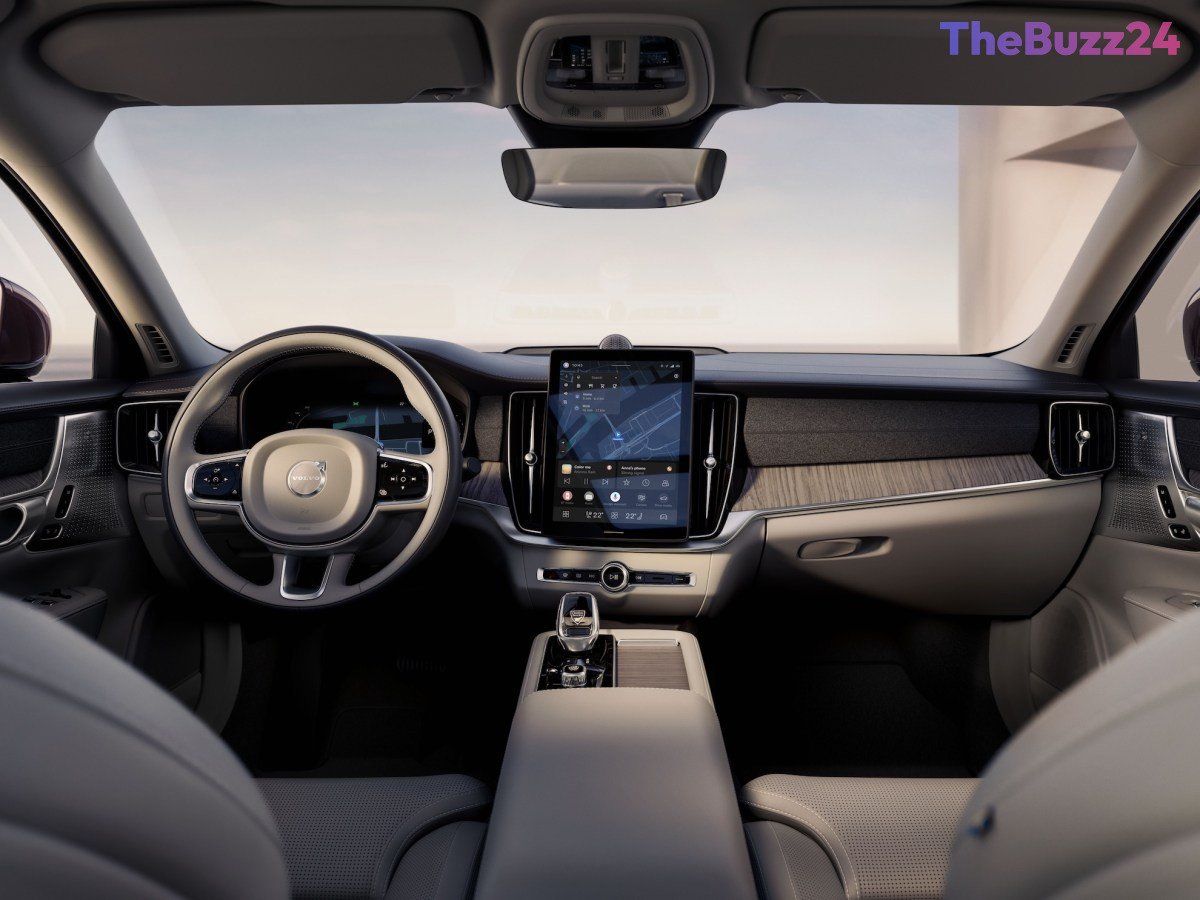
Volvo Expands Longstanding Nvidia Partnership to Supercharge Autonomous Driving Technology
Automotive manufacturer Volvo has significantly deepened its technological collaboration with semiconductor and AI giant Nvidia, aiming to revolutionize automated driving capabilities across its upcoming vehicle lineups. By integrating advanced hardware and software solutions from Nvidia, the carmaker plans to deploy sophisticated autonomous navigation systems capable of handling complex urban environments as well as high-speed highways.
While specific financial terms and the identity of the inaugural model remain under wraps, leadership at Volvo emphasized that this initiative marks a pivotal transformation in how the company approaches vehicle engineering. Rather than relying on traditional, fragmented supplier models, the automaker has evolved into a comprehensive technology stack developer. This new Nvidia-powered infrastructure will not be limited strictly to battery-electric vehicles, but will extend to plug-in hybrids and traditional gas-powered cars as well.
The collaboration centers on adopting Nvidia’s Hyperion sensor and compute architecture, the Alpamayo driving software stack, and the Halos safety evaluation layer. Current electric models already utilize Nvidia’s Orin computer chips to process sensor data for situational awareness. The expanded integration combines cutting-edge artificial intelligence models with traditional machine learning perception frameworks, running redundant systems simultaneously to maximize road safety.
Industry observers note that this strategic pivot underscores a broader trend within the automotive sector, where hardware manufacturing is increasingly inseparable from advanced software development. As the automotive landscape shifts toward intelligent mobility, collaborations between legacy vehicle manufacturers and tech innovators are set to define the next generation of personal transportation.
Key Takeaways
- Volvo is expanding its long-term partnership with Nvidia to integrate advanced automated driving systems into future vehicles.
- The new technology stack will be deployed across battery-electric vehicles, plug-in hybrids, and gas-powered cars.
- The collaboration utilizes Nvidia's Hyperion sensor architecture, Alpamayo software stack, and Halos safety evaluation layer.
Editor’s Analysis & Impact
The deepening alliance between Volvo and Nvidia highlights a critical industry-wide transformation: legacy automakers are rapidly shedding their traditional identities to become sophisticated software companies. By standardizing advanced computing and sensor architectures across diverse powertrain lineups—ranging from EVs to internal combustion engines—Volvo is future-proofing its fleet for an increasingly autonomous world. The dual-stack approach, combining machine learning with classical software perception, addresses lingering safety concerns head-on. Looking ahead, this move pressures competitors to accelerate their own proprietary tech partnerships or risk falling behind in the race for consumer-grade autonomous driving integration.
Frequently Asked Questions
Q: Which Nvidia technologies are being integrated into Volvo's upcoming vehicles?
A: Volvo is integrating Nvidia's Hyperion sensor and compute architecture, the Alpamayo driving software stack, and the Halos safety evaluation layer.
Q: Will this new automated driving technology only be available in electric vehicles?
A: No, Volvo plans to implement this new technology stack across its battery-electric vehicles, plug-in hybrids, and gas-powered vehicles.
Q: When can consumers expect to see the first vehicle featuring the new Nvidia tech stack?
A: Volvo has indicated that the first vehicle equipped with the new Nvidia technology stack will debut within the current decade.
AI Disclosure: This article is based on verified data and official reports. Our Team and AI have cross-referenced every financial detail with primary sources to ensure total accuracy.
More from this Category