Google Rolls Out Universal Cart to Streamline AI-Powered Shopping in the US
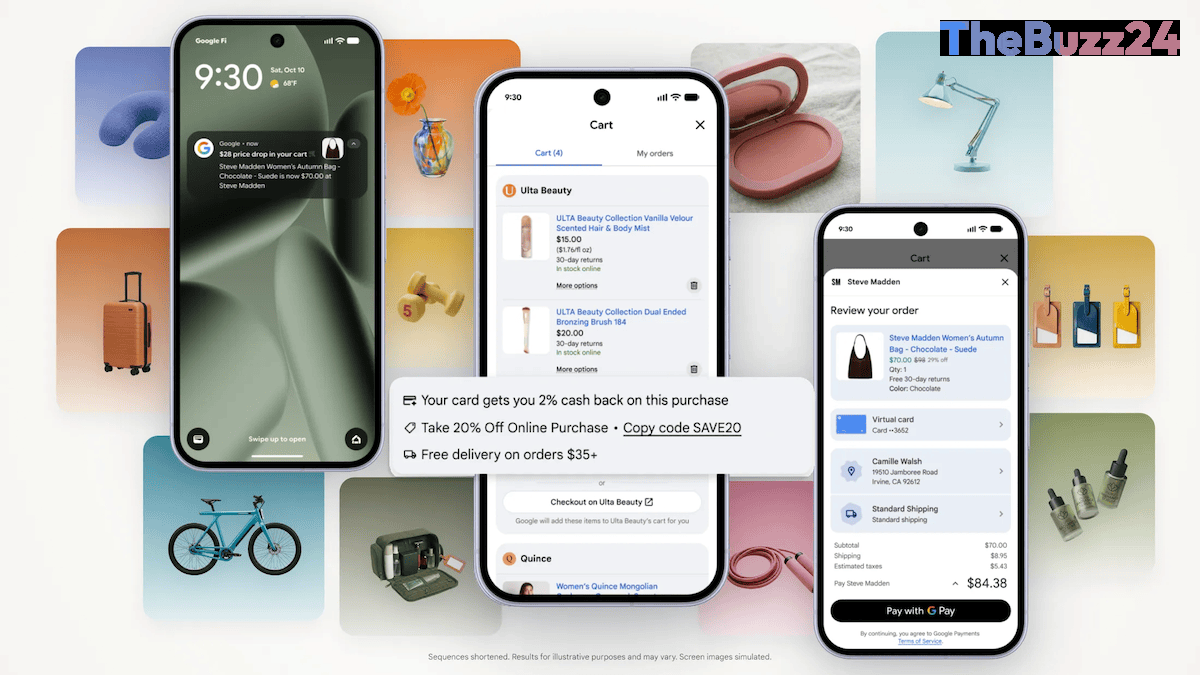
Google has officially introduced its ‘Universal Cart’ shopping feature to users across the United States, marking a major step forward in integrating artificial intelligence with everyday e-commerce. Initially showcased earlier this year, the tool allows consumers to seamlessly gather, organize, and monitor merchandise discovered through standard web searches and interactions within the Gemini application. By consolidating items from various disparate online retailers into a single, cohesive dashboard, the feature eliminates the need to repeatedly search for products or restart shopping sessions upon returning to the platform.
Beyond simply saving items, the platform is engineered to function as an active shopping assistant by monitoring price fluctuations and inventory levels. Users receive automated alerts when a saved product experiences a price reduction or when previously depleted merchandise returns to stock. Furthermore, the system enhances the purchasing decision by factoring in specific credit card rewards and automatically surfacing relevant promotional codes, tailoring the financial aspect of the transaction to the individual consumer.
The underlying infrastructure relies on Google’s Universal Commerce Protocol (UCP), an open standard established to facilitate smooth interactions between autonomous AI agents and retail platforms throughout the entire purchasing lifecycle. This launch places Google in direct competition with other major technology firms, including Amazon and OpenAI, as the industry races to transform conversational chatbots into functional, transaction-capable retail assistants.
Key Takeaways
- Google has officially launched its Universal Cart shopping tool for users in the United States.
- The feature consolidates items found across Google Search and the Gemini app into a single hub, tracking price drops and stock updates.
- Powered by the open-standard Universal Commerce Protocol (UCP), the tool competes directly with AI shopping initiatives from Amazon and OpenAI.
Editor’s Analysis & Impact
The rollout of Google’s Universal Cart represents a critical escalation in the battle for dominance over AI-driven e-commerce. As consumers increasingly turn to conversational interfaces for discovery, the friction between inspiration and transaction remains a primary hurdle. By introducing an interoperable standard like the Universal Commerce Protocol alongside a centralized cart, Google is attempting to bridge the gap between fragmented web retail and unified agentic commerce. This move forces competitors like Amazon and OpenAI to accelerate their own checkout and cross-retailer integration strategies. For merchants, adapting to these open protocols will likely become essential to maintaining visibility as AI agents increasingly mediate the consumer journey. In the long term, tools like Universal Cart could fundamentally shift consumer loyalty away from traditional retail apps and toward AI platforms that offer superior aggregation, pricing intelligence, and automated checkout experiences.
Frequently Asked Questions
Q: What is Google's Universal Cart?
A: Universal Cart is a new shopping tool that lets users collect and monitor products found across Google Search and the Gemini app, creating a central hub for items from multiple retailers.
Q: How does the tool help users save money?
A: The tool tracks saved products and sends notifications when prices drop or out-of-stock items become available again. It also factors in credit card rewards and surfaces relevant promo codes.
Q: What technology powers the checkout process for Universal Cart?
A: Checkout is powered by Google’s Universal Commerce Protocol (UCP), an open standard designed to help AI agents and retailers collaborate seamlessly across the shopping journey.
AI Disclosure: This article is based on verified data and official reports. Our Team and AI have cross-referenced every financial detail with primary sources to ensure total accuracy.
More from this Category