Navigating the Soaring Cost of Higher Education: Families Adopt Innovative Strategies to Curb Debt
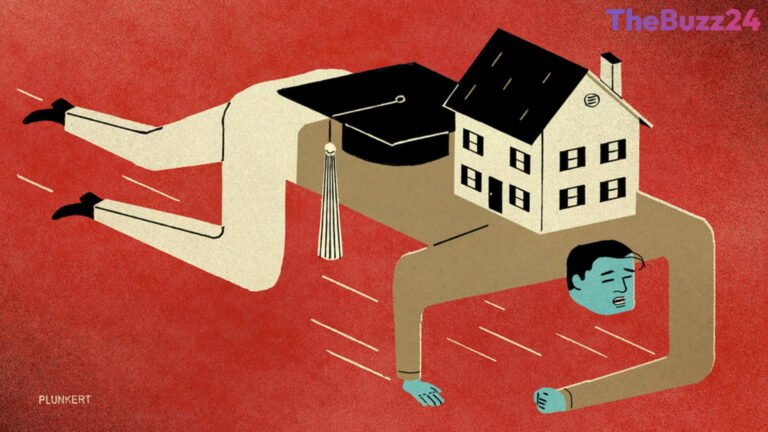
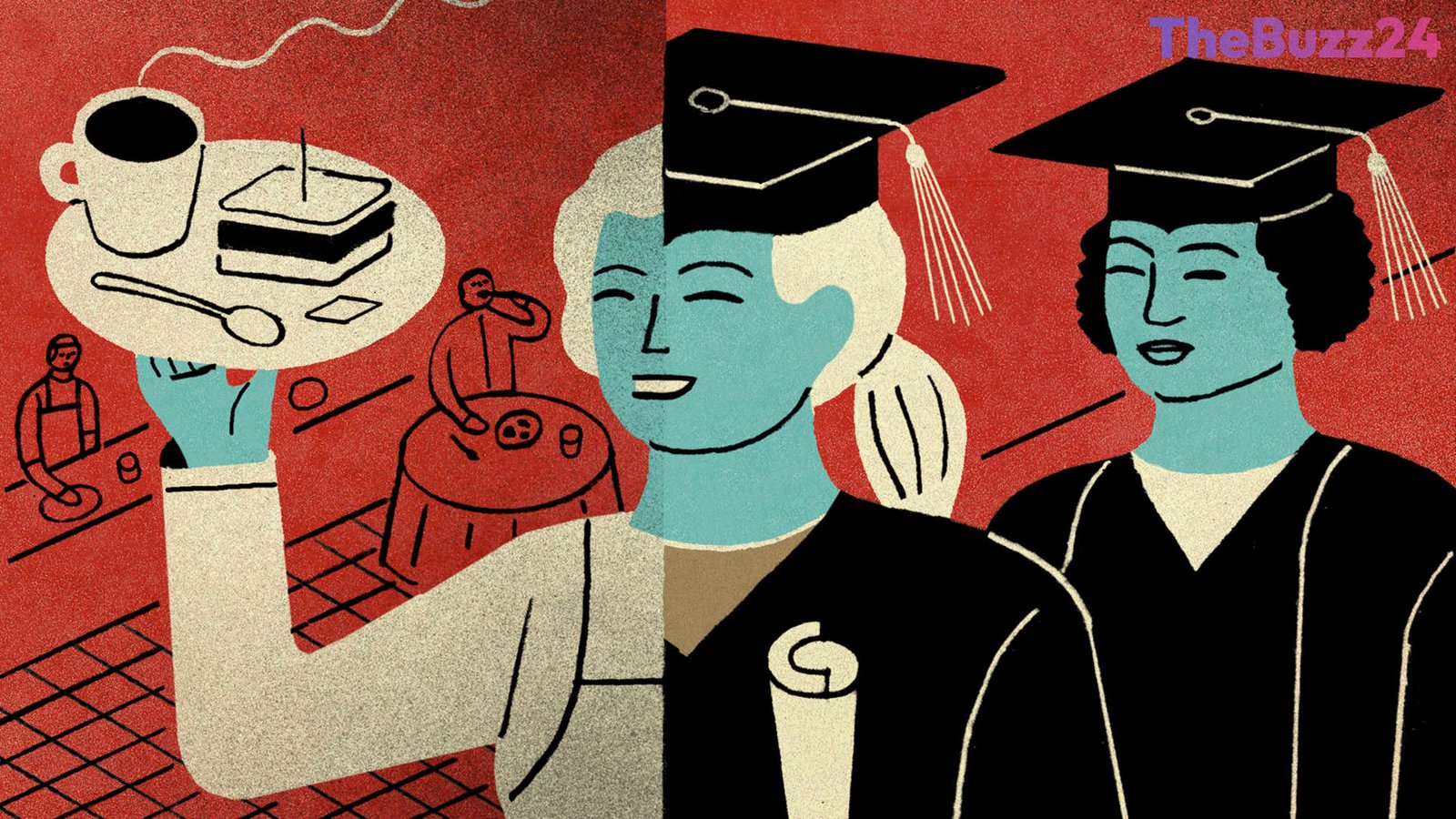
A generation ago, the path to a college degree often involved a combination of financial aid and a part-time job, allowing many students to largely self-fund their education. Today, this approach is increasingly out of reach for most, as the cost of higher education has surged dramatically, transforming student loan debt into a formidable national concern.
Stephanie Thomas, a 49-year-old certified financial planner, navigated her own college journey over two decades ago with a manageable $20,000 in student loans, which she successfully paid off. However, when planning for her daughters’ education, she recognized the need for a far more strategic approach to curb debt and maximize the return on investment. Her youngest daughter, Ainsley, 16, is currently enrolled in college-level courses through a dual enrollment program in high school. This innovative strategy is set to provide Ainsley with an associate’s degree by the time she graduates high school, allowing her to enter a four-year institution as a junior and potentially halve her overall tuition costs.
The proactive measures taken by families like the Thomases reflect a broader national trend driven by escalating tuition fees. Between 1995 and 2025, inflation-adjusted tuition and fees at private four-year institutions climbed by 74%, while public four-year colleges saw an astounding 101% increase. This surge has pushed outstanding student debt to an alarming $1.85 trillion, encompassing both federal and private loans. Data indicates that parent income and savings now cover less than 40% of college expenses, with student income contributing only 10%, leaving scholarships and grants (27%) and student loans (the majority of the remainder) to bridge the significant gap.
The growing debt burden has made repayment increasingly challenging, with federal student loan defaults rising by approximately 50% over the last decade. This financial strain, coupled with an uncertain early-career job market—partially influenced by the rapid advancement of artificial intelligence leading to a 35% drop in entry-level job postings since January 2023—is prompting many families to question the traditional value proposition of a four-year degree. Consequently, there’s a noticeable shift towards alternative pathways, with undergraduate certificate and associate degree programs experiencing significant enrollment growth, particularly at community colleges.
Despite these formidable challenges, the aspiration for higher education remains strong among American families, who largely view a bachelor’s degree as a crucial stepping stone for upward mobility. The core question has shifted from whether college is a worthwhile investment to whether it is worth its current cost. For families like Stephanie Thomas’s, strategic planning and innovative educational pathways are proving essential to make higher education both accessible and financially sustainable in an evolving economic landscape.
Key Takeaways
- College tuition has dramatically increased over the past decades, making traditional self-funding methods less feasible and leading to a national student debt crisis of $1.85 trillion.
- Families are adopting strategic approaches like dual enrollment, 529 plans, and pursuing associate degrees or certificates to significantly reduce the overall cost and debt burden of higher education.
- Despite rising costs and an uncertain job market influenced by AI, a bachelor's degree is still widely viewed as a valuable pathway to upward mobility, though its affordability is a growing concern.
Editor’s Analysis & Impact
The escalating cost of higher education presents a significant challenge for both families and the broader economy. This trend is driving a fundamental shift in the education industry, pushing institutions to justify their value proposition and potentially innovate their delivery models. We can anticipate a continued rise in demand for more affordable, flexible, and career-focused educational pathways, such as vocational training, certificate programs, and community college associate degrees. The impact of AI on entry-level job markets further complicates the return on investment for traditional degrees, compelling students to be more strategic about their fields of study. Policymakers will face increasing pressure to address student loan debt and explore new funding mechanisms for higher education, while financial planners will play a crucial role in guiding families through complex college savings and financing decisions. This dynamic environment suggests a future where diverse educational routes gain prominence, challenging the long-held ‘gold standard’ of a four-year degree.
Frequently Asked Questions
Q: How much has college tuition increased over the past few decades?
A: Between 1995 and 2025, inflation-adjusted tuition and fees at private four-year institutions climbed by 74%, while public four-year colleges saw an astounding 101% increase.
Q: What strategies are families using to reduce college costs?
A: Families are increasingly utilizing strategies such as dual enrollment in high school, saving diligently in 529 college savings plans, and considering associate degrees or certificate programs as cost-effective alternatives to traditional four-year degrees.
Q: What is the current state of student loan debt in the U.S.?
A: Outstanding student debt in the U.S. has reached approximately $1.85 trillion, with nearly half of families borrowing money for college, and default rates on federal student loans increasing by about 50% over the last decade.
AI Disclosure: This article is based on verified data and official reports. Our Team and AI have cross-referenced every financial detail with primary sources to ensure total accuracy.
More from this Category