Escalating Violence Disrupts West Bank Olive Harvest
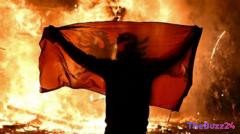
The annual olive harvest in the West Bank has been marred by a surge in violent confrontations, as groups of settlers have targeted Palestinian farmers and activists in their fields. In a recent incident, approximately a dozen individuals descended from a nearby outpost, setting fire to olive trees and utilizing slingshots to hurl stones at those working in the groves. The destruction of these trees represents a significant blow to the local agricultural community, which relies heavily on the harvest for both economic sustenance and cultural heritage.
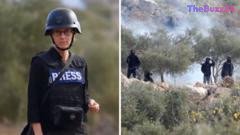
The violence has extended beyond the destruction of property, resulting in physical assaults on those present at the scene. A photojournalist documenting the events was hospitalized after being attacked, reporting that she was knocked to the ground and kicked during the altercation. This incident underscores the increasingly volatile environment surrounding the harvest season, which has become a flashpoint for regional tensions.
International observers have expressed grave concern regarding the trajectory of these hostilities. Data indicates that the frequency of settler-led attacks over the past two weeks has already surpassed the total number of incidents recorded during the entire harvest season of the previous year. According to reports from the United Nations, the current levels of settler violence in the region have reached an unprecedented high, signaling a dangerous escalation in the ongoing conflict between Israeli settlers and Palestinian residents.
Key Takeaways
- Settler violence during the West Bank olive harvest has reached record levels, exceeding the total number of incidents from the previous year in just two weeks.
- The attacks involve the destruction of agricultural property, including the burning of olive trees, and direct physical assaults on farmers, activists, and journalists.
- The United Nations has officially flagged the current season as experiencing an all-time high in violent confrontations between settlers and Palestinians.
Editor’s Analysis & Impact
The surge in violence during the olive harvest is a microcosm of the deteriorating security situation in the West Bank. Beyond the immediate humanitarian impact, the destruction of olive groves—a vital economic asset for Palestinian families—threatens to deepen the cycle of poverty and resentment in the region. The targeting of journalists and international observers suggests a breakdown in the ability to document and report on these tensions, which further complicates diplomatic efforts to de-escalate the conflict. Looking ahead, the inability of local authorities to curb these attacks risks creating a power vacuum that could lead to more widespread civil unrest. The international community will likely face increased pressure to intervene as the economic and human rights costs of these seasonal disruptions continue to mount, potentially destabilizing the broader region further.
Frequently Asked Questions
Q: Why is the olive harvest a point of conflict in the West Bank?
A: The olive harvest is a critical economic and cultural event for Palestinians. Settler attacks during this time are often aimed at disrupting the livelihoods of Palestinian farmers and asserting control over contested land.
Q: What is the current trend regarding settler violence in the region?
A: According to the United Nations, settler violence has reached an all-time high this year, with the number of attacks in the first two weeks of the current harvest season already exceeding the total number of incidents reported throughout the entire season last year.
AI Disclosure: This article is based on verified data and official reports. Our Team and AI have cross-referenced every financial detail with primary sources to ensure total accuracy.
More from this Category