White House AI Task Force Mobilizes Amid Growing Espionage Threats Targeting U.S. Tech Leaders
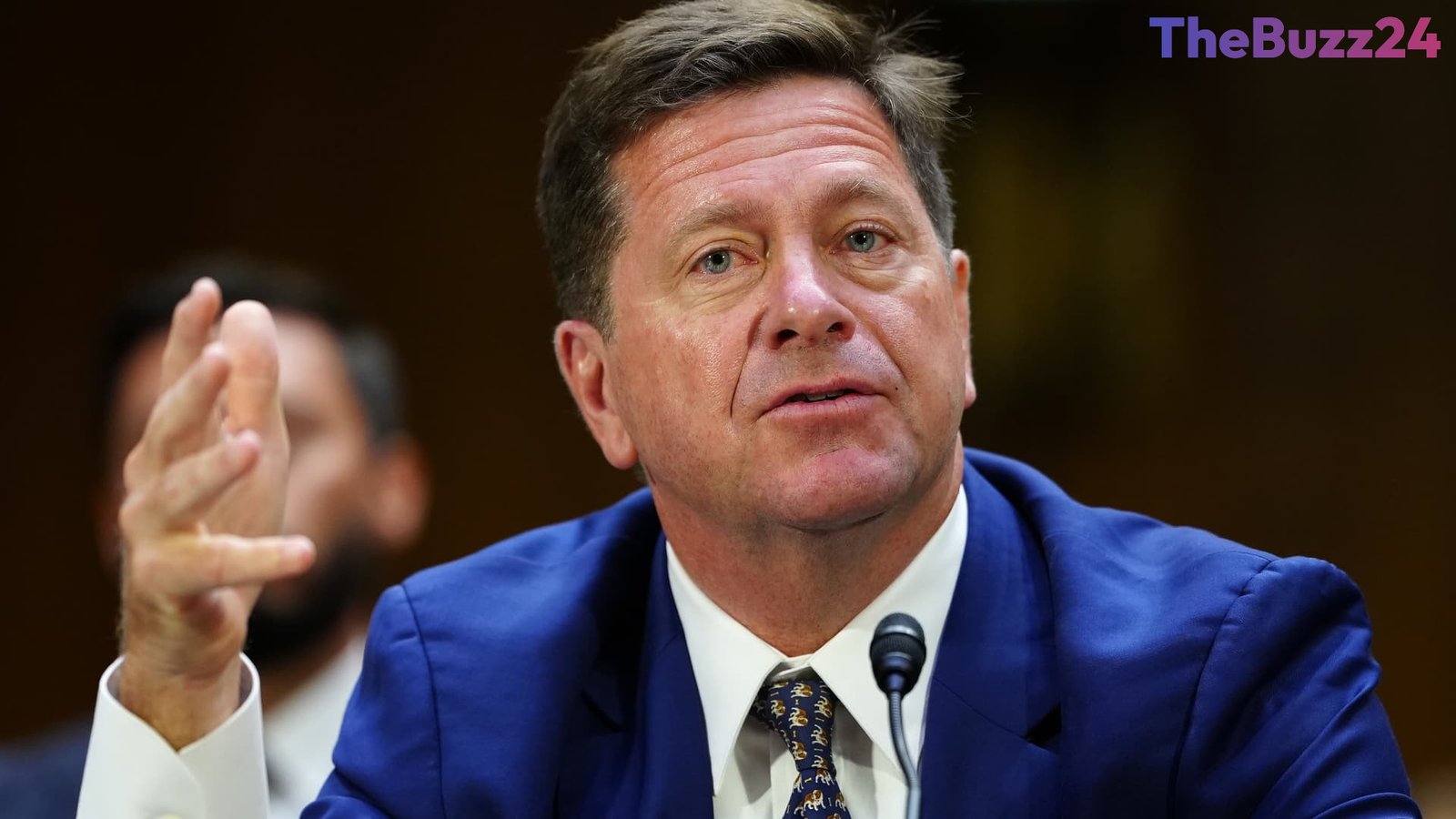
American enterprises and federal agencies must maintain heightened vigilance against foreign espionage as international competition intensifies for dominance in artificial intelligence, Director of National Intelligence Jay Clayton warned. Addressing recent security breaches in the sector, Clayton emphasized that the rapid rise of AI significantly magnifies existing vulnerabilities across U.S. digital infrastructure, spanning essential public systems, telecommunications, and national defense networks.
The warning follows federal charges filed against Abdulrahman Alfozan, a former OpenAI employee accused of secretly installing an audio recording device inside an executive conference room at the company. Prosecutors revealed that Alfozan booked one-way travel to Saudi Arabia for himself and family members prior to his arrest. While Alfozan currently faces charges for the unlawful interception of oral communications rather than direct espionage, intelligence officials view the breach as an alarming illustration of the aggressive measures rival actors are willing to deploy to acquire proprietary technological insights.
In response to these mounting vulnerabilities, the newly formed White House AI task force held its inaugural strategy session to advance protective frameworks outlined in a recent national security accord between the Trump administration and prominent industry leaders. To systematically address these vulnerabilities, the task force launched three specialized working groups focused on rapid reporting and threat response, securing critical infrastructure in partnership with private firms, and enforcing accountability through law enforcement coordination.
Clayton underscored that preserving the nation’s technological superiority requires proactive hardening of private and public networks against sophisticated foreign competitors. With nations such as China, Russia, Iran, and North Korea aggressively expanding their sovereign computational and algorithmic capabilities, federal officials stress that safeguarding domestic intellectual property is now a paramount objective of national intelligence strategy.
Key Takeaways
- Director of National Intelligence Jay Clayton warned that corporate and state-sponsored espionage pose immediate threats to American AI leadership.
- The alert follows federal charges against former OpenAI employee Abdulrahman Alfozan for allegedly bugging an executive conference room.
- A newly launched White House AI task force has created three dedicated subcommittees to protect critical infrastructure and coordinate with law enforcement.
Editor’s Analysis & Impact
The OpenAI conference room incident underscores a critical paradigm shift: advanced artificial intelligence assets are now regarded with the same strategic urgency as military hardware and state secrets. Leading commercial labs are serving as de facto national infrastructure, making them prime targets for insider threats, corporate theft, and foreign intelligence operations. As proprietary model architectures, training weights, and executive roadmaps become critical national assets, tech corporations can no longer treat cybersecurity and counterintelligence as routine internal HR matters. Moving forward, tech leaders should anticipate increased federal scrutiny, enhanced background vetting for sensitive roles, and mandatory security compliance protocols bridging Silicon Valley and national defense agencies.
Frequently Asked Questions
Q: What triggered the recent federal warning regarding AI espionage?
A: The warning was spotlighted following the arrest of former OpenAI staffer Abdulrahman Alfozan, who was federally charged with secretly placing an audio bug inside an executive conference room before attempting to leave the country.
Q: What measures is the White House AI task force implementing?
A: The task force has organized three dedicated subcommittees focusing on incident reporting and response, public-private infrastructure defense, and law enforcement accountability.
Q: Which foreign nations are identified as primary technological rivals in the AI race?
A: Intelligence leadership identified China, Russia, Iran, and North Korea as major foreign adversaries possessing advanced technical capabilities that threaten American market dominance.
AI Disclosure: This article is based on verified data and official reports. Our Team and AI have cross-referenced every financial detail with primary sources to ensure total accuracy.
More from this Category