President Trump Invokes National Interest Waiver to Suspend Key Russia Sanctions
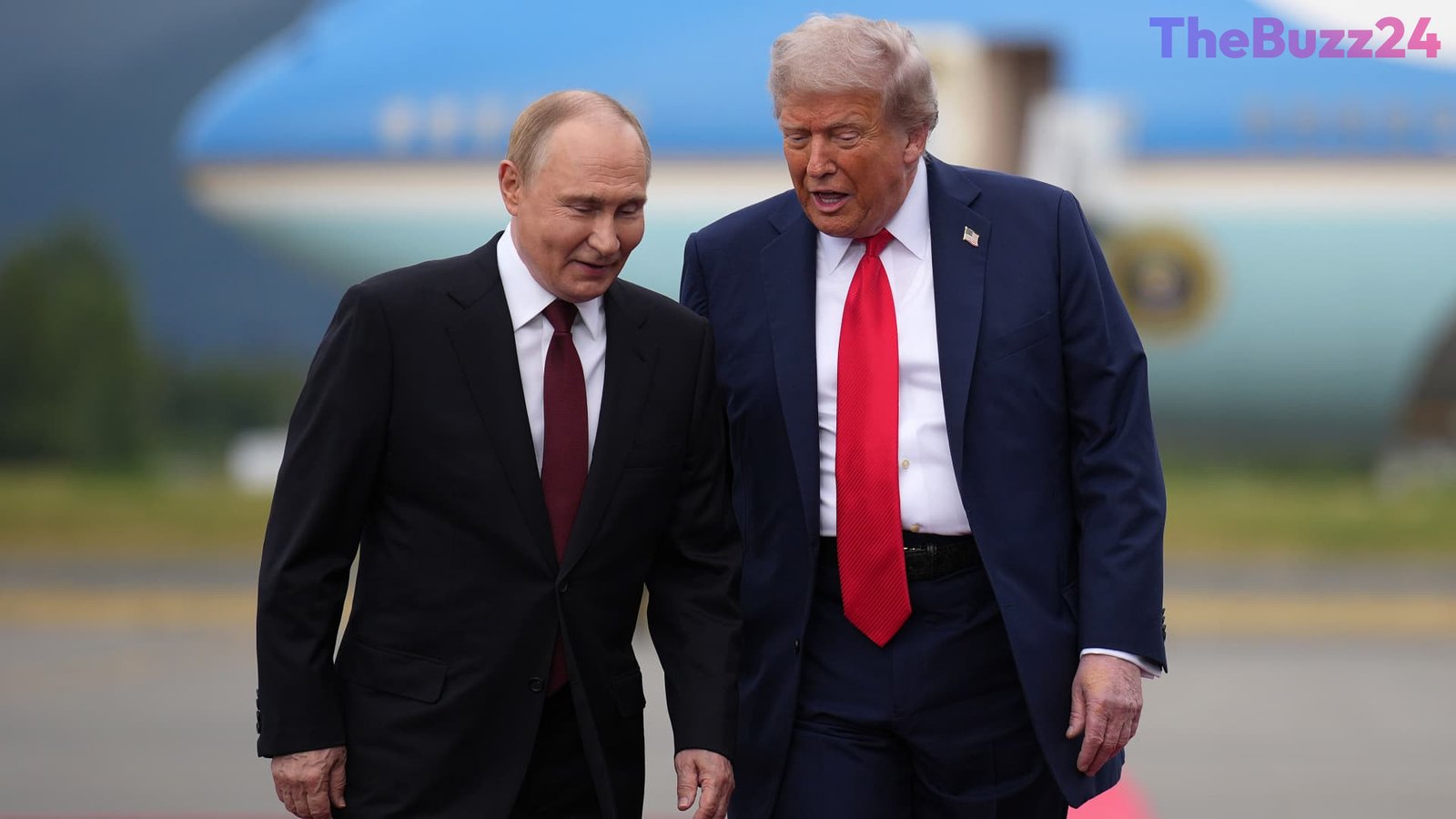
President Donald Trump has issued an executive order utilizing a national-interest waiver to suspend significant portions of the Lindsey O. Graham Sanctioning Russia and Iran Act of 2026. The decision, finalized just days before the law’s mandatory implementation deadline, halts planned tariff increases of up to 500% on Russian goods and prevents the imposition of heavy duties on major global purchasers of Russian energy, such as China and India.
The legislation, which was signed into law in September, was designed to cripple Russia’s economic capacity to sustain its ongoing military campaign in Ukraine. By invoking the waiver, the administration has effectively neutralized the act’s most aggressive trade penalties. While the order maintains existing sanctions previously established under earlier executive mandates, it represents a significant pivot in U.S. foreign policy strategy regarding the conflict.
The administration’s move follows a recent decision to temporarily ease sanctions on Russian diesel exports, a policy shift aimed at mitigating domestic fuel supply concerns ahead of the upcoming midterm elections. This series of actions has sparked intense debate, with supporters of the waiver citing the need for economic stability, while critics argue it undermines international efforts to isolate the Russian economy and weakens the collective stance of U.S. allies.
Reaction to the waiver has been sharply divided. Russian officials have characterized the move as a historic step toward renewed economic dialogue. Conversely, legislative opponents, including co-authors of the original bill, have condemned the decision as a betrayal of democratic interests. Meanwhile, international leaders, including Ukrainian President Volodymyr Zelenskyy, have expressed concern that these waivers could establish a precedent for the systematic dismantling of broader sanctions regimes targeting Russia’s financial and industrial sectors.
Key Takeaways
- President Trump invoked a national-interest waiver to block 500% tariffs on Russian goods and penalties on major Russian energy buyers.
- The waiver was issued shortly before the Graham Act's implementation deadline, following a previous easing of sanctions on Russian diesel exports.
- The decision has drawn praise from Russian officials but faced severe backlash from U.S. lawmakers and the Ukrainian government over concerns regarding the erosion of sanctions pressure.
Editor’s Analysis & Impact
The decision to waive key provisions of the Graham Act signals a significant shift in the Trump administration’s approach to the Russia-Ukraine conflict, prioritizing domestic economic stability and energy prices over the geopolitical objective of total economic isolation of Russia. By decoupling energy policy from the broader sanctions framework, the administration is attempting to insulate the U.S. economy from the inflationary pressures of the war. However, this move risks fracturing the unified front maintained by Western allies and may embolden Russia by signaling a willingness to negotiate sanctions relief. The long-term implication is a potential weakening of the ‘sanctions-as-deterrence’ model, as global markets may now view U.S. economic pressure as temporary and subject to domestic political cycles rather than a fixed strategic commitment.
Frequently Asked Questions
Q: What does the national-interest waiver do?
A: The waiver allows the President to bypass specific requirements of the Graham Act, specifically preventing the implementation of 500% tariffs on Russian goods and penalties on countries that purchase Russian crude oil and gas.
Q: Why did the administration choose to waive these sanctions?
A: The administration cited the national interest, with the move appearing to be influenced by a desire to stabilize domestic fuel prices and supply chains ahead of the November midterm elections.
AI Disclosure: This article is based on verified data and official reports. Our Team and AI have cross-referenced every financial detail with primary sources to ensure total accuracy.
More from this Category