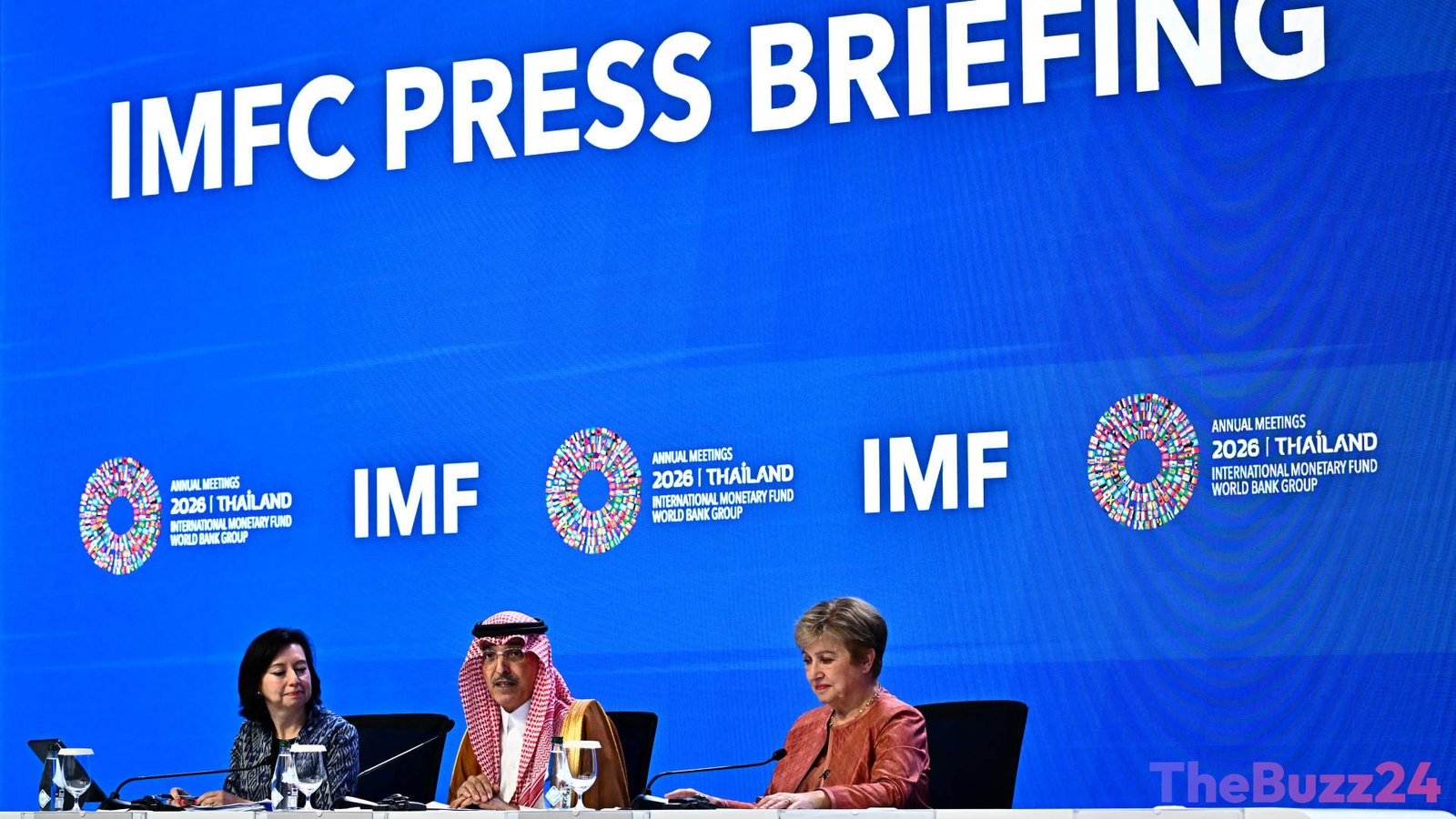
Global Economic Resilience Tested as Geopolitical Fractures Spark IMF Walkout
The global financial system continues to demonstrate surprising endurance against systemic shocks, yet policymakers must guard against complacency amid escalating geopolitical friction and fragile trade routes, international financial leaders warned during the conclusion of high-level meetings in Bangkok.
The gathering of the International Monetary and Financial Committee (IMFC), the primary steering body of the International Monetary Fund, revealed deep geopolitical divisions when approximately half of the delegates staged a walkout as Russian Finance Minister Anton Siluanov addressed the assembly. Prominent European officials, including Bundesbank President Joachim Nagel and Bank of England Governor Andrew Bailey, joined counterparts from France, the Nordic states, and the Baltic nations in leaving the plenary hall to signal their unwavering opposition to the war in Ukraine.
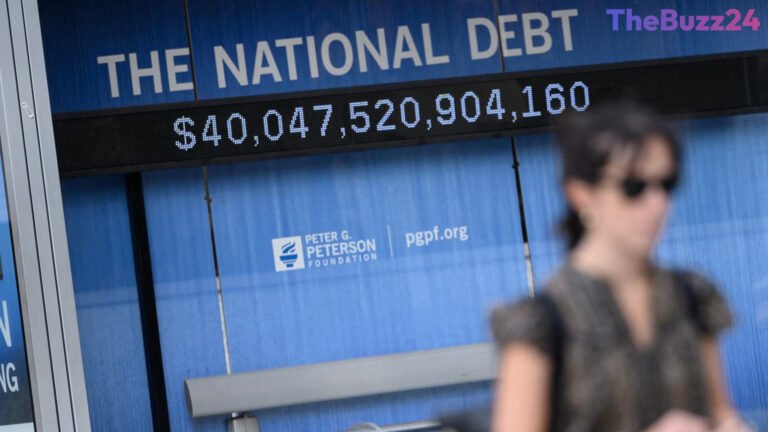
Despite the dramatic protest, Saudi Finance Minister Mohammed Al-Jadaan, who serves as the IMFC chair, emphasized that member nations managed to reach common ground on the official chair statement. Al-Jadaan stressed that while macroeconomic indicators reflect resilience, systemic vulnerabilities—ranging from elevated sovereign debt and food security concerns to rapid advancements in artificial intelligence—require fiscal discipline and sustained multilateral dialogue.
IMF Managing Director Kristalina Georgieva noted that anxiety is mounting among lower-income nations that risk being marginalized in high-tech supply chains and trade networks. While diverging national approaches have complicated joint communiqués since 2022, participants reaffirmed the urgent necessity of maintaining central bank independence, rebuilding national fiscal buffers, and preventing further fragmentation in global commerce.
Key Takeaways
- Top finance officials at the IMFC meeting affirmed global economic resilience while warning that rising debt, trade tensions, and conflict leave no room for complacency.
- Nearly half of attending delegates, primarily from European nations, walked out during an address by Russian Finance Minister Anton Siluanov.
- Despite intense geopolitical discord, the steering committee successfully agreed upon a unified chair statement urging fiscal discipline and multilateral cooperation.
Editor’s Analysis & Impact
The Bangkok meetings highlight the increasingly precarious balance required in global economic governance. While core macroeconomic fundamentals have outperformed pessimistic forecasts, the institutional consensus that has historically steadied international finance is under severe strain. The high-profile European walkout underscores how deeply geopolitical rifts now permeate economic summits. With international trade routes threatened and divergence widening between advanced economies and developing nations—particularly regarding emerging sectors like artificial intelligence—the risk of broader fragmentation is elevated. If multilateral institutions cannot insulate policy coordination from diplomatic paralysis, nations will find it considerably harder to orchestrate synchronized responses to future commodity price spikes, debt distress, or cross-border financial shocks.
Frequently Asked Questions
Q: Why did finance delegates walk out of the IMFC meeting?
A: Representatives from multiple European nations, including Germany, the United Kingdom, and France, walked out to express strong solidarity with Ukraine and protest Russia's ongoing military actions as the Russian finance minister began speaking.
Q: What was the core takeaway regarding the state of the global economy?
A: Officials concluded that the world economy has displayed significant resilience, but governments must actively rebuild fiscal buffers, protect vital public investments, and maintain central bank independence to prevent future instability.
Q: What primary risks were identified in the IMFC chair's statement?
A: The statement highlighted trade tensions, potential disruptions to critical trade corridors, volatile commodity and refined energy prices, high public debt burdens, and risks associated with rapid technological shifts.
AI Disclosure: This article is based on verified data and official reports. Our Team and AI have cross-referenced every financial detail with primary sources to ensure total accuracy.
More from this Category